 EN

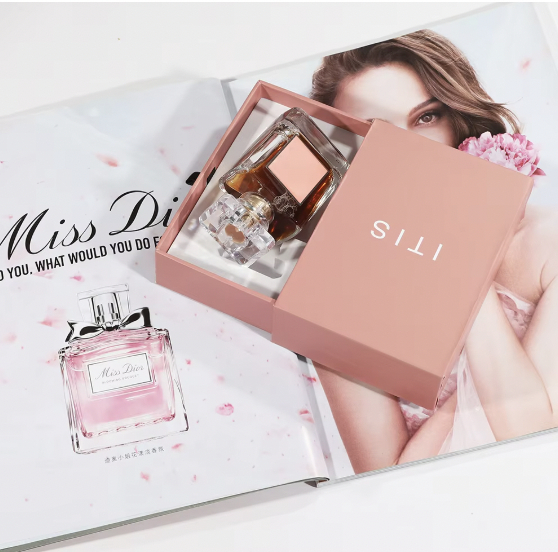
Introduction: The Quiet Revolution in Luxury Packaging
For decades, luxury was loud. Gold foil, embossed crests, and dense ornamentation signaled status from across the room. Today, the most coveted jewelry brands are moving in the opposite direction. They are choosing a minimalist box that whispers instead of shouts, and consumers are responding with remarkable enthusiasm. A minimalist box is not merely a plain carton. It is a deliberate design philosophy in which every element earns its place and nothing is added simply for decoration.
This shift matters for anyone in the packaging industry, from boutique jewelers to large-scale manufacturers. Understanding why restraint has become the default expression of modern luxury helps brands design packaging that feels contemporary, premium, and emotionally resonant. In this article, we explore the forces driving the trend, the psychology behind it, and the practical choices that make restrained design work at the highest level.
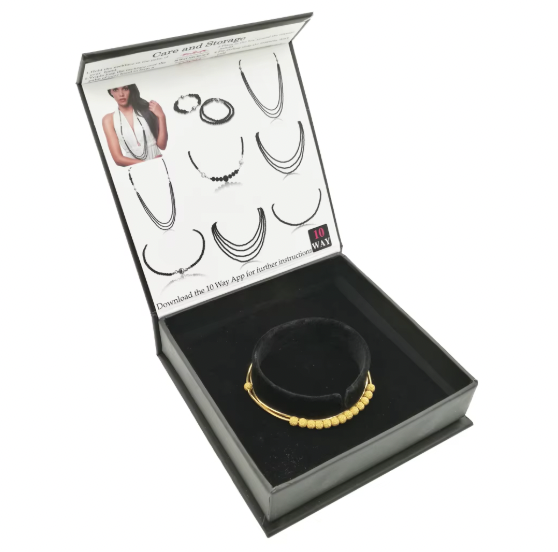
The Shift From Ornamentation to Restraint
The luxury market has always mirrored broader cultural values. In an age of information overload, visual noise, and constant advertising, restraint has become the new signal of confidence. A brand that strips away decoration is essentially saying that its product does not need to shout to be noticed. That confidence is exactly what a minimalist box communicates the moment a customer encounters it on a shelf or in a delivery parcel.
Consider the brands that have led this transition. They favor generous negative space, a single restrained typeface, and a palette of one or two colors. Their packaging feels calm, deliberate, and modern. When the package arrives, the unboxing experience becomes meditative rather than overwhelming. The customer is invited to slow down, and that pause creates a stronger emotional connection than any amount of glitter ever could. Restraint, in short, is now a competitive advantage.
Why Minimalism Signals Premium Quality
There is a practical reason minimalism reads as premium: it is harder to fake. Ornate decoration can disguise mediocre materials, but a clean surface exposes every flaw. When a minimalist box is executed well, it proves that the manufacturer controls tolerances, understands paper grain, and can achieve a perfect fold. Imperfection has nowhere to hide.
This is where craftsmanship becomes visible. Crisp corners, a seamless magnetic closure, and a flawlessly aligned logo all communicate quality without a single embellishment. The packaging effectively becomes a quality certificate. For jewelry brands whose products are judged on fine detail, aligning the packaging with that same standard of precision is a powerful statement of shared values. Customers may not articulate it consciously, but they feel the difference in their hands.
The Psychology of Luxury: Space, Calm, and Anticipation
The human brain responds to scarcity and space. In design terms, generous white space creates a sense of exclusivity and focus. A minimalist box leverages this principle by directing the eye to a single hero element: the logo, a delicate monogram, or the product itself through a window or an opening lid.
Anticipation is equally important. Luxury is as much about the moment before revelation as it is about the product. A minimalist box builds that anticipation through restraint. The lid lifts slowly, the interior is cleanly arranged, and the jewelry sits in a precisely fitted insert. Nothing distracts and everything supports the moment. This controlled reveal is precisely what makes the experience feel expensive and intentional rather than rushed and transactional.
Sustainability: A Core Driver of the Trend
Minimalism and sustainability are natural allies. Reducing ornamentation often means reducing material use, eliminating unnecessary layers, and choosing recyclable or biodegradable substrates. Brands that adopt a minimalist box frequently find that their sustainability story writes itself, because the design is inherently lighter and cleaner.
Consumers, especially younger buyers, are increasingly skeptical of greenwashing. A genuinely reduced package, one that uses less ink, less lamination, and fewer inserts, is a tangible commitment rather than a slogan. The minimalist box therefore doubles as an environmental statement. When the packaging is also FSC-certified or made from recycled board, the authenticity of that commitment becomes even more credible, and customers notice. Sustainability and beauty, once treated as a trade-off, are now mutually reinforcing.
Retail and E-Commerce: A Unifying Aesthetic
Minimalist design solves a real commercial problem: consistency. A single clean aesthetic translates beautifully across a physical boutique shelf, an Instagram grid, and an e-commerce unboxing video. A minimalist box looks intentional in every context, which reduces the need for channel-specific packaging and streamlines production.
For growing brands, this flexibility is invaluable. The same minimalist box can serve a flagship store, an online order, and a wholesale account without ever looking out of place. That uniformity strengthens brand recall. Over time, customers begin to recognize the brand by the shape and feel of the package alone, a level of recognition that heavily ornamented packaging rarely achieves. In a crowded market, that instant identification is worth a great deal.
Material and Finish Choices That Define Modern Luxury
A successful design depends on material selection. Soft-touch lamination, uncoated textured paper, and matte finishes all contribute to a tactile impression of quality. These surfaces feel refined in the hand and photograph beautifully, which matters in a market driven by visual sharing.
Rigid box construction with a snug magnetic closure is another hallmark. The weight and resistance of the lid instantly communicate value. A minimalist box made from sturdy greyboard wrapped in premium specialty paper can rival the perceived luxury of far more elaborate designs, often at a comparable or lower cost. Finishes such as spot UV, deboss, or subtle hot-stamping add depth without introducing visual clutter, ensuring the minimalist box remains clean while still feeling considered.
Customization Without Clutter
Critics sometimes assume minimalism limits creativity. In reality, it sharpens it. A minimalist box offers a disciplined canvas where small choices carry great weight: the exact shade of cream, the spacing of a logotype, the texture of the wrap. Customization shifts from asking how much can be added to asking how perfectly something can be refined.
Brands can still express personality. A jewelry label might use a deep charcoal version for a unisex collection and a warm off-white version for bridal pieces. Foil accents in rose gold or brushed silver can nod to the metals inside. The constraint of minimalism forces designers to be intentional, and intentionality is precisely what luxury customers are paying for.
How to Design Packaging That Stands Out
Standing out through restraint requires strategy. First, define a limited palette and typographic system, then apply them with absolute consistency. Second, invest in structure: a rigid minimalist box with a precise closure will outperform a flimsy one every time. Third, consider the interior as carefully as the exterior, because a clean insert and a soft lining complete the experience.
It also helps to test physical prototypes rather than relying on digital mockups. Paper weight, wrap tension, and hinge behavior all affect how a minimalist box feels. Working with an experienced packaging partner such as ITIS Packaging allows brands to prototype quickly, refine tolerances, and scale production without losing the precision that makes minimalism work.
Where Minimalism Meets Jewelry Specifically
Jewelry is uniquely suited to minimal packaging. The product is small, precious, and reflective, so it benefits from a quiet stage rather than a busy one. A minimalist box frames the piece, allowing light and metal to become the focal points. Contrast between a matte exterior and a soft, light interior also makes gemstones sparkle more vividly.
For rings, necklaces, and fine bracelets, this framing effect can genuinely improve perceived value. A minimalist box with a well-engineered insert protects the piece while presenting it like a museum object. The result is packaging that feels curated rather than mass-produced, exactly the impression a modern luxury jeweler wants to leave.
The Future of Luxury Packaging
The trend shows no sign of reversing. As brands compete on authenticity and experience rather than sheer display, the minimalist box will continue to expand from jewelry into fragrance, skincare, and gifting. Advances in sustainable materials and digital printing will make it possible to achieve even finer detail with even less material.
Forward-looking brands are already integrating subtle personalization, such as printed names or QR-linked care instructions, into this clean format. These additions respect the aesthetic while adding utility. The through-line is clear: less, executed better, will continue to win.
Frequently Asked Questions
Is minimalist packaging only suitable for high-end brands? Not at all. Because clean design reduces material and finishing costs, it is equally effective for mid-market brands that want to look premium without inflating their packaging budget.
Can minimalist packaging still be customized? Yes. Customization simply shifts toward material, structure, and subtle finishing rather than heavy decoration. Debossing, textured wraps, and custom inserts all preserve the clean look.
How does minimalism affect shelf visibility? A restrained design often stands out more, because it contrasts with busy competitors. A single strong color and a clean logo can be more memorable than a crowded layout.
Conclusion
The dominance of this approach reflects a deeper cultural preference for authenticity, sustainability, and quiet confidence. Jewelry brands that embrace it align themselves with how modern luxury is actually experienced, through restraint, craftsmanship, and a sense of calm. By investing in structure, materials, and precise execution, brands can turn a simple minimalist box into one of their most powerful brand assets. The packaging that says the least, it turns out, often says the most, and a well-made minimalist box proves that elegance and restraint are the same idea expressed twice.
To explore custom jewelry and luxury packaging options, visit ITIS Packaging or discover our personal care packaging solutions.
Table of Contents
- Introduction: The Quiet Revolution in Luxury Packaging
- The Shift From Ornamentation to Restraint
- Why Minimalism Signals Premium Quality
- The Psychology of Luxury: Space, Calm, and Anticipation
- Sustainability: A Core Driver of the Trend
- Retail and E-Commerce: A Unifying Aesthetic
- Material and Finish Choices That Define Modern Luxury
- Customization Without Clutter
- How to Design Packaging That Stands Out
- Where Minimalism Meets Jewelry Specifically
- The Future of Luxury Packaging
- Frequently Asked Questions
- Conclusion

