 EN

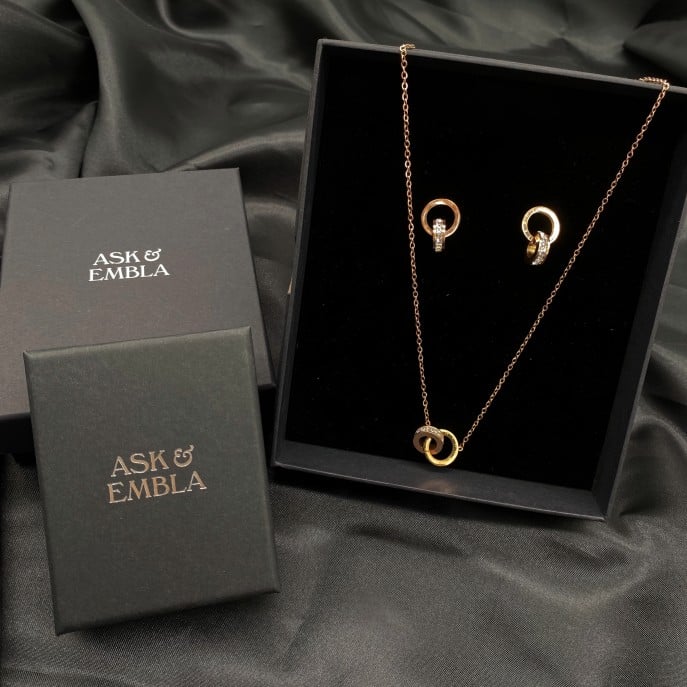
There is nothing more disappointing for a jewellery buyer than opening a beautifully presented box to find the silver inside already dulled with a yellow-black film. Tarnish is the quiet enemy of every silver jewellery brand, and it does not wait politely for a customer to start wearing the piece — it begins the moment the metal meets the air. The fix is not better polishing; it is better packaging. Specialized anti-oxidation paper has become one of the most valuable tools in premium jewellery packaging, and understanding how it works lets a brand protect its product from the factory all the way to the customer's hands.
A coating applied at the end of the production line will not survive a global supply chain. This is where an anti-oxidation packaging system makes a measurable difference, engineering the box and the protective liner as one product rather than two separate purchases.
Why Silver Tarnishes at All
Silver is a relatively reactive metal. When it is exposed to sulfur compounds in the air — commonly hydrogen sulfide from industrial pollution, certain foods, rubber, wool, and even some adhesives — it forms silver sulfide on the surface. That compound is the dark film we call tarnish.
Three environmental factors accelerate the process:
- Sulfur compounds in the air, the direct chemical cause of tarnish.
- Humidity, which speeds up the reaction and helps sulfur compounds settle on the surface.
- Temperature swings and light, which increase the rate of chemical activity and can worsen discolouration.
Because these factors are present in warehouses, shipping containers, and retail displays alike, tarnish prevention has to work passively and continuously. A coating applied at the factory will not survive a journey through multiple climates; an anti-oxidation packaging system can.
How Anti-Oxidation Paper Works
This material — often called anti-tarnish paper or silver-protective paper — is engineered to interrupt the chemistry that produces silver sulfide. Rather than sealing the metal hermetically, which is impractical for retail, the paper actively manages the local environment inside the packaging.
The main mechanisms include:
- Sulfur absorption. The paper is treated with substances that capture sulfur-bearing gases before they can reach the silver surface, lowering the concentration of the reactive compound inside the box.
- Active agents in the liner. Some formulations incorporate activated carbon or copper-based compounds that react preferentially with sulfur, acting as a sacrificial barrier that protects the jewellery.
- Moisture buffering. By managing humidity in the enclosed space, the paper slows the reaction rate that drives tarnishing.
- Physical separation. The paper prevents direct contact between the silver and packaging surfaces that may themselves release sulfur, such as certain papers, foams, and rubbers.
Used together, these mechanisms keep a piece bright for far longer than unprotected storage, which is exactly what a premium brand needs during transit, warehousing, and display. Protective layers are built directly into the box so the protection travels with the product.
Matching the Anti-Oxidation Format to the Product
Not every solution suits every product, and the differences matter. The right anti-oxidation format depends on how the jewellery is presented and how long it must stay protected.
Protective pouches. Small silver pieces — rings, earrings, chains — are often placed in an anti-oxidation pouch that encloses the item tightly. Pouches offer strong local protection and are simple to add to a jewellery box.
Box liners and inserts. Larger pieces or presentation-led packaging benefit from anti-oxidation paper laminated into the box interior or formed into inserts, keeping the protection invisible to the customer while surrounding the piece on all sides.
Tissue and wrapping. Wrapping a piece in anti-oxidation tissue adds a layer of protection during transport and can be branded for an elevated unboxing.
Interleaving sheets. For trays and display cases holding many pieces, interleaving sheets separate items and reduce the spread of sulfur between them.
A well-designed jewellery package often combines two or three anti-oxidation formats. The right combination suits the piece and the presentation style, so protection is engineered around the product rather than added afterwards — and several options can be compared on a physical sample before a brand commits.
Material Science: What Good Anti-Oxidation Paper Requires
Performance comes down to careful material engineering. Several properties determine whether the material will actually protect silver over a realistic storage period.
Absorption capacity. The anti-oxidation treatment must be able to capture enough sulfur over the product's intended life. Capacity is a function of the active chemistry and the paper's structure, not simply its thickness.
Barrier performance. An anti-oxidation liner should limit the ingress of external air and moisture while still functioning as a pleasant, printable surface. This balance is a materials trade-off rather than a marketing claim, and the liner's capacity is matched to the product's expected shelf life.
Neutral, non-abrasive surface. The paper must be pH-compatible with silver and gentle on delicate surfaces. An abrasive or chemically aggressive anti-oxidation liner can do more harm than the tarnish it was meant to prevent.
Non-staining, low-residue formulation. A protective liner must not leave marks on the metal, the stones, or the surrounding velvet. This is one of the most important quality criteria for luxury packaging.
Compatibility with adjacent materials. Velvet, satin, foam, leather, and adhesives all interact with the enclosed environment. A liner that works well alone may behave differently when combined with a foam insert, which is precisely the kind of interaction to test before a design is approved.
Designing the Whole Package, Not Just the Liner
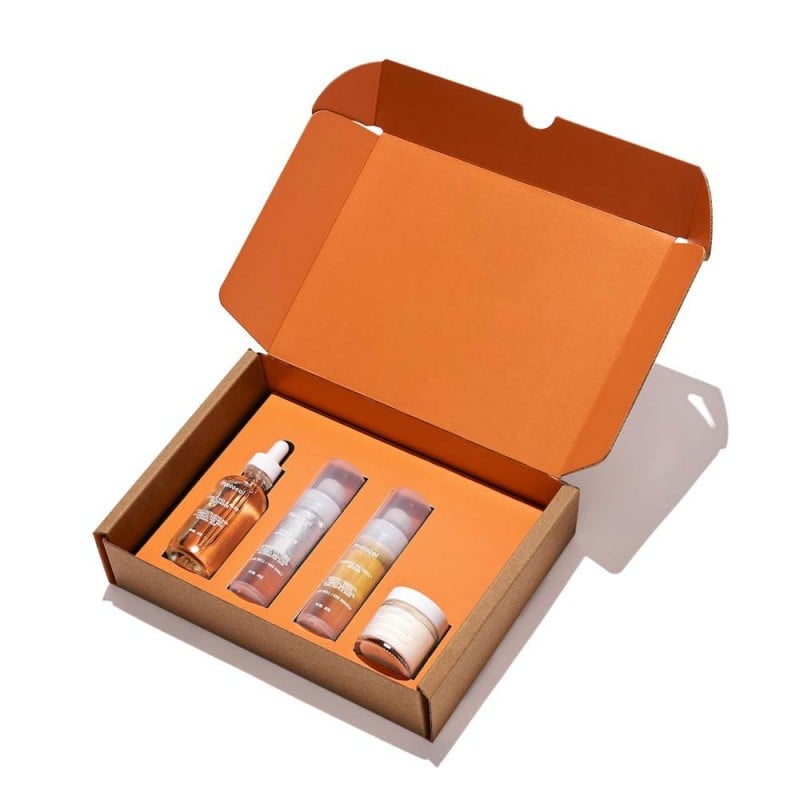
Anti-oxidation paper reaches its full potential when the entire package is designed around protection. Several design choices reinforce the chemistry:
- Minimise internal air volume. A tighter-fitting box means less air to manage and less sulfur available to react.
- Avoid sulfur-releasing components. Rubber-based foams, certain adhesives, and some cheaper papers can actively contribute to tarnishing, so material selection matters.
- Use enclosed presentation. A pouch or a lined box interior encloses the piece more effectively than an open tray.
- Seal during storage and transit. Keeping the box closed reduces air exchange and preserves the protection until the customer opens it.
For brands selling internationally, this matters even more. A piece crossing multiple climates — a humid port, a dry warehouse, an air-conditioned boutique — experiences repeated environmental shifts. Packaging that manages moisture and sulfur inside the box protects the product through all of it, which is why the whole system, not just the paper, is designed together from the first prototype.
Where Anti-Oxidation Protection Fits the Range
Protective packaging integrates naturally with premium jewellery presentation. A Luxury Packaging Box can carry a protective liner and insert, giving the piece continuous protection from the moment it is packed. A Holiday Gift Box can pair a festive exterior with a protective interior, so a gift arrives looking as impressive as it was chosen. Complementary Paper Bags & Accessories can complete the retail experience with coordinated wrapping.
Because design, material selection, printing, and finishing are handled under one roof, the protective liner and the presentation box are engineered as a single product — and that integration is what keeps quality consistent across a run.
Quality Control and Scale
Protective packaging is only valuable if the anti-oxidation protection is consistent across an entire production run. A liner that performs well in a sample but varies batch to batch will leave some pieces exposed.
Automated production lines, craftsmen working to tight tolerances, and photo-and-video documentation at every procedure let clients verify the output. That level of process control supports 99.7% on-time delivery across more than 120 countries — important for jewellery brands that ship to multiple markets and cannot afford unprotected stock sitting in transit.
Speed matters too, because a jewellery collection often launches on a tight calendar. Samples are produced within 3 working days, and production runs on a volume-based schedule: 12 working days for 1K–10K pcs, 12–15 working days for 10K–50K pcs, and 15–20 working days for larger orders. A brand can therefore introduce protective packaging without delaying a launch.
Common Mistakes That Let Silver Tarnish
Even brands that invest in anti-oxidation paper sometimes undermine the result:
- Mixing protected and unprotected items in the same box, allowing tarnish to spread.
- Using sulfur-releasing foams or adhesives alongside the protective liner.
- Leaving excess air volume inside the package, which gives sulfur more room to react.
- Storing boxes open in a humid warehouse, where the liner's capacity is consumed before sale.
- Choosing presentation over protection, prioritising a striking interior while ignoring the chemistry.
Discussing the whole package early avoids each of these pitfalls, because protection is designed in rather than patched on, and sulfur-releasing materials are flagged during material selection — when changing them is still inexpensive.
Frequently Asked Questions
How long does the paper protect silver? Duration depends on the formulation, the enclosure, and the storage environment. The appropriate specification is matched to the intended storage and transit period.
Will the paper affect the appearance of the jewellery? A correctly specified, non-staining liner is designed to be inert with respect to the metal and stones. That is why sample validation is essential, and samples are available within 3 working days.
Can protective liners be printed with branding? Yes. Protective liners and tissue can carry brand marks, combining presentation with protection. Artwork is accepted in AI, PDF, CDR, PSD, and EPS formats.
Is protective packaging suitable for wholesale volumes? It is, and it becomes more valuable at scale, because stock spends longer in warehouses and in transit. Every project is quoted against its own specification and delivered reliably to more than 120 countries.
The Bottom Line
Tarnish is a chemistry problem, and chemistry responds to good packaging design. Anti-oxidation paper keeps silver bright by capturing sulfur, buffering moisture, and separating the metal from reactive materials — quietly preserving the shine that customers paid for. But it only performs when it is matched to the product, the presentation, and the supply chain, and when the whole package is engineered around protection. With more than 20 years of manufacturing experience, in-house design and prototyping, disciplined quality control, and global delivery, ITIS Packaging applies exactly that approach to premium jewellery packaging, keeping silver as brilliant in the customer's hand as it was on the day it was made.
Table of Contents
- Why Silver Tarnishes at All
- How Anti-Oxidation Paper Works
- Matching the Anti-Oxidation Format to the Product
- Material Science: What Good Anti-Oxidation Paper Requires
- Designing the Whole Package, Not Just the Liner
- Where Anti-Oxidation Protection Fits the Range
- Quality Control and Scale
- Common Mistakes That Let Silver Tarnish
- Frequently Asked Questions
- The Bottom Line

