 EN
EN

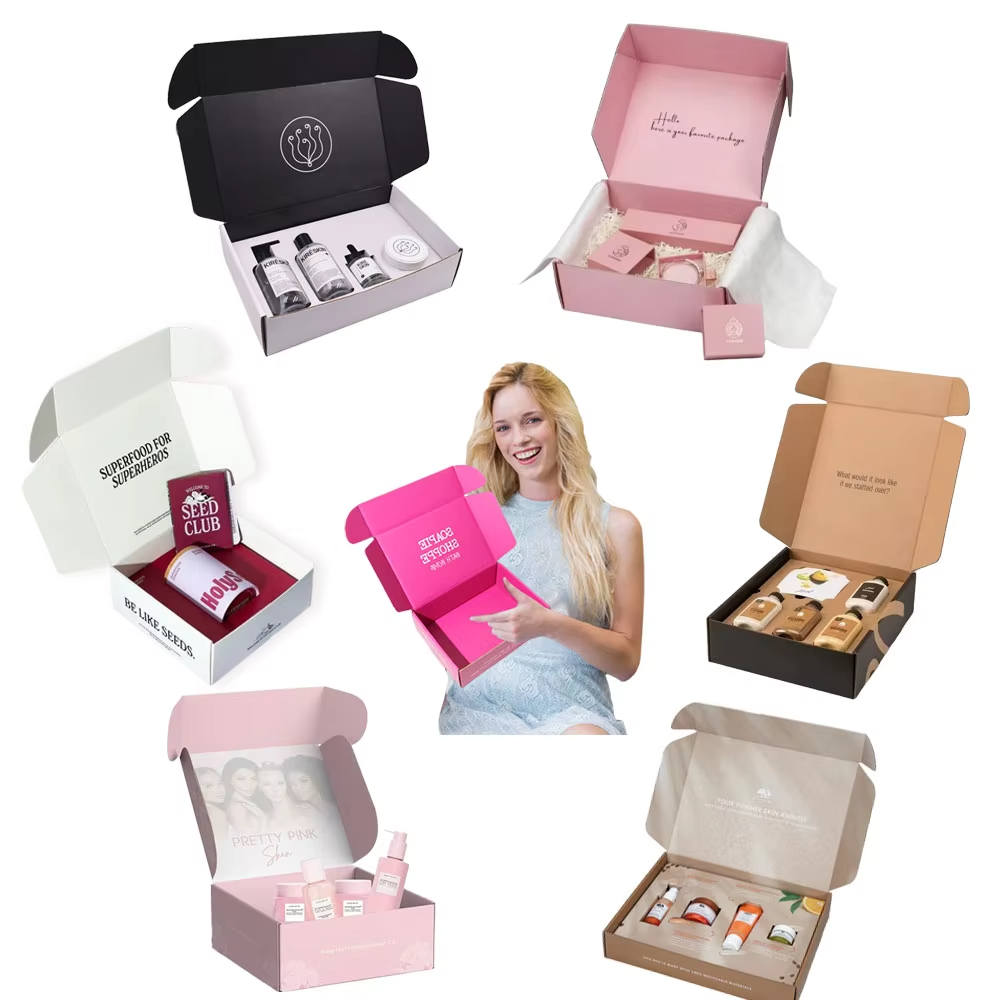
When businesses evaluate packaging options, the kraft box consistently stands out as a smart investment. A kraft box delivers a rare combination of low material cost, strong structural performance, and genuine environmental credentials — qualities that few other packaging formats can match simultaneously. For companies trying to balance budget pressures with growing consumer expectations around sustainability, the kraft box has become the default answer across dozens of industries.
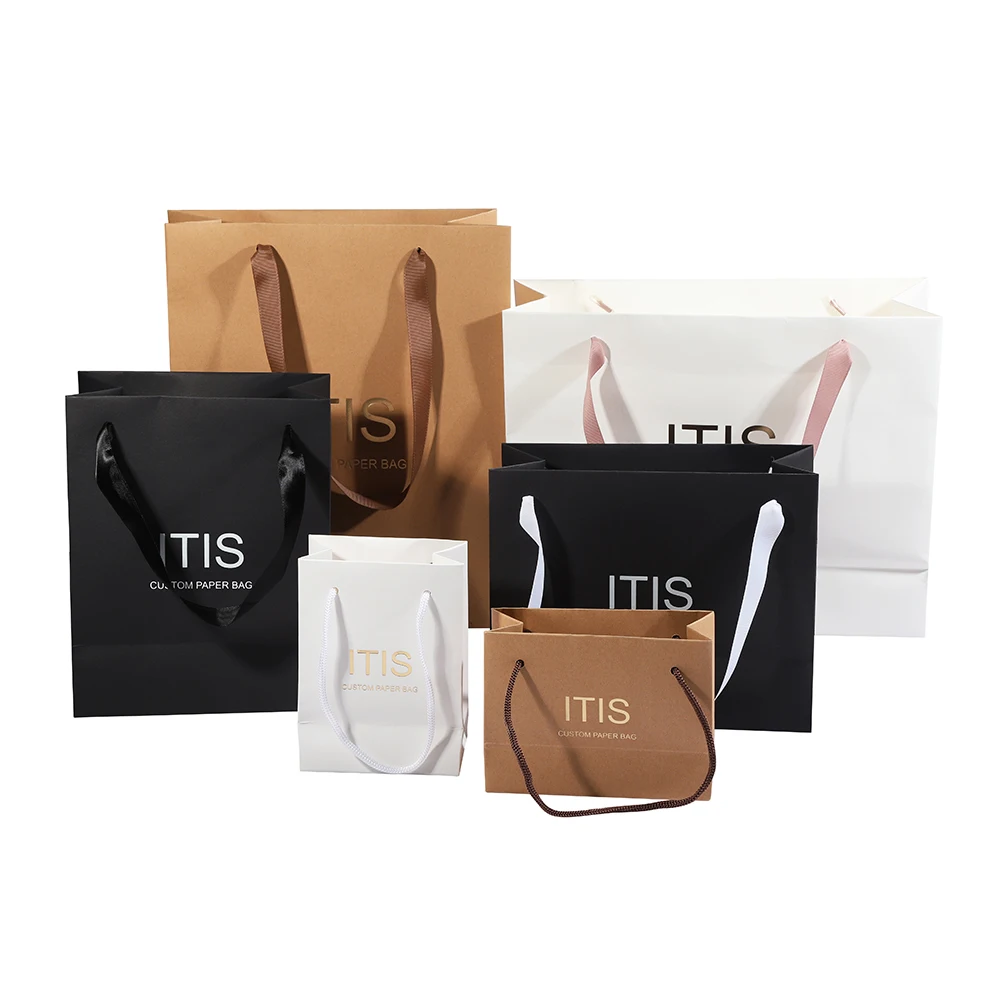
Understanding why a kraft box earns its reputation as the most cost effective green packaging requires looking beyond surface-level assumptions. The kraft box is not simply a brown paper container — it is an engineered solution that reflects decades of materials science, supply chain development, and environmental thinking. This article breaks down the specific reasons why the kraft box holds this position and what that means for businesses making real packaging decisions today.
The Raw Material Economics Behind the Kraft Box
Why Kraft Fiber Keeps Costs Low
The foundation of every kraft box is kraft pulp, produced through the kraft process, which converts wood chips into strong, long-fiber paper. This process is highly efficient and widely adopted at industrial scale, which means raw material costs remain stable and accessible. Unlike specialty packaging materials that depend on narrow supply chains, the kraft box benefits from a global network of paper mills and recycled fiber suppliers. That broad supply base translates directly into competitive pricing for buyers at every volume level.
A kraft box also requires minimal chemical treatment compared to bleached or coated alternatives. Bleached paperboard needs chlorine-based processes that add cost and environmental burden. A kraft box skips much of this, meaning the production cost per unit stays lower while the environmental footprint shrinks. For a procurement team comparing packaging costs per thousand units, the kraft box consistently delivers a lower landed cost than plastic, rigid board, or laminated alternatives.
Volume Scalability and Tooling Advantages
Another economic advantage of the kraft box is how it scales. Tooling for a kraft box is significantly cheaper than tooling for rigid plastic or metal packaging. Die-cut kraft box designs can be adjusted and reproduced with minimal retooling cost, which gives businesses flexibility to respond to new product sizes or seasonal demand without heavy capital investment. Small businesses ordering a few hundred units and large enterprises ordering millions can both access competitive kraft box pricing, making it one of the most democratically cost effective packaging formats available.
Why the Kraft Box Qualifies as Genuinely Green Packaging
Recyclability and Biodegradability as Real Credentials
A kraft box earns its green label through verifiable material properties, not just marketing language. Kraft paper is one of the most widely recycled materials in the world. Municipal recycling programs in most countries accept the kraft box without special sorting or processing. When a kraft box reaches the end of its life, it breaks down naturally in composting or landfill conditions far faster than plastic or synthetic materials. This lifecycle behavior is central to why the kraft box is treated as genuine green packaging rather than a greenwashed alternative.
The kraft box can also be produced using recycled content without significant loss of structural quality. Many kraft box manufacturers now offer options with 70% to 100% post-consumer recycled fiber, further reducing the demand for virgin wood resources. For businesses pursuing environmental certifications or meeting retailer sustainability requirements, a kraft box made with recycled fiber is a straightforward and credible solution.
Carbon Footprint Comparison with Competing Formats
When comparing packaging formats on carbon impact, the kraft box performs consistently well. The energy required to produce a kraft box from recycled fiber is substantially lower than the energy needed to manufacture plastic containers, aluminum tins, or polystyrene foam. Transportation also favors the kraft box — it is lighter than most rigid alternatives, which reduces fuel consumption per shipment. A kraft box can also be flat-packed before assembly, dramatically reducing the cubic volume required during shipping and warehousing. These logistics advantages compound the environmental and financial case for choosing a kraft box at scale.
Practical Business Value of the Kraft Box
Customization Without Premium Cost
One reason businesses across retail, food, cosmetics, and e-commerce choose the kraft box is the ease of customization. A kraft box accepts printing cleanly, whether through flexographic, digital, or offset methods. The natural brown surface of a kraft box creates a strong visual identity associated with organic, artisan, and premium product categories. Brands can print logos, product information, and decorative elements on a kraft box without the surface preparation costs required for plastic or metallic substrates. This printability makes the kraft box a high-value branding tool that does not inflate per-unit cost.
A kraft box also offers structural versatility. It can be engineered into folding cartons, rigid setup boxes, mailer boxes, or gusseted bags depending on the product requirement. This adaptability means a business can standardize on the kraft box format across multiple product lines, reducing supplier complexity and achieving volume discounts more easily. The kraft box format rarely requires expensive inserts or secondary packaging when designed correctly, which further reduces total cost of packaging per unit.
Consumer Perception and Market Alignment
Consumer research consistently shows that shoppers assign higher perceived value to products packaged in a kraft box, especially in food, wellness, and lifestyle categories. The kraft box signals authenticity, environmental responsibility, and quality craftsmanship. For brands positioned in these categories, the kraft box is not just a cost decision — it is a brand decision that supports premium pricing and repeat purchase behavior. The kraft box therefore contributes to revenue performance, not just cost reduction, making the case for its cost effectiveness even stronger from a business return perspective.
FAQ
Is a kraft box strong enough for heavy or fragile products?
Yes. A kraft box can be engineered to different caliper thicknesses and flute configurations to handle heavy or fragile items safely. Corrugated kraft box designs add cushioning layers that protect products during transit. For extremely fragile goods, a kraft box is often combined with paper-based void fill, maintaining full recyclability of the entire package.
Can a kraft box be used for food-safe packaging?
A kraft box manufactured with food-grade materials and approved coatings is fully suitable for food packaging applications. Many bakeries, restaurants, and food brands rely on the kraft box for dry goods, baked products, and take-out containers. Always confirm that the kraft box supplier uses FDA-compliant or relevant regional food-safe certifications for food contact applications.
How does the kraft box compare to recycled plastic packaging on cost?
In most volume scenarios, a kraft box offers a lower per-unit cost than recycled plastic packaging of comparable structural strength. Plastic tooling costs are higher, and recycled plastic material pricing fluctuates more with oil markets. The kraft box also avoids end-of-life disposal fees in regions where plastic packaging is subject to extended producer responsibility levies, adding a further hidden cost advantage to the kraft box over time.

