 EN
EN

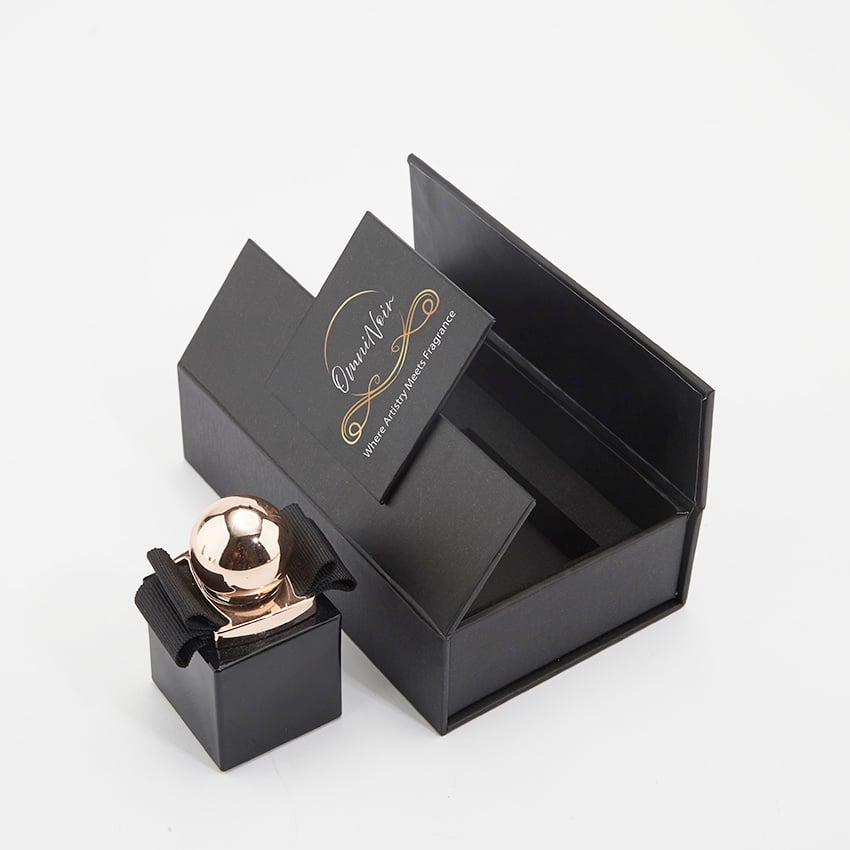
A custom kraft box is one of the most versatile and widely used packaging solutions across retail, gifting, and industrial sectors. However, every custom kraft box faces a persistent threat in storage environments: moisture. Whether you are storing a custom kraft box in a warehouse, a retail backroom, or a shipping facility, humidity can silently degrade the board, weaken the structure, and ruin printed finishes before the packaging ever reaches a customer.
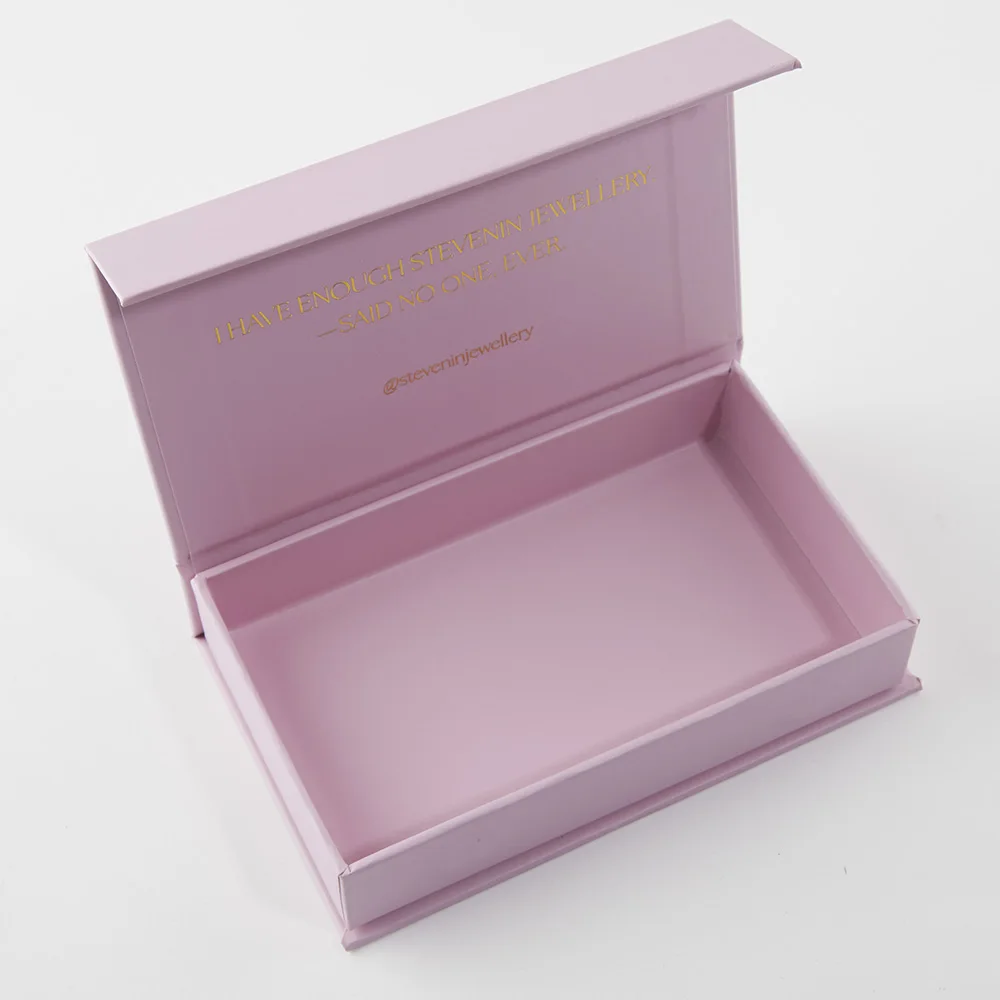
Protecting a custom kraft box from moisture is not a single action — it is a layered approach that begins at the material selection stage and extends through how you store, seal, and monitor your inventory. Understanding exactly where moisture enters, how it affects a custom kraft box, and what countermeasures work best allows businesses and individuals to dramatically extend the shelf life of their packaging. This guide walks through every practical step you need to take.
Why Moisture Is the Primary Enemy of a Custom Kraft Box
How Humidity Damages Kraft Paper Fibers
Kraft paper is made from wood pulp fibers that are inherently hygroscopic, meaning they absorb water vapor from the surrounding air. When a custom kraft box absorbs excess moisture, those fibers swell and lose rigidity. The result is a custom kraft box that buckles, warps, or loses its crisp structural form. For a magnetic custom kraft box or a gift-style custom kraft box with precision closures, even slight warping can prevent the lid from aligning correctly, making the entire custom kraft box unusable from a presentation standpoint.
Beyond structure, moisture causes a custom kraft box to lose compression strength. A stack of custom kraft box units in a warehouse can collapse if the bottom layers absorb too much humidity. Printed surfaces on a custom kraft box are equally vulnerable — moisture causes inks to bleed, surface coatings to peel, and embossed or debossed finishes to soften. Every visual and functional quality that makes a custom kraft box premium-grade depends on keeping moisture out.
Storage Conditions That Accelerate Moisture Damage
Not all storage environments pose equal risk to a custom kraft box. The most damaging conditions include high relative humidity above 65%, direct contact with concrete floors, poor air circulation, and temperature fluctuations that cause condensation. A custom kraft box stored near loading dock doors, in basement-level facilities, or in uninsulated storage units is exposed to all of these risks simultaneously. Identifying which conditions apply to your storage environment is the first step toward protecting your custom kraft box inventory.
Practical Methods to Protect a Custom Kraft Box in Storage
Applying Moisture-Resistant Coatings and Laminations
One of the most effective ways to protect a custom kraft box before it even enters storage is to specify a moisture-resistant surface treatment during manufacturing. A custom kraft box can be finished with aqueous coating, UV coating, or a laminate film — all of which create a barrier that slows moisture penetration. A matte or gloss laminated custom kraft box retains its surface quality far longer in humid conditions than an uncoated custom kraft box. If your packaging supplier offers these options, selecting the right finish for a custom kraft box used in high-humidity regions is a smart long-term investment.
For a custom kraft box that must remain eco-friendly, water-based aqueous coatings are a practical middle ground. They add meaningful moisture resistance to a custom kraft box without plastic lamination, preserving both the recyclability of the custom kraft box and the structural protection your inventory needs.
Packaging a Custom Kraft Box for Long-Term Storage
Even a well-coated custom kraft box benefits from secondary moisture protection during storage. Wrapping stacks of a custom kraft box in polyethylene stretch film creates a vapor barrier around the entire pallet. Silica gel desiccant packs placed inside sealed storage units actively absorb ambient moisture, keeping the microenvironment around each custom kraft box dry. For smaller quantities, sealing a custom kraft box inside a poly bag before boxing them adds another layer of defense.
Never store a custom kraft box directly on a concrete floor. Concrete is porous and transfers ground moisture upward by capillary action. Use pallets or shelving to elevate every custom kraft box at least 10 centimeters off the floor. This single step prevents a large percentage of moisture-related damage to a custom kraft box in ground-level storage facilities.
Controlling the Storage Environment
Long-term protection of a custom kraft box requires active climate management. Maintaining indoor relative humidity between 45% and 60% creates a stable environment where a custom kraft box retains its structural and cosmetic properties. Dehumidifiers, HVAC systems with humidity control, and vapor barriers on walls and floors all contribute to keeping conditions safe for a custom kraft box. Install a hygrometer in your storage room and check readings regularly — a custom kraft box stored at 70% relative humidity will deteriorate visibly within weeks.
Air circulation also matters. Stagnant, humid air settles around a custom kraft box and accelerates fiber absorption. Fans or ventilation systems keep air moving, reducing the chance that moisture concentrates around any single custom kraft box stack. Combine climate control with proper stacking — never stack a custom kraft box so high that the bottom units bear excessive weight, as compressed fibers are more susceptible to moisture damage.
Handling and Inspection Best Practices for a Custom Kraft Box
Inspecting a Custom Kraft Box Before and After Storage
Before placing a custom kraft box into long-term storage, inspect each unit for pre-existing moisture damage. A custom kraft box that already shows soft spots, discoloration, or delamination will deteriorate faster and may contaminate adjacent units. Segregate any compromised custom kraft box stock immediately. When retrieving a custom kraft box from storage, allow it to acclimatize to room temperature before opening sealed wrapping — sudden temperature changes can cause condensation on the surface of a custom kraft box that was stored in a cold environment.
Rotation and Inventory Management for Custom Kraft Box Stock
Older custom kraft box inventory should always be used before newer stock — a first-in, first-out rotation minimizes the time any single custom kraft box spends in storage. Label each pallet of custom kraft box units with the storage date so staff can prioritize older batches. Limiting total storage duration for a custom kraft box to under six months in non-climate-controlled environments significantly reduces moisture-related losses. For a premium custom kraft box with specialty printing or magnetic closures, even shorter storage windows are advisable in humid climates.
FAQ
What is the ideal humidity level for storing a custom kraft box?
The ideal relative humidity for storing a custom kraft box is between 45% and 60%. At this range, a custom kraft box retains its structural rigidity, print quality, and closure precision without excessive drying that can cause brittleness.
Can a custom kraft box be reused after moisture exposure?
A custom kraft box that has been lightly exposed to moisture may recover some rigidity after drying in a well-ventilated area, but a custom kraft box that has warped, delaminated, or lost its shape is generally not suitable for reuse in a professional or gift-packaging context.
Does lamination fully waterproof a custom kraft box?
Lamination significantly improves moisture resistance but does not make a custom kraft box fully waterproof. A laminated custom kraft box resists surface moisture and humidity far better than an uncoated custom kraft box, but prolonged exposure to standing water or extreme humidity will still compromise the internal fibers over time.

