 EN
EN

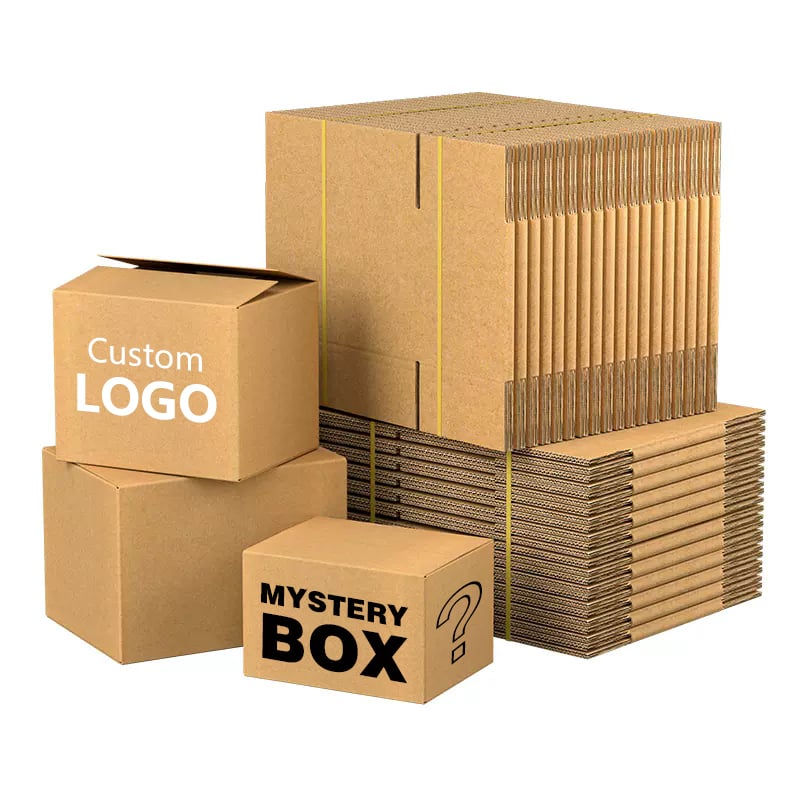
Organic brands are making a decisive shift in their packaging strategy, and the natural kraft box is at the center of that change. Across food, beauty, wellness, and lifestyle sectors, more brands are choosing the natural kraft box not just as a container, but as a core expression of their values. This shift is not accidental — it reflects deep changes in how consumers relate to brands, what they expect from sustainable businesses, and how packaging communicates authenticity at a glance. Understanding why this movement is accelerating reveals just how strategically important the natural kraft box has become for organic-positioned companies.
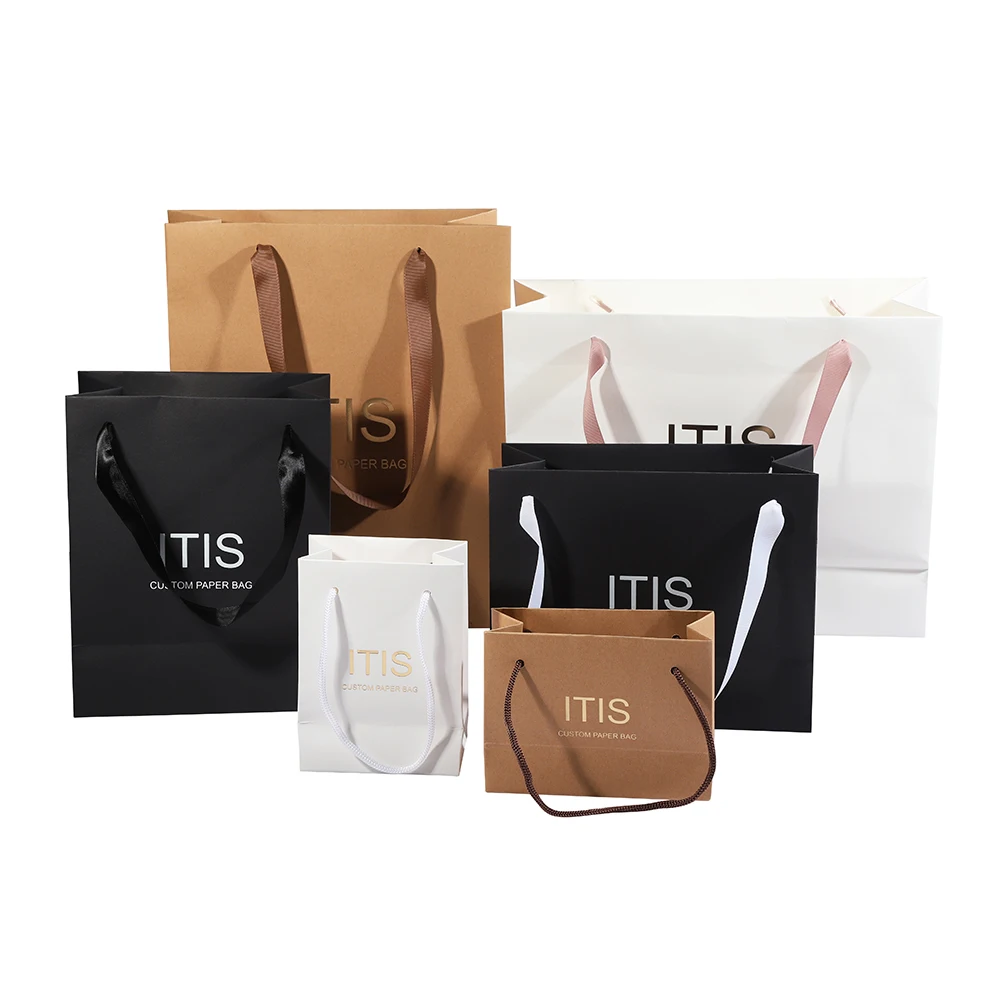
The natural kraft box offers a unique combination of material honesty, tactile warmth, and visual simplicity that aligns almost perfectly with what organic brands stand for. When a consumer picks up a product housed in a natural kraft box, the unbleached, earthy tone immediately signals eco-consciousness and transparency. That first impression matters enormously in a crowded marketplace where organic and natural claims are everywhere, but genuine packaging credibility is still relatively rare. This is why brands that once used glossy, plastic-coated boxes are actively transitioning to the natural kraft box as their primary packaging format.
The Alignment Between Natural Kraft Box and Organic Brand Values
Material Honesty That Consumers Can See and Feel
One of the strongest reasons organic brands gravitate toward the natural kraft box is material transparency. The natural kraft box is made from unbleached wood pulp, which means no harsh chemical whitening agents are used in the production process. For brands that promote clean ingredients and minimal processing, this aligns directly with their product story. Consumers who read ingredient labels and scrutinize supply chains are increasingly reading packaging labels too, and a natural kraft box signals that the brand has extended its ethics all the way to the outer layer. This visible consistency builds credibility that no amount of green marketing copy can replicate.
Biodegradability as a Brand Promise
Organic brands often make environmental pledges as part of their core identity. The natural kraft box supports those pledges with a practical, measurable outcome: biodegradability. Unlike laminated or plastic-coated boxes, a natural kraft box breaks down naturally in composting environments, leaving no toxic residue. When a brand tells its customers that its packaging is genuinely compostable, the natural kraft box delivers on that promise in a way consumers can verify and trust. This alignment between brand promise and packaging reality is a powerful driver of customer loyalty, and it explains why so many organic brands treat the natural kraft box as a non-negotiable packaging standard.
Consumer Perception and the Visual Language of the Natural Kraft Box
Earthy Aesthetics That Signal Authenticity
The unbleached brown surface of a natural kraft box carries a visual language that is immediately understood by today's conscious consumer. It communicates 'raw,' 'real,' and 'unprocessed' before a single word is read. Organic brands invest heavily in building authentic identities, and the natural kraft box reinforces that identity through its very appearance. When a natural kraft box is paired with clean typography and minimal ink coverage, it creates a packaging aesthetic that stands out on retail shelves precisely because it resists the overdesigned, plastic-heavy look of conventional products. This visual contrast is a deliberate strategy, not a design limitation.
Touch, Weight, and the Sensory Experience of Kraft
Beyond visuals, the natural kraft box delivers a sensory experience that glossy alternatives cannot match. The slightly textured surface of a natural kraft box feels grounded and substantial in a way that smooth, coated packaging does not. For premium organic brands, this tactile quality elevates the unboxing experience and reinforces the perception of quality without synthetic embellishment. Many organic skincare and food brands report that customers specifically comment on the feel of their natural kraft box, making it not just a functional container but an active part of the product experience. That kind of sensory engagement is difficult to engineer with synthetic materials and virtually free when you choose a quality natural kraft box.
Practical Business Reasons for the Natural Kraft Box Shift
Custom Printing and Branding Without Compromise
A common misconception is that choosing a natural kraft box means sacrificing branding quality. In reality, modern printing technology allows organic brands to achieve sharp, beautiful custom logos and artwork on a natural kraft box with soy-based or water-based inks that are themselves environmentally responsible. The warm brown base of the natural kraft box actually enhances certain ink colors, particularly earth tones, greens, and whites, giving printed designs a distinctive warmth that coated white boxes cannot replicate. Brands that use a natural kraft box with custom printing often find that their packaging becomes a recognizable brand asset rather than a generic container. The natural kraft box, therefore, supports both sustainability goals and strong commercial branding simultaneously.
Cost Efficiency and Supply Chain Simplicity
For growing organic brands managing tight margins, the natural kraft box offers a cost-effective packaging path. Because the natural kraft box requires no bleaching process or lamination layer, its production cost is generally lower than that of heavily processed alternatives. This cost advantage allows smaller organic brands to maintain premium product quality while keeping packaging budgets manageable. Additionally, the natural kraft box is widely available from suppliers globally, making procurement simpler and supply chains more resilient. As demand for the natural kraft box continues to grow across industries, lead times are improving and customization options are expanding, giving organic brands more flexibility than ever before.
FAQ
Is a natural kraft box strong enough for heavy or fragile products?
Yes. The natural kraft box is produced from long wood fibers that give it excellent tensile strength. When properly constructed with appropriate thickness, a natural kraft box can safely contain heavy food products, glass jars, and fragile cosmetics. Many brands customize the thickness and structure of their natural kraft box to match the specific weight and protection requirements of their products, making it a versatile and durable packaging solution.
Can a natural kraft box be fully customized for branding?
Absolutely. A natural kraft box can be customized with logos, brand colors, product information, and decorative elements using eco-friendly printing methods. Embossing, debossing, spot UV, and foil stamping can all be applied to a natural kraft box to create a premium branded look. This makes the natural kraft box suitable not only for everyday retail use but also for gift packaging and high-end product lines.
How does a natural kraft box support sustainability certification goals?
A natural kraft box made from responsibly sourced wood pulp can contribute to sustainability certifications such as FSC or similar standards. Because the natural kraft box is biodegradable, compostable, and free of synthetic coatings, it aligns with the packaging criteria required by several eco-certification bodies. Brands pursuing certified sustainable packaging can often meet key requirements by switching to a natural kraft box, simplifying their compliance process and strengthening their environmental credentials.

