 EN
EN

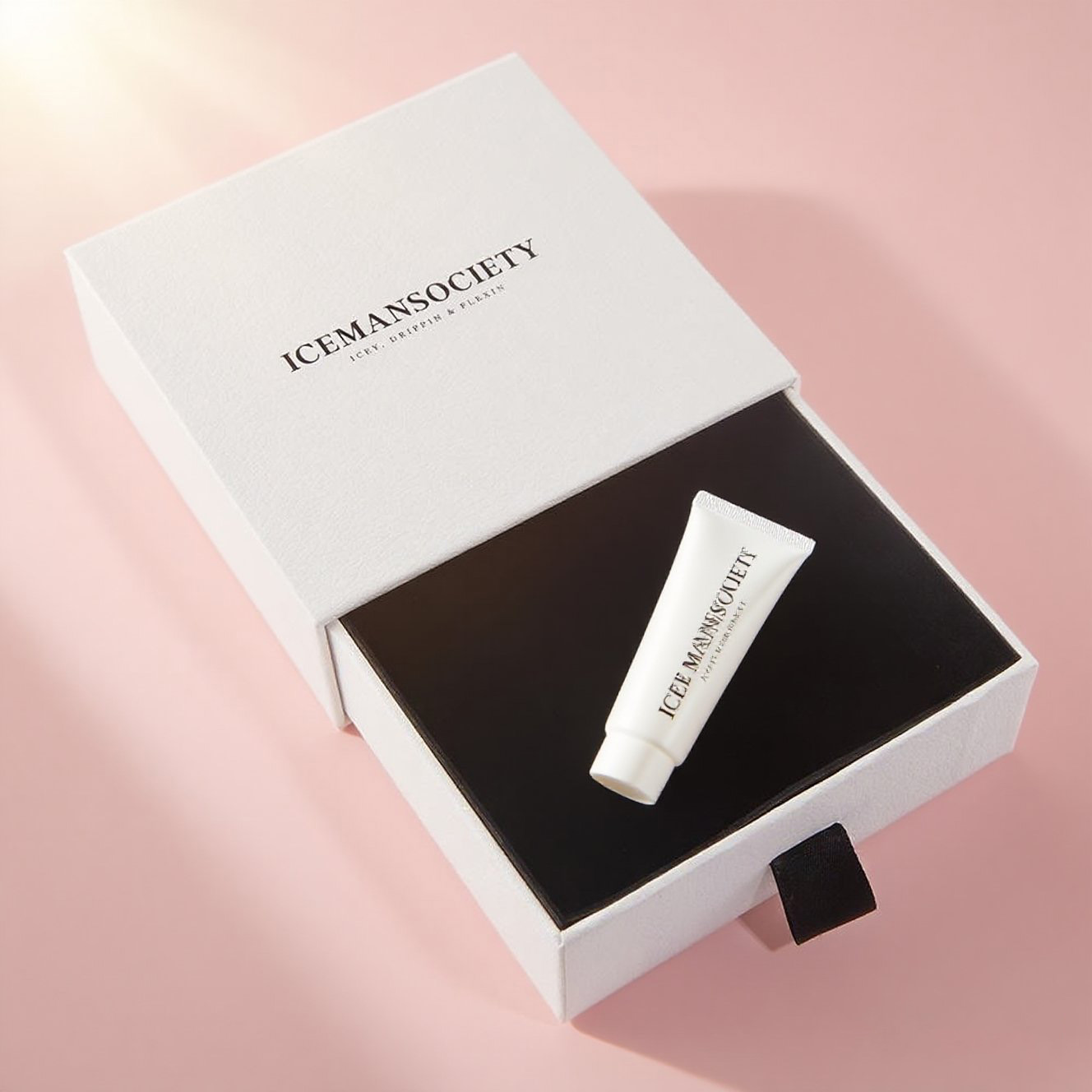
Protecting luxury jewelry requires thoughtful packaging design, and a tight fit drawer box is one of the most effective solutions available to brands and retailers. A well-designed tight fit drawer box prevents movement, reduces damage during transit, and communicates premium quality to the customer. Whether you are a jewelry manufacturer, retailer, or gift brand, understanding how to design a tight fit drawer box that meets both protective and aesthetic standards is essential for safeguarding your valuable products and enhancing the unboxing experience.
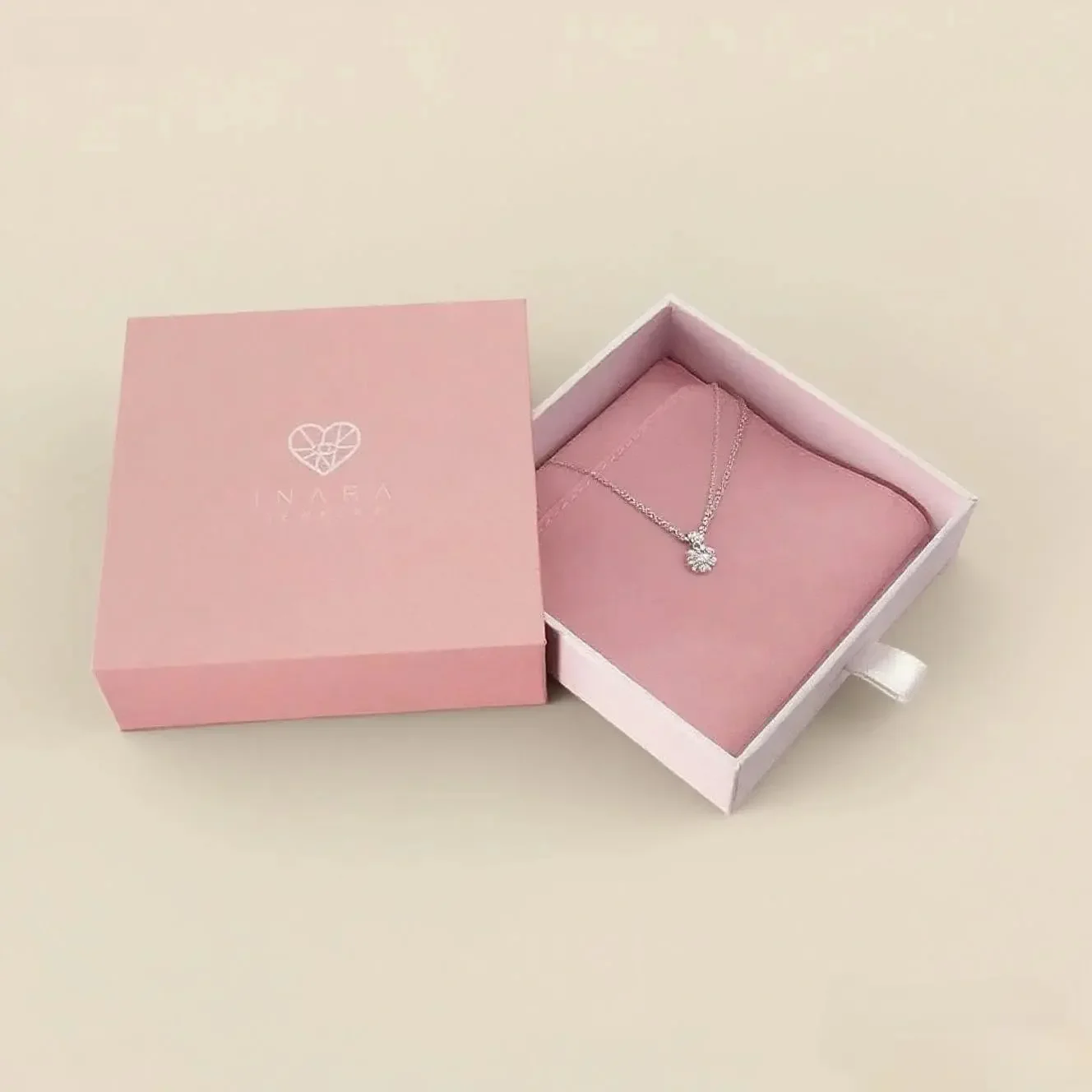
The design of a tight fit drawer box involves balancing structural integrity, interior spacing precision, material selection, and protective padding to ensure jewelry remains secure and undamaged. High-end jewelry pieces demand specialized packaging that goes beyond standard boxes, requiring careful attention to dimensional accuracy, cushioning materials, and presentation elements that reflect the value of the product inside.
Understanding Tight Fit Drawer Box Dimensions
Measuring Interior Space Accurately
The foundation of any effective tight fit drawer box is precise interior measurement. Jewelry pieces must fit snugly without forcing them into the box, which can cause scratches or misalignment. Begin by measuring your jewelry items in three dimensions: length, width, and height. Add approximately 1 to 2 millimeters of clearance to each measurement to allow smooth insertion and removal without excessive movement. This precision prevents shifting during shipping while maintaining ease of access for the customer. A tight fit drawer box with proper measurements ensures that bracelets, necklaces, rings, and earrings stay exactly where you position them inside the packaging.
Designing Depth and Compartment Layout
Compartment depth directly impacts how well a tight fit drawer box protects individual pieces. Deeper compartments reduce the risk of items touching the box bottom during transport, while proper width and length divisions prevent pieces from sliding together. When designing the interior layout for a tight fit drawer box, consider creating individual slots or sections for each jewelry item if the order contains multiple pieces. Drawer-style openings in a tight fit drawer box should extend fully to allow customers to view and remove jewelry effortlessly. The tight fit mechanism works best when compartments are divided by rigid insert materials that divide space without creating pressure points.
Material Selection for Maximum Protection
Choosing Substrate Materials for Durability
The outer structure of your tight fit drawer box requires materials that combine rigidity with aesthetics. Rigid chipboard or luxury paperboard typically form the base layer, offering excellent structural support while maintaining a premium appearance. These materials can be laminated with specialty papers, velvet, or fabric finishes that align with your brand identity. When designing a tight fit drawer box for high-end jewelry, the exterior material should feel substantial and durable enough to withstand handling, stacking, and storage without crushing or deforming. Consider the weight capacity needed for your specific jewelry type, as heavier pieces may require thicker cardboard layers in your tight fit drawer box design.
Interior Padding and Cushioning Solutions
The interior padding of a tight fit drawer box serves as the critical protective layer between jewelry and the box structure. Velvet, microfiber, or soft fabric inserts create a cushioned surface that prevents direct contact with cardboard and reduces movement. Foam inserts cut to exact jewelry specifications can be integrated into a tight fit drawer box to create compartments that hold each piece in place. Memory foam or dense polyethylene foam padding absorbs shock during transit, minimizing the impact of drops or compression. For a tight fit drawer box housing delicate items like gemstone rings or detailed pendants, consider multi-layer padding that combines a soft outer surface with shock-absorbing underlayers.
Structural Design for Tight Fit Drawer Boxes
Creating the Drawer Mechanism
A tight fit drawer box functions through a sliding mechanism that requires precise engineering to operate smoothly. The drawer itself must fit snugly within the outer sleeve without binding or jamming, which is why every dimension matters in a tight fit drawer box design. The drawer sides should have minimal friction points while maintaining enough grip to prevent accidental slipping. Score lines and fold patterns in the drawer components must be positioned to support the weight of jewelry without collapsing. Testing prototypes of your tight fit drawer box by actually inserting and removing weighted items helps identify friction areas that need refinement before mass production begins.
Base Stability and Inner Sleeve Reinforcement
The base of a tight fit drawer box must remain perfectly flat and stable when the drawer is opened, preventing the entire package from tipping or warping. Reinforced corner construction using overlapped or interlocked cardboard layers strengthens a tight fit drawer box against pressure points. The inner sleeve that houses the drawer should be constructed from premium cardboard that resists moisture and maintains structural integrity over time. When designing the inner dimensions of a tight fit drawer box, ensure the walls are thick enough to support the drawer weight but not so thick that they consume excess space. The fit between drawer and sleeve is what defines the quality of a tight fit drawer box, and this relationship directly determines how well jewelry stays protected during the customer journey.
Aesthetic and Functional Finishing Touches
Surface Treatments and Brand Presentation
The external finish of a tight fit drawer box communicates brand value and sets customer expectations before opening. Specialty coatings, embossing, foil stamping, and die-cut windows transform a functional tight fit drawer box into a luxury unboxing experience. Soft-touch matte finishes, metallic accents, or cloth-wrapped exteriors elevate the perceived value of your tight fit drawer box and justify premium pricing. Interior decorative elements, such as branded tissue paper or custom inserts within the tight fit drawer box, extend the premium experience throughout the unboxing moment. Color selection for both exterior and interior components of your tight fit drawer box should align with your brand identity and the target demographic of your jewelry products.
Labeling and Protective Information
Clear labeling on your tight fit drawer box guides customers on proper handling and care. Placement of care instructions, product details, or warranty information on the tight fit drawer box should not interfere with the clean aesthetic but remain accessible and readable. Some brands include QR codes on the tight fit drawer box that link to product authenticity verification or care videos. Interior labels within a tight fit drawer box can indicate proper jewelry positioning or provide additional brand storytelling. The way you present information on a tight fit drawer box reflects your brand professionalism and adds to the overall perception of quality and care invested in protecting high-end jewelry.
FAQ
What materials work best for a tight fit drawer box interior?
Velvet, microfiber, and memory foam are the top choices for tight fit drawer box interiors. Velvet provides a luxurious feel and gentle surface that prevents scratches, while memory foam creates custom-fitted compartments that hold jewelry securely in place. A combination of soft fabric outer layers with shock-absorbing foam beneath offers optimal protection in a tight fit drawer box. The material choice depends on your jewelry type, budget, and brand positioning, but premium brands typically layer multiple protective materials within their tight fit drawer box design.
How do I ensure my tight fit drawer box doesn't damage jewelry during shipping?
Proper interior spacing, multi-layer padding, and compartmentalization are essential for protecting jewelry in a tight fit drawer box during shipping. Ensure jewelry cannot move or shift by using foam inserts or padded dividers that hold each piece firmly in place. The tight fit mechanism itself should minimize internal movement, but adding shock-absorbing layers around the drawer further reduces impact transmission. Test your tight fit drawer box with actual products and simulate shipping conditions by dropping test packages to verify protection levels before full production.
Can a tight fit drawer box accommodate jewelry sets with multiple items?
Yes, a tight fit drawer box can be designed with multiple compartments to hold complete jewelry sets including rings, earrings, bracelets, and necklaces. Segmented foam inserts or custom-cut dividers within the tight fit drawer box create individual spaces for each piece while maintaining the tight fit principle. This design prevents pieces from touching each other, reducing the risk of tangling, scratching, or cross-contamination. For tight fit drawer box solutions that accommodate sets, work with experienced packaging designers who understand jewelry-specific compartmentalization requirements.

