 EN
EN

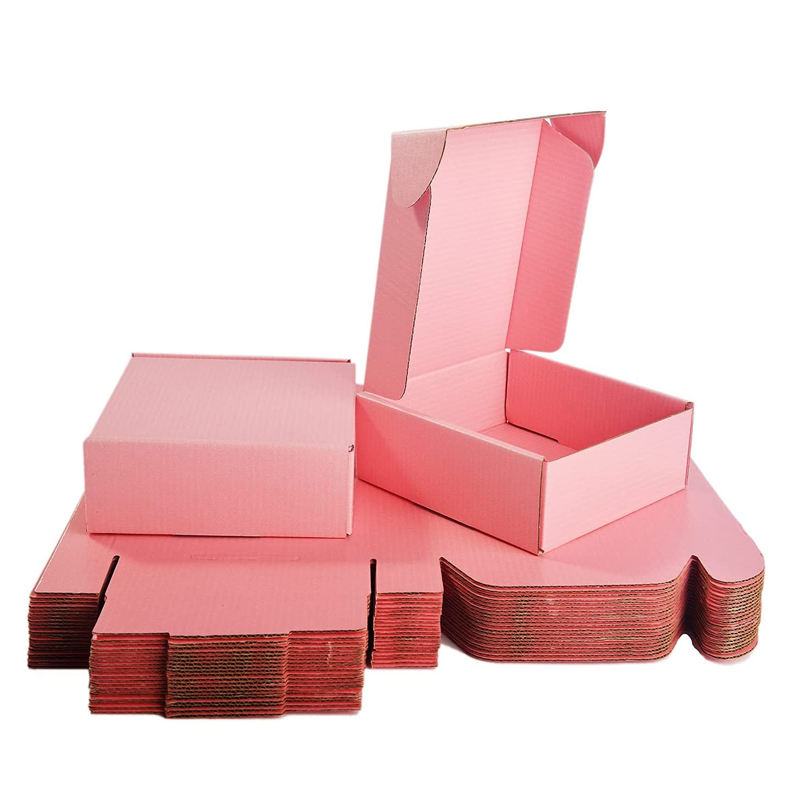
A premium foldable gift box has quietly closed the gap with traditional rigid packaging in ways that surprise even experienced buyers. Where rigid boxes once held a monopoly on luxury presentation, the modern foldable gift box now delivers the same weight, structure, and tactile refinement — while adding the practical benefit of flat-pack shipping. Understanding exactly what creates that parity is essential for any brand selecting premium packaging.
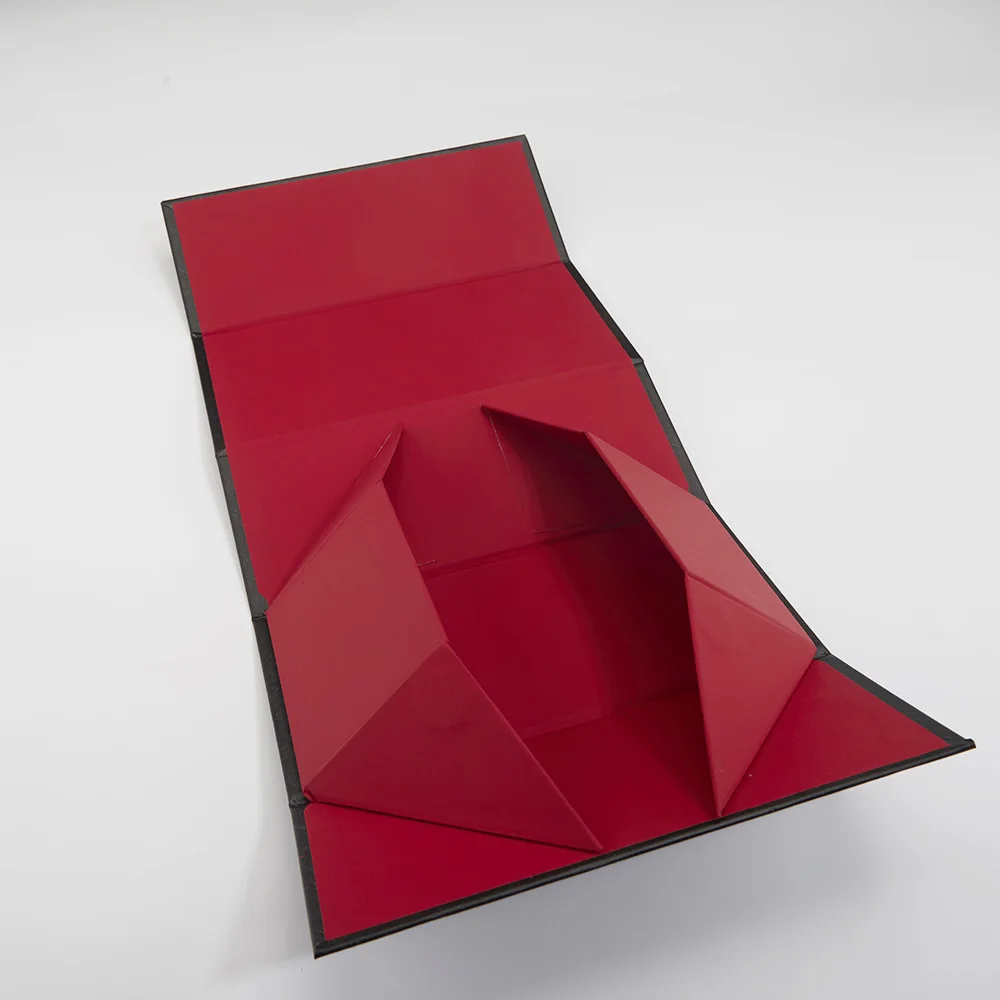
The distinction between a foldable gift box and a rigid box was once obvious at a glance. Today, that boundary has blurred considerably. When manufacturers combine the right board weight, surface finish, and magnetic closure system, a foldable gift box can match a rigid box in every perceptible dimension. This article breaks down the specific engineering and material decisions that make that equivalence possible, helping procurement teams and brand managers make more informed choices.
Board Thickness and Structural Rigidity
The Role of Greyboard Density in a Foldable Gift Box
The single most important factor that separates an ordinary foldable gift box from one that rivals rigid boxes is the density and thickness of the internal greyboard. A standard folding carton uses thin chipboard that collapses under moderate pressure. A premium foldable gift box, by contrast, is built with high-density greyboard laminated beneath a coated outer wrap, giving the foldable gift box a wall stiffness that mimics the feel of a set-up rigid box. Brands specifying a foldable gift box for watches, electronics, or cosmetics expect that resistance when the box is picked up, and a well-engineered foldable gift box delivers exactly that.
The lamination process matters just as much as the board itself. In a high-quality foldable gift box, the outer printed sheet is cold- or hot-laminated to the greyboard under controlled pressure to eliminate bubbling and edge separation. When a customer opens a foldable gift box and runs a finger along the edge, they should feel a seamless, solid surface — not the slight give of a typical folding carton. That tactile consistency is what allows a foldable gift box to pass as rigid in a retail or gifting context.
Score Lines and Corner Geometry of a Foldable Gift Box
Corner sharpness is one of the first visual cues consumers use to judge packaging quality. A rigid box achieves sharp corners through a hand-wrapping and forming process. A premium foldable gift box achieves the same result through precision-cut score lines and reinforced corner panels. The score lines in a foldable gift box must be placed with micron-level accuracy so that when the box is assembled, each corner forms a true ninety-degree angle without creasing or puckering. Brands reviewing a foldable gift box sample should examine every corner under good light to confirm that the geometry matches rigid box standards.
Surface Finish and Visual Equivalence
Matte and Gloss Coatings That Elevate a Foldable Gift Box
Surface finish is the primary visual language of luxury packaging, and a foldable gift box competes directly with rigid boxes when the right coating is applied. A full-coverage matte lamination gives a foldable gift box the soft, velvety appearance associated with premium brand packaging. Gloss UV or soft-touch coatings add further differentiation. When a foldable gift box carries a matte black exterior with spot UV logo treatment, the visual result is effectively identical to a rigid box wrapped in the same material. The coating also adds abrasion resistance, ensuring the foldable gift box maintains its appearance through the supply chain.
Foil stamping and embossing applied to a foldable gift box further close the visual gap. A gold foil stamp on a foldable gift box logo panel creates the same luxurious impression as it would on a rigid setup box. Hot stamping on a foldable gift box requires a slightly different die pressure calibration than on rigid boards, but skilled converters achieve results that are visually indistinguishable. Brands that invest in these finishing techniques on a foldable gift box consistently report that end consumers perceive the packaging as premium without recognizing that it is a foldable format.
Interior Lining and the Unboxing Experience
A foldable gift box that mirrors rigid box quality must also succeed on the inside. Velvet, satin, or foam-insert lining transforms the interior of a foldable gift box into a presentation environment that rivals any set-up box. The lining material is die-cut to fit the foldable gift box cavity precisely, preventing movement and framing the product. When a recipient opens a foldable gift box lined in black velvet, their sensory experience — the texture, the color contrast, the product presentation — is indistinguishable from opening a rigid gift box. That interior moment is where perceived value is created or lost.
Magnetic Closure Engineering
How Magnets Define the Premium Feel of a Foldable Gift Box
The closure mechanism is arguably the most defining sensory feature of a foldable gift box. A low-grade foldable gift box closes with a flap that sits loosely or requires tucking. A premium foldable gift box uses embedded neodymium magnets positioned beneath the outer wrap so they are completely invisible. When the lid of the foldable gift box closes, the magnetic pull creates a satisfying, controlled snap that feels engineered and deliberate. Rigid boxes rely on friction and fit for closure; a magnetic foldable gift box delivers a comparable or superior tactile experience through precision magnet placement.
Magnet strength in a foldable gift box must be calibrated to the box size and weight. A foldable gift box designed for a heavy product like a bottle or device needs stronger magnets than one used for a card or accessory. When the magnet strength is correctly matched, the foldable gift box closes and holds without being difficult to open — a balance that premium rigid boxes achieve through tight tolerances and that a well-designed foldable gift box replicates through engineering. Structural alignment of the magnet pairs is equally critical; misaligned magnets in a foldable gift box create a visible seam gap that immediately signals lower quality.
FAQ
Can a foldable gift box hold the same weight as a rigid box?
Yes, a premium foldable gift box built with thick greyboard lamination can support comparable weight loads to most standard rigid boxes. The key is board density and lamination integrity. A well-constructed foldable gift box used for heavy products such as bottles or electronics is engineered with reinforced base panels that distribute load evenly, preventing deformation during shipping and handling.
What printing techniques work best on a foldable gift box?
Offset printing combined with matte or gloss lamination is the most common and effective approach for a foldable gift box. This method delivers rich, consistent color across large surface areas. Foil stamping, soft-touch coating, spot UV, and embossing are all compatible with a foldable gift box outer wrap and can be layered to create the multi-dimensional finish expected in luxury gift packaging.
Is a foldable gift box more cost-effective than a rigid box?
A premium foldable gift box generally offers a lower total landed cost than a rigid box when shipping volume is considered. Because a foldable gift box ships flat and is assembled at the destination, freight costs per unit are significantly reduced. For brands ordering at scale, the savings on shipping a foldable gift box versus a pre-formed rigid box can offset a higher per-unit manufacturing cost, making the foldable gift box the more economical choice overall.

