 EN
EN


A folding gift box that snaps together cleanly creates an immediate impression of quality. Whether used for luxury retail, corporate gifting, or premium product packaging, the way a folding gift box closes and holds its shape speaks directly to the brand behind it. When a folding gift box fails to align properly or collapses under light pressure, the entire unboxing experience suffers. Understanding the specific structural and material details that allow a folding gift box to perform flawlessly is essential for any business that relies on packaging to reinforce its brand value.
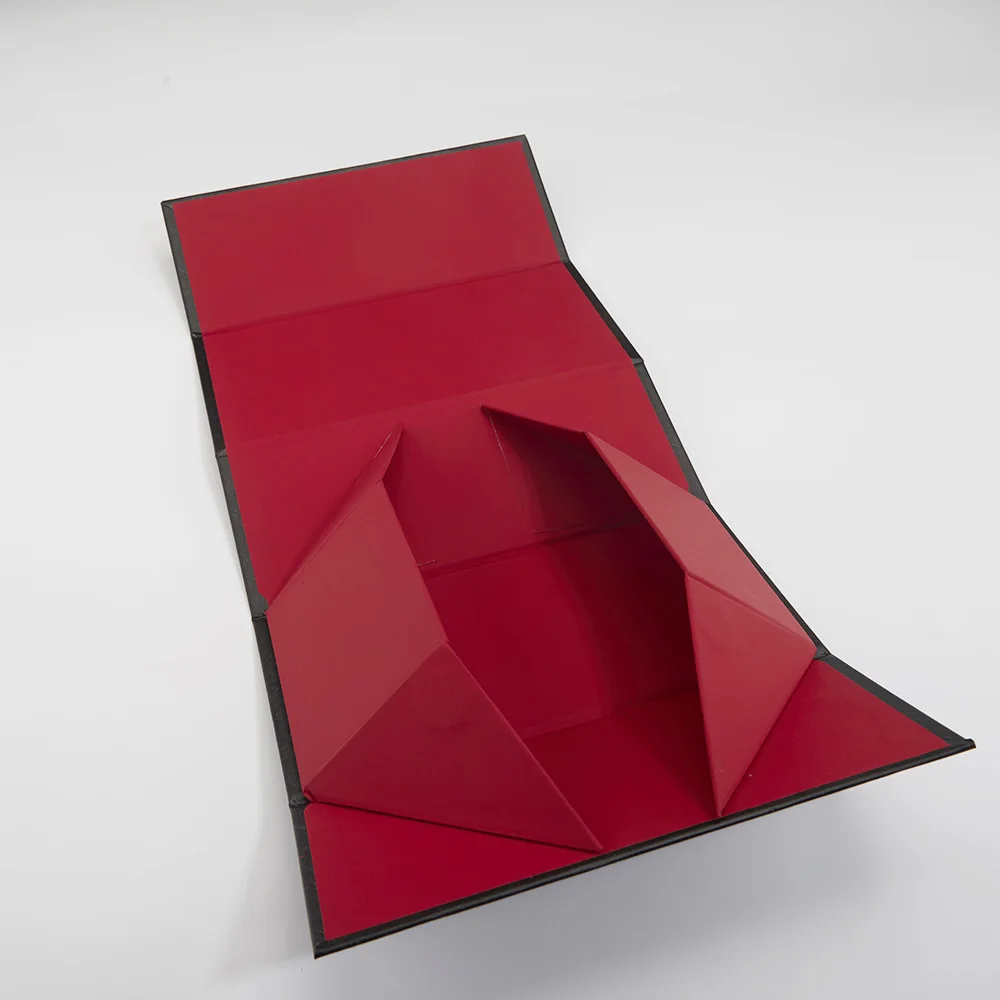
Every folding gift box that performs well in the hands of the end customer is the result of precise engineering decisions made long before production begins. From the greyboard thickness to the magnetic closure strength, each detail contributes to whether a folding gift box snaps together smoothly or feels loose and unreliable. This article explores the core construction details that distinguish a well-made folding gift box from one that disappoints on delivery.
Material Selection and Board Thickness
Why Rigid Greyboard Matters for a Folding Gift Box
The foundation of any reliable folding gift box is the greyboard used for its inner structure. Greyboard, also called chipboard, provides the rigidity that allows a folding gift box to hold its form after assembly. A folding gift box made with board that is too thin will flex and warp, preventing the snap-fit mechanism from engaging properly. Most premium folding gift box designs use greyboard with a thickness between 1.5mm and 2.5mm, depending on the box size and the weight of the contents it must support.
When the greyboard in a folding gift box is too thick, the fold lines become difficult to crease accurately, leading to misaligned panels. The right board weight for a folding gift box balances structural firmness with clean foldability. Manufacturers who specialize in rigid folding gift box production will test board samples before committing to a full production run, ensuring the material behaves predictably through every fold and snap cycle.
Outer Wrapping and Surface Adhesion in a Folding Gift Box
The outer paper or fabric wrap of a folding gift box must adhere evenly to the greyboard without air pockets or edge lifting. When the wrap is poorly bonded, the edges of the folding gift box swell slightly, creating a gap that prevents the magnetic or tuck-in closure from seating correctly. A matte laminated paper wrap is one of the most common choices for a premium folding gift box because it bonds tightly, resists moisture-related warping, and provides a smooth tactile surface that feels intentional and high-end.
Crease Line Precision and Panel Alignment
The Role of Die-Cut Accuracy in a Folding Gift Box
The die-cut process determines exactly where each panel of a folding gift box will fold. If the crease lines in a folding gift box are even slightly off-position, the assembled box will show misaligned corners and panels that do not sit flush. Precision die-cutting ensures that every folding gift box in a production batch folds along exactly the same lines, producing a consistent snap and a visually uniform result across hundreds or thousands of units.
For a folding gift box with a magnetic closure, the alignment of the die-cut lines is especially critical. The magnetic strip or button must land in the correct position for the opposing magnet to connect cleanly. If the crease placement shifts even two millimeters, the folding gift box will not snap shut with the satisfying click that luxury packaging demands. High-quality folding gift box production uses registered die-cutting to eliminate this type of variance.
Corner Construction and Structural Integrity
The corners of a folding gift box are the areas most likely to show construction flaws. A well-made folding gift box uses mitered or book-bound corner techniques that wrap the outer material cleanly around each edge without bunching or tearing. When corner construction is done correctly, the folding gift box maintains a sharp, squared profile that reinforces its rigid appearance and allows the lid and base to meet evenly. A folding gift box with poorly finished corners will not snap together properly because the panel distortion at the corner points shifts the overall geometry of the box.
Closure Mechanisms and Magnetic Snap Performance
Magnet Placement in a Folding Gift Box
The magnetic closure is one of the most defining functional features of a premium folding gift box. For the snap to feel strong and precise, the magnets embedded in a folding gift box must be positioned symmetrically and at the correct depth beneath the board surface. If the magnets in a folding gift box are too shallow, they will attract early and pull the lid off-center before full closure. If they are too deep, the folding gift box will require extra force to close, reducing the elegance of the experience.
A folding gift box intended for repeated use must also use magnets that retain their pull strength over multiple open-and-close cycles. Neodymium magnets are commonly used in a high-performance folding gift box because they offer strong and stable magnetic force within a small form factor. The magnet count also matters: a larger folding gift box typically requires two or more magnet pairs to close evenly across its full width, preventing one side of the folding gift box from remaining slightly open.
Closure Panel Flexibility and Memory
Beyond magnets, the closure panel of a folding gift box must have enough flexibility to snap without cracking but enough memory to return to its flat position when open. A folding gift box that uses paper-wrapped board for its closure flap needs a crease that is deep enough to guide the flap consistently toward the same closing path. If this crease weakens over time, the folding gift box will begin to close at slightly different angles, reducing the precision of the snap and the visual neatness of the sealed box.
FAQ
What board thickness is recommended for a folding gift box?
For most standard sizes, a folding gift box performs best with greyboard between 1.5mm and 2mm thick. Larger folding gift box designs supporting heavier contents may require 2.5mm board to maintain structural integrity and ensure the closure snaps evenly.
Why does my folding gift box not close flush on one side?
Uneven closure in a folding gift box is usually caused by off-center magnet placement, inconsistent crease line depth, or corner warping due to adhesive issues. A quality folding gift box supplier will perform flat-lay and closure tests to identify and correct these problems before full production.
Can a folding gift box be reused multiple times without losing snap quality?
Yes, a well-constructed folding gift box using neodymium magnets and high-density greyboard can withstand repeated use without significant loss of snap quality. The key is that the folding gift box uses durable materials at every layer, from the board core to the outer wrap and the closure mechanism itself.

