 EN
EN

Selecting the right foldable gift box with high-strength magnetic closures is a decision that directly affects how your brand is perceived at the moment of unboxing. A foldable gift box combines the visual impact of a rigid structure with the logistical convenience of a flat-pack format, making it a preferred choice for premium retail, corporate gifting, and luxury product packaging. When the magnetic closure is well-engineered, the foldable gift box delivers a satisfying snap that communicates quality before the recipient even sees what is inside.
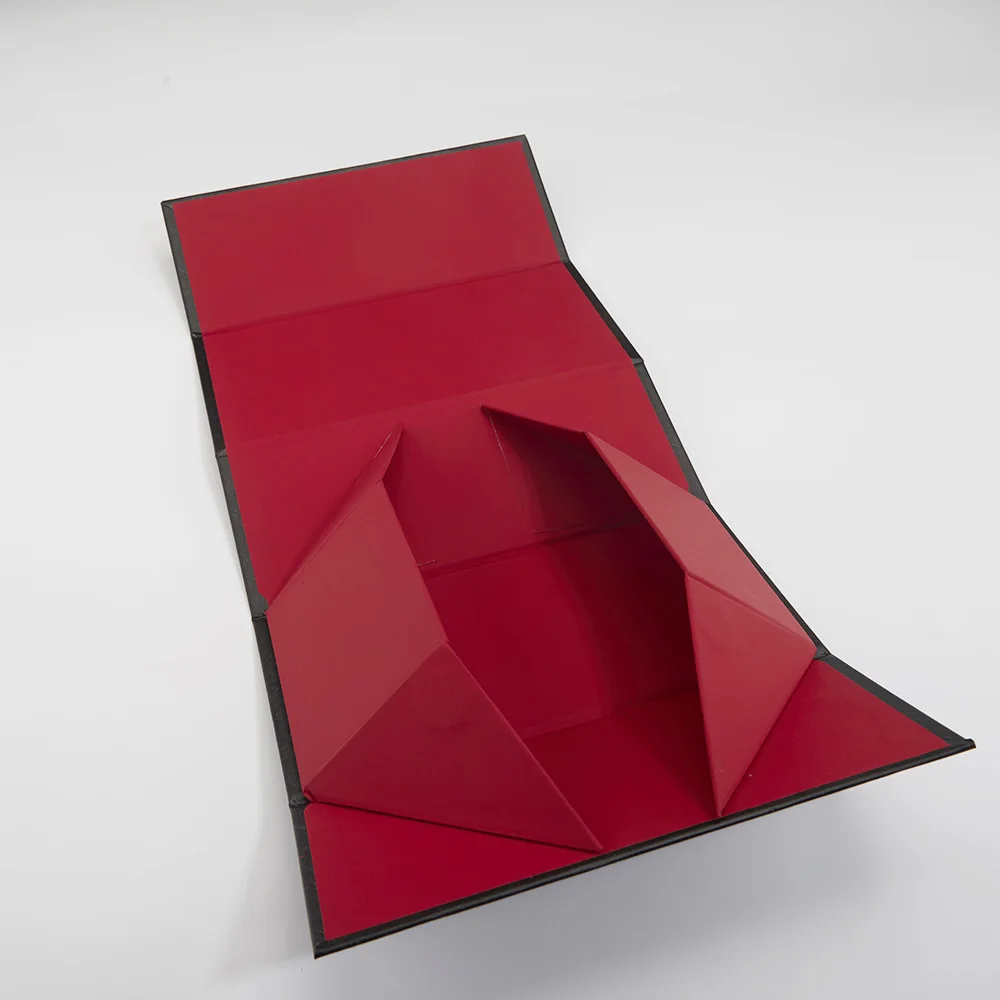
Choosing the right foldable gift box is not simply about aesthetics. It requires evaluating the structural board, the magnet grade, the finishing options, and how the box behaves across repeated use. A poorly chosen foldable gift box will lose its shape after a few openings, or its magnetic closure will weaken too quickly under shipping stress. This guide walks through the most important selection factors so you can confidently source a foldable gift box that meets both functional and branding requirements.
Board Strength and Structural Integrity
Why Board Thickness Matters in a Foldable Gift Box
The foundation of any high-quality foldable gift box is the greyboard or chipboard used in its construction. Board thickness is typically measured in millimeters, with common options ranging from 1.5 mm to 3.5 mm for a premium foldable gift box. Thicker board provides greater rigidity, which is especially important for a foldable gift box that must hold its shape after being repeatedly folded and unfolded. When the board is too thin, the foldable gift box will show creasing or warping after minimal handling, undermining the premium impression your packaging is designed to create.
For a foldable gift box carrying heavier products such as electronics, glassware, or bundled sets, a board of at least 2.5 mm is strongly recommended. The board must also be laminated with a quality outer wrap — typically coated art paper, kraft paper, or specialty textured stock — to give the foldable gift box both durability and a refined surface for print. The lamination choice affects how the foldable gift box responds to humidity, physical contact, and surface finishes such as soft-touch matte or glossy UV.
Fold Score Quality and Box Recovery
A foldable gift box relies on precision scoring to fold flat without cracking the outer material. Poor scoring on a foldable gift box causes the outer paper layer to split or bubble at the fold lines, which immediately signals low quality to the end user. When evaluating a foldable gift box supplier, always request a physical sample and fold it at least five to ten times to test the score integrity. A well-made foldable gift box will recover its full rectangular form after each fold, with no visible damage to corners or edges.
Magnetic Closure Strength and Grade
Understanding Magnet Types Used in a Foldable Gift Box
The magnetic closure is arguably the most critical functional element of a foldable gift box. The most common magnet used in a foldable gift box is a neodymium magnet, embedded between the outer wrap and the inner board layer. Neodymium magnets offer a strong pull force in a compact form, which is why they are the industry standard for any foldable gift box targeting a luxury or premium market segment. The grade of the neodymium magnet — typically N35 to N52 — determines how securely the foldable gift box closes and how long the magnetic force is retained over time.
A foldable gift box using lower-grade or smaller magnets may feel loose during closure, which creates a poor unboxing experience. For a foldable gift box used in high-volume gifting campaigns or retail environments, magnet pull strength should be tested against the weight and depth of the box. A deeper foldable gift box requires stronger magnets positioned at multiple points along the lid edge to ensure even and secure closure across the full surface.
Magnet Placement and Alignment Precision
Proper magnet alignment inside a foldable gift box is just as important as magnet grade. If the magnets in a foldable gift box are misaligned during production, the lid will sit unevenly or produce an off-center snap. This misalignment is a common quality control failure in low-cost foldable gift box production. When reviewing samples, gently test the closure from different angles to ensure the foldable gift box lid lands consistently in the same position every time. Reliable alignment is a mark of tight manufacturing tolerance and good process control.
Surface Finishing and Print Customization
Choosing the Right Finish for Your Foldable Gift Box
The outer surface of a foldable gift box is a direct extension of your brand identity. Common finishing options for a foldable gift box include soft-touch matte lamination, gloss lamination, spot UV coating, hot stamping, embossing, and debossing. Soft-touch matte lamination remains the most popular choice for a luxury foldable gift box because it creates a velvety tactile impression that reinforces perceived value. When combined with foil hot stamping, a foldable gift box achieves a premium look that is immediately associated with high-end brands in beauty, fashion, and electronics.
When specifying print for a foldable gift box, ensure that the design accounts for bleed areas and color consistency across the folded and unfolded states. A foldable gift box printed with intricate patterns must have precise registration to avoid misaligned graphics at the fold lines. Request pre-production proofs in the form of physical mock-ups for any foldable gift box order where brand accuracy is critical. Digital proofs alone are not sufficient for evaluating how color and finish will appear on the final foldable gift box surface.
Interior Lining and Insert Compatibility
The interior of a foldable gift box should complement the exterior finish and protect the enclosed product. Common interior options for a foldable gift box include EVA foam inserts, satin ribbon pulls, velvet lining, or corrugated paper trays. The insert must be sized precisely for the foldable gift box cavity to prevent movement during transit. A well-designed interior transforms a foldable gift box from simple packaging into a complete branded experience that adds perceived value for the recipient.
FAQ
What board thickness is best for a foldable gift box with magnetic closure?
For most applications, a foldable gift box with magnetic closure performs best with a board thickness between 2.0 mm and 2.5 mm. Heavier products or larger formats may require a foldable gift box with 3.0 mm board to maintain structural integrity through repeated use and shipping.
How many magnets should a standard foldable gift box have?
A standard foldable gift box typically uses two magnets positioned symmetrically along the lid edge. Larger or wider formats of a foldable gift box may use four magnets to ensure even closure across the full lid width without any gaps or tilting.
Can a foldable gift box be shipped flat to reduce freight costs?
Yes, one of the primary advantages of a foldable gift box is its ability to ship flat, significantly reducing volume and freight cost compared to pre-assembled rigid boxes. A well-manufactured foldable gift box can be assembled by hand in seconds without any tools or adhesive, making it highly practical for both warehouse storage and end-user fulfillment.

