 EN
Every founder who has tried to order branded packaging meets the same wall: the quote arrives, and the minimum order quantity (MOQ) is ten times larger than the first production run. Suddenly the packaging meant to launch a product threatens to swallow the entire launch budget. Understanding MOQ is therefore not a minor commercial skill — it is the first negotiation a young brand has to win.
The encouraging part is that MOQ is not a law of physics. It is an outcome of how a factory sets up its machines, buys its material, and prices its risk. It means understanding those three costs, and once you do, you can negotiate.
Understanding MOQ as a Pricing Mechanism
MOQ is the smallest number of units a manufacturer will produce in a single order at a given unit price. It exists because every custom packaging run carries fixed costs that do not shrink with volume: preparing artwork, cutting dies or tooling, setting up print cylinders, calibrating colour, running test sheets, and stopping the line to change over.
If a factory produces only 200 boxes, those fixed costs are spread across 200 units and the unit price becomes unworkable for both sides. Raise the quantity and the fixed cost per unit falls sharply. That is the whole logic behind the minimum. Understanding MOQ starts with accepting that it is a pricing mechanism, not a rejection.
Why Understanding MOQ Matters Most to Startups
Established brands order in large, predictable batches and treat the minimum as a rounding error. Startups face the opposite situation:
- Cash is tight. Every dollar locked in inventory is a dollar not spent on marketing.
- Demand is unproven. Ordering 10,000 units before the first sale is a gamble.
- Storage is limited. A garage or small warehouse cannot absorb a year of packaging.
- Design is still moving. Early products often change size, weight, or branding within months.
The instinct is to demand tiny quantities at large-volume prices. That is impossible, but the goal behind it — low financial risk — is entirely achievable. Understanding MOQ as a risk-sharing problem rather than a take-it-or-leave-it number is the mental shift that unlocks the whole conversation.
Understanding MOQ: The Five Levers That Actually Move It
1. Simplify the structure
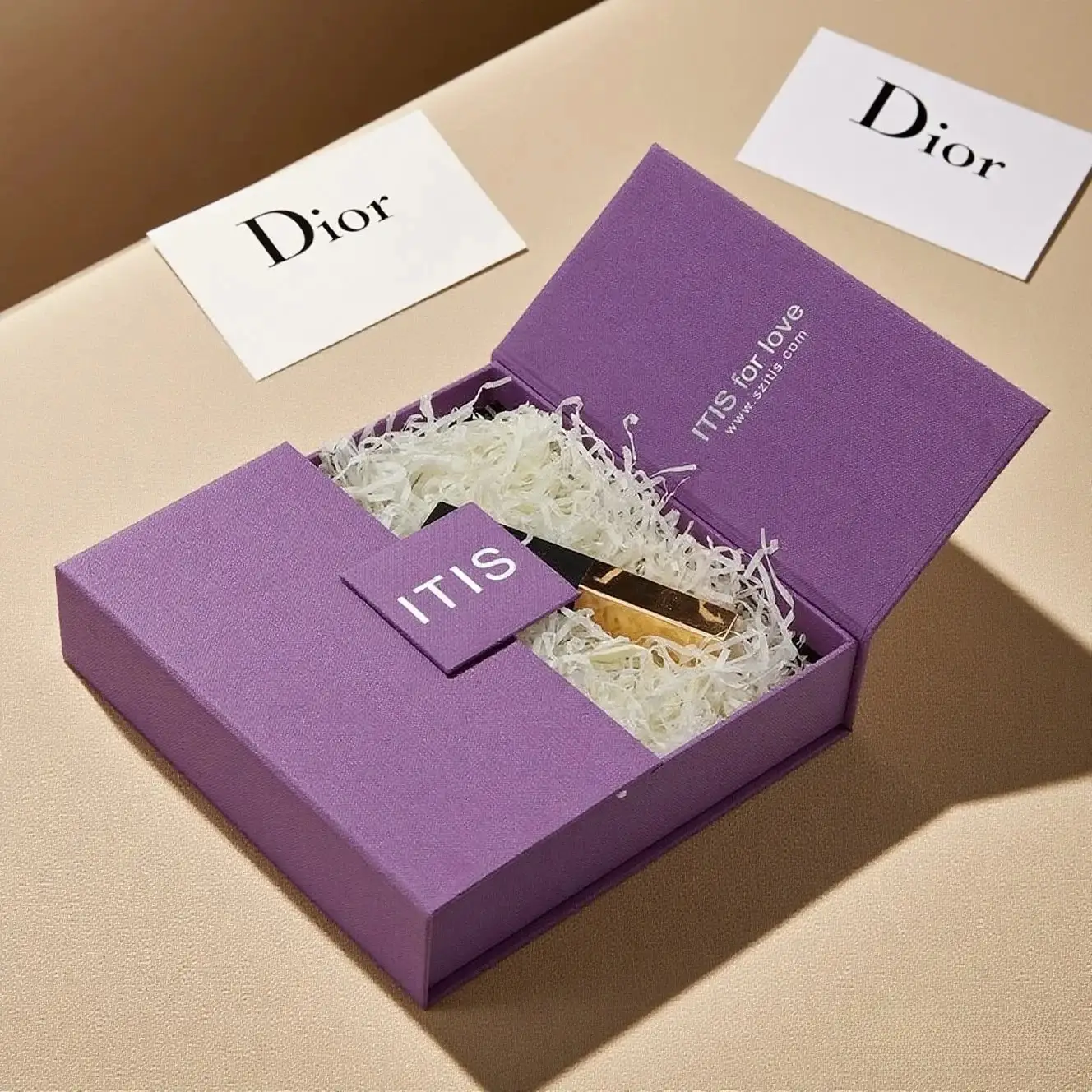
Complex builds — magnetic closures, drawer mechanisms, multi-piece inserts, hand-assembled ribbon pulls — carry more setup cost than a straightforward folding carton. Choosing a simpler structure for a first run lowers the effective minimum because fewer tooling steps are needed. Understanding MOQ levers begins with structure: the fewer operations a box requires, the smaller the fixed cost that has to be recovered.
2. Standardise sizes and share tooling
If several products can share one box size, the tooling investment is spread across all of them. A brand selling three candle sizes might use one box format with three inserts rather than three entirely separate boxes. Understanding MOQ also means understanding SKU consolidation, because shared dimensions dilute the minimum across every product that uses them.
3. Combine orders across the year
Instead of placing four small orders, commit to one annual volume with staged deliveries. The factory receives the volume it needs to justify setup; the brand receives better unit pricing and pays only as stock is released. Understanding MOQ across a full year, rather than a single drop, changes the arithmetic entirely.
4. Start with widely available materials
Exotic finishes, unusual board calipers, and special laminates often carry larger minimums from upstream suppliers. Choosing a widely available, eco-friendly board for the launch run keeps material minimums low without looking cheap. Understanding MOQ means recognising that material choice is part of the fixed-cost equation, not just an aesthetic decision.
5. Use the sampling stage to de-risk
Custom packaging is quoted per specification, so there is no universal price list — but sampling lets a startup validate before committing. Samples are produced within 3 working days, and the sample charge is normally refundable once mass production is confirmed. Understanding MOQ is far easier once you are holding a physical sample and can see exactly what the money buys.
Understanding MOQ When You Read a Quote
When a quote arrives, separate it into three buckets: material, conversion, and setup. Understanding MOQ inside a quote means identifying which bucket is actually negotiable. Material and conversion scale roughly with quantity; setup is the negotiation zone. If a supplier refuses to discuss setup at all, that is a signal about how flexible the relationship will be.
Two structural facts to plan around:
- Payment terms. 50% deposit at order confirmation, with the balance before delivery. Budget for the deposit at confirmation, not at shipment.
- Lead times by volume. Sample lead time is within 3 working days. Production runs 12 working days for 1K–10K pcs, 12–15 working days for 10K–50K pcs, and 15–20 working days above 50K pcs. Planning backwards from a launch date usually reveals that a slightly higher quantity costs less time than expected.
Understanding MOQ in Practice: A Startup Plan
Understanding MOQ in practice comes down to a sequence any founder can follow.
- Lock the product dimensions before speaking to any supplier. Packaging prices are meaningless without them.
- Prepare print-ready artwork in AI, PDF, CDR, PSD, or EPS format. In-house designers can adjust files, but starting from clean artwork avoids delays.
- Request a sample and test it with a real product inside the real shipping carton.
- Negotiate quantity, not only price. Ask what volume unlocks the next price tier, then decide whether staged deliveries make that volume affordable.
- Keep the first run tight, then scale. Prove demand, then reorder at a volume that improves unit economics.
- Build the relationship. A supplier that has shipped for more than 20 years treats repeat clients differently from one-off buyers — the second order is almost always smoother than the first.
Understanding MOQ and the Mistakes That Inflate Cost
Startups frequently lose money on packaging for avoidable reasons. Understanding MOQ mistakes usually begins before the brief is even written:
- Ordering before the design is final, which forces a reprint.
- Choosing a bespoke structural shape when a standard format would look identical on the shelf.
- Forgetting that inserts, tissue, and closure details are separate line items.
- Ignoring the shipping carton that protects the premium box in transit.
- Underestimating storage, then paying for space that quietly eats the savings.
Discussing all of these early keeps the launch budget intact and turns a stressful first order into a routine one.
Understanding MOQ Without Damaging the Relationship
Negotiation works best when it is collaborative rather than adversarial, and a few habits keep the conversation productive.
Be transparent about constraints. Explain your launch quantity, budget ceiling, and timeline. When a client says that 2,000 units is what the business can support, a good supplier can propose a structure or material that fits that reality instead of simply quoting the standard minimum.
Ask what unlocks the next tier. Rather than haggling on a single line item, ask how quantity, structure, or delivery schedule affects the quote. Each project is priced individually, so the answer is specific to your specification rather than a generic discount policy.
Offer a commitment, not just a request. A brand that commits to a full-year volume in staged drops gives the factory the predictability it needs to lower the entry point.
Respect the fixed costs. Tooling, colour calibration, and setup are real expenses. Instead of asking a manufacturer to absorb them, ask how to reduce them — through a simpler structure, a shared size, or a widely available material.
Think in seasons, not orders. A startup that returns every season becomes a client whose long-term value justifies flexibility. Many supplier relationships begin with a single small run and grow into global programs, precisely because the first order was handled with the same care as the hundredth.
Frequently Asked Questions
Is there a published price list? No. All packaging is customised, so any change to size, material, or finish changes the price. Quotes are issued against each specific request.
Can the sample cost be refunded? Yes — the sample charge is normally refundable when mass production is confirmed.
What is the fastest way to get a quote? Send product dimensions, quantity, material preference, and print-ready artwork. The more complete the brief, the faster the answer.
How does payment work? A 50% deposit at order confirmation, with the remaining 50% before delivery.
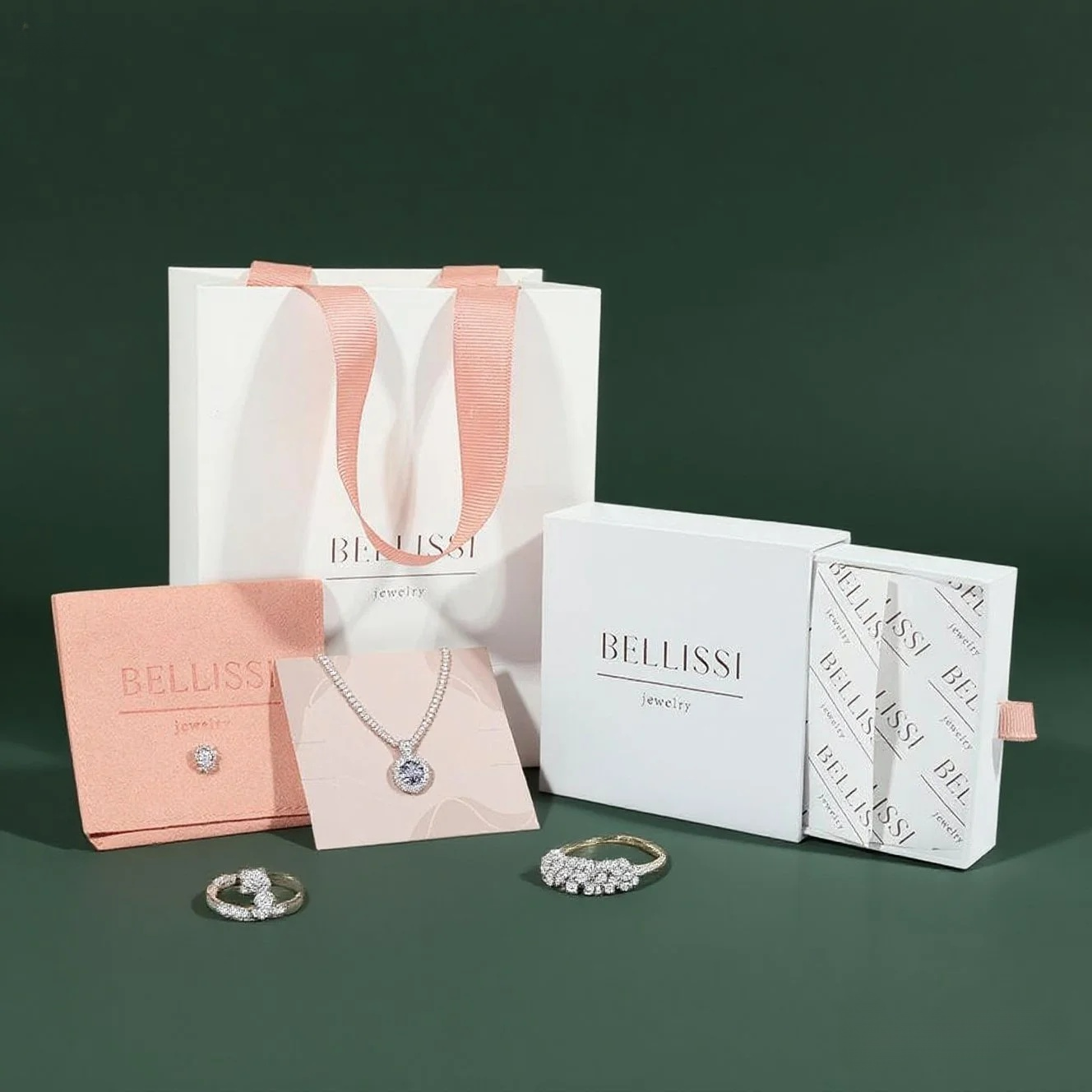
Before you ask for a quote, it helps to browse the product ranges. A Holiday Gift Box or a Luxury Packaging Box often gives a young brand a premium look at a workable volume, and coordinated Paper Bags & Accessories complete the presentation for retail and events.
The Bottom Line
Understanding MOQ is a conversation about fixed costs, not a locked gate. Startups that understand setup economics, simplify the first structure, standardise sizes across SKUs, and lean on sampling routinely negotiate terms that large brands take for granted. With more than two decades of manufacturing experience, a 20+ line production floor, and a genuinely one-stop service covering design, prototyping, printing, and finishing, a partner such as ITIS Packaging is built to help small brands grow into large ones — starting from the very first order.
Table of Contents
- Understanding MOQ as a Pricing Mechanism
- Why Understanding MOQ Matters Most to Startups
- Understanding MOQ: The Five Levers That Actually Move It
- Understanding MOQ When You Read a Quote
- Understanding MOQ in Practice: A Startup Plan
- Understanding MOQ and the Mistakes That Inflate Cost
- Understanding MOQ Without Damaging the Relationship
- Frequently Asked Questions
- The Bottom Line

