 EN

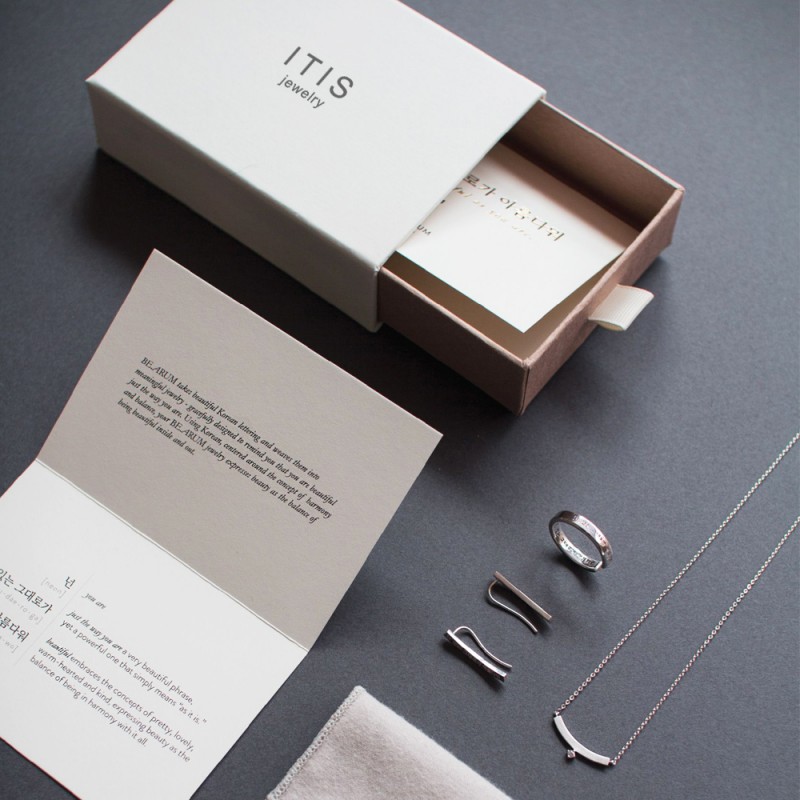
A rigid box announces itself before it is opened. It does not flex when you lift it, it does not bow when stacked, and it holds a crisp, architectural edge that a folding carton can never imitate. That solidity is not a matter of luck. It begins with the material at the core: high-density grayboard, the unseen skeleton that gives every premium box its shape and its strength.
In this article we examine what grayboard is, why its density is the single most important specification in rigid packaging, and how the right board keeps a box looking immaculate from the factory to the customer's hands.
What Is Grayboard?
Grayboard is a thick, recycled paperboard made by layering pulp fibers and pressing them into dense sheets. It is also known as chipboard, bookbinding board, or, in some markets, gray chip. Its characteristic gray color comes from the recycled fiber content and the absence of bleaching.
Because grayboard is produced from recovered paper, it is inexpensive, widely available, and highly sustainable. But not all board is equal. The variable that separates a flimsy sheet from a structural panel is density — the mass of fiber packed into a given volume — and density is what determines whether a box holds its form or slowly loses it.
Why Rigid Boxes Depend on Grayboard
The defining feature of a rigid box is that its walls do not collapse. It has no built-in self-locking structure to rely on; instead, it depends entirely on the stiffness of the board and the precision of the wrap. The board carries the load, resists bending, and holds the geometry that the printed paper simply decorates.
Remove that core, or replace it with a lighter grade, and the consequences appear immediately. Corners soften, lids no longer sit flat, and the box develops a slight twist. Grayboard is therefore not a hidden cost to be minimized; it is the reason the box exists as a premium object at all.

How Density Drives Performance
Density sits at the center of every meaningful property of grayboard. A denser sheet has more fiber per unit volume, which raises stiffness, improves dimensional stability, and makes the board harder to dent or crush. When brands specify "high-density board," they are asking for exactly this combination.
Stiffness matters most, because a rigid box is essentially a small bridge. When boxes are stacked in a warehouse or pressed together during shipping, the top and bottom panels must resist bowing. A high-density board handles that load with a thin profile, while a low-density substitute must be made thicker to achieve the same stiffness — and a thicker board wastes space, adds weight, and can throw off the fit of the lid.
Where Grayboard Sits in the Structure
Every rigid box is built from a small set of grayboard components. The base panel forms the floor, the side walls create the depth, and the lid is assembled as its own nested structure sized to seat over the base. A collar, or neck, is often added inside the base to support the product and reinforce the walls.
Because these parts must fit together with a controlled gap, the caliper of each piece has to be consistent. If one sheet runs heavy and another runs light, the lid will fit some units and bind on others. High-quality grayboard is manufactured to tight thickness tolerances precisely so that assembly remains predictable at scale.
The Invisible Enemy: Moisture
Paper is hygroscopic, which means it absorbs and releases moisture from the surrounding air. For the board, that behavior is a serious risk. A board that absorbs moisture will swell, warp, and lose stiffness, and a wrapped box built from swollen board may develop a bulge or a lid that no longer closes cleanly.
High-density board resists this better than loose, low-density board because its compressed fiber structure leaves less void space for water to occupy. Combined with controlled factory humidity and proper storage, a denser board keeps a box dimensionally stable through changes in climate — a critical property for products that ship across continents.
Choosing the Right Thickness
Thickness and density work together, but they are not the same thing. Two boards of identical thickness can differ dramatically in stiffness if their densities differ. That is why a specification should name density as well as caliper, and why substituting a thicker low-density board for a thinner high-density one usually produces a heavier box that performs worse.
As a general rule, small jewelry and watch boxes use thinner high-density board to keep the lid light and the profile elegant, while larger gift boxes and presentation sets use heavier board to support the additional span. The right choice depends on the box's dimensions, the weight it will carry, and how it will be stacked.
Warning Signs of Low-Grade Board
Cheap board announces itself in predictable ways. It feels light for its thickness and flexes easily in the hand. Its cut edges look fuzzy and crumbly rather than clean. It may have visible density variations, with soft patches alongside harder ones, and it tends to warp when exposed to humidity.
In a finished box, these flaws show up as soft corners, a wobbly lid, and a surface that telegraphs every inconsistency in the board beneath. Because the board sits under the wrap, a defect at the core cannot be hidden by better printing. Quality in rigid packaging is built from the inside out, and it starts with the core.
How Grayboard Shapes the Unboxing Experience
The unboxing experience is a tactile event, and most of what the customer feels is the board. A high-density box feels substantial and cold to the touch, closes with a reassuring weight, and holds its shape as the lid is lifted. A box built on weak board feels hollow and flexes under the fingers.
Brands spend heavily on the visible layer — foil, embossing, soft-touch lamination — but the board is what makes those finishes look as though they belong on a premium object. A flawless surface wrapped around a flimsy core produces a mismatch that customers sense even if they cannot name it.
Grayboard and the Environment
Because it is made from recycled fiber, it is one of the more sustainable materials in packaging. It can be recycled again at end of life, and its density means less material is required to achieve a given level of strength. A well-specified high-density board can outperform a thicker virgin-fiber alternative while using less raw material overall.
Using the correct density also reduces waste in a subtler way. Boxes that hold their shape survive transit better, generate fewer returns, and are more likely to be kept and reused by the customer. Durability is a sustainability strategy, and the board is where that durability begins.
Quality Control for Grayboard
Because the board is invisible in the finished product, it must be verified during production rather than inspected at the end. We check incoming board for caliper, density, moisture content, and flatness before it enters the line, rejecting sheets that fall outside specification.
In-process checks then confirm that cut components match the dieline and that assembled boxes hold the required internal dimensions. By testing the core material directly, we catch problems that a visual inspection of the wrapped box would never reveal. Good board control is therefore a quiet form of quality assurance.
Common Mistakes Buyers Make
The most common mistake is specifying thickness without specifying density. This invites suppliers to substitute a cheaper, softer board of the same caliper, which satisfies the number on the drawing while quietly degrading the finished box. Always name both values, and ask for a sample so you can feel the difference.
The second mistake is storing finished boxes in an uncontrolled environment. Even excellent grayboard will warp if it sits in a humid warehouse for months, so climate control is part of protecting your investment. The third mistake is judging a box only by its print. Open the lid, press the walls, and test the corners — the board will tell you what the surface cannot.
Specifying Grayboard With Confidence
A reliable partner will help you choose the density and caliper that match your product, volume, and shipping conditions rather than defaulting to whatever is on the shelf. Ask for the board specification in writing, request samples that use the actual material, and confirm how consistency will be maintained across reorders.
We build our rigid boxes around precisely specified high-density grayboard because we know it is the foundation of everything the customer feels. You can see the results across our luxury packaging box collection, or read more about our materials and process on the about us page.
The Bottom Line
Rigid packaging earns its reputation through structure, and structure begins with grayboard. Density determines stiffness, dimensional stability, and moisture resistance; caliper determines fit; and consistency across both determines whether ten thousand boxes behave like one.
When a box feels solid, closes cleanly, and arrives undamaged, that experience was engineered at the core. Choosing high-density grayboard is not a detail to be trimmed for cost — it is the decision that makes a rigid box rigid. Get it right, and every finishing touch above it has a foundation worth building on.
Table of Contents
- What Is Grayboard?
- Why Rigid Boxes Depend on Grayboard
- How Density Drives Performance
- Where Grayboard Sits in the Structure
- The Invisible Enemy: Moisture
- Choosing the Right Thickness
- Warning Signs of Low-Grade Board
- How Grayboard Shapes the Unboxing Experience
- Grayboard and the Environment
- Quality Control for Grayboard
- Common Mistakes Buyers Make
- Specifying Grayboard With Confidence
- The Bottom Line

