 EN
EN


When you invest in a luxury timepiece, the presentation matters as much as the product itself. A custom watch box serves as the first impression customers receive, and when paired strategically with authentic luxury brand certificates, it creates a cohesive story of authenticity and exclusivity. Understanding how to coordinate a watch box with official documentation transforms a simple packaging decision into a comprehensive brand experience that reinforces trust and perceived value.
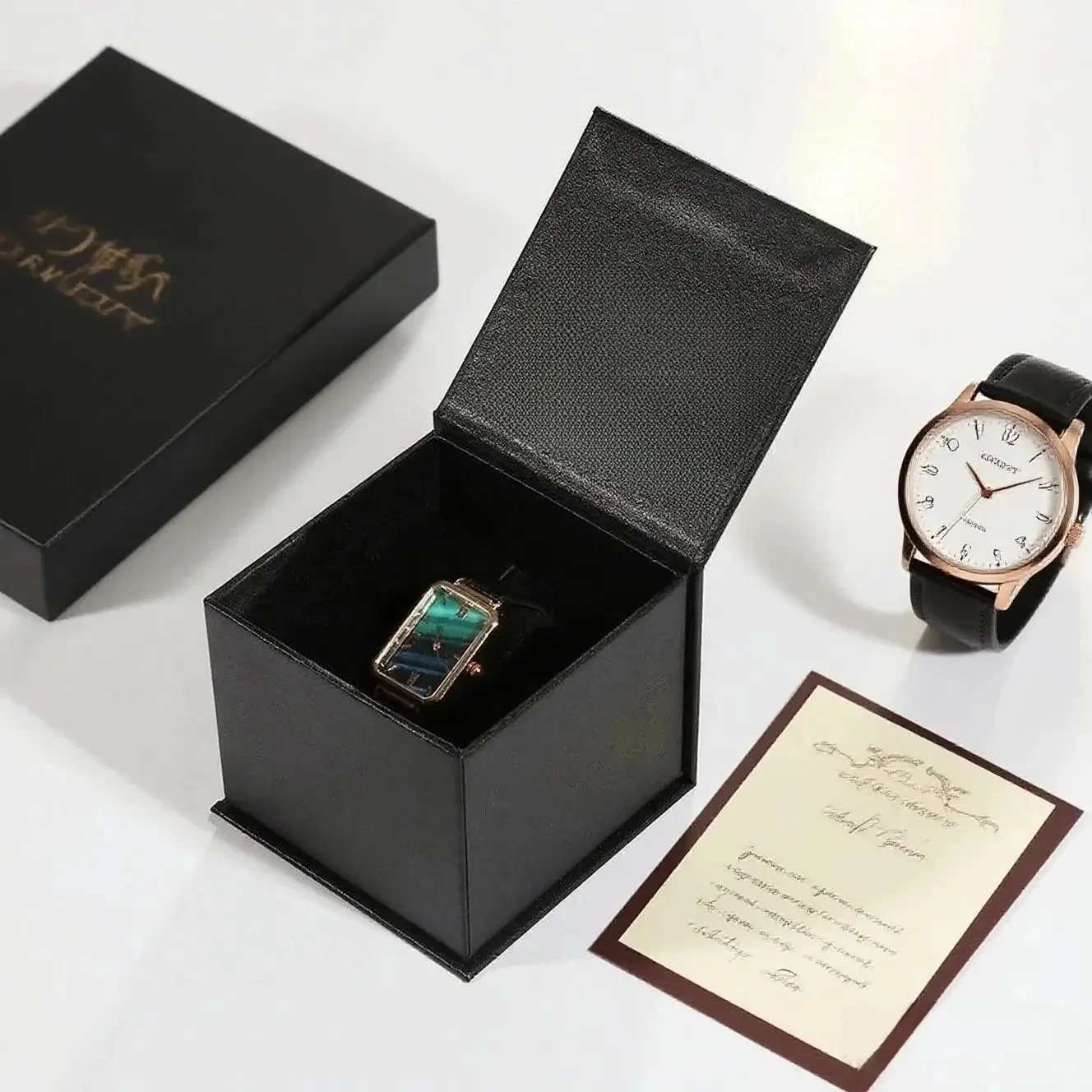
The relationship between a watch box and brand certificates goes beyond aesthetics. Luxury consumers expect consistency, quality alignment, and evidence that their purchase is genuine. A well-designed watch box reinforces the brand's positioning, while aligned certificates provide verifiable authenticity. This pairing strategy ensures that unboxing becomes a memorable moment that justifies premium pricing and builds long-term customer loyalty.
Aligning Watch Box Design With Certificate Presentation
Creating Visual Harmony Between Packaging and Documentation
Your watch box should complement the visual language of your luxury brand certificates. This means coordinating color schemes, typography, and material quality so that both elements feel intentional rather than assembled from separate sources. When a customer opens a watch box and encounters a certificate, the design continuity signals professionalism and attention to detail. A custom watch box with premium finishes—such as embossed logos, silk linings, or specialty materials—paired with matching certificate stock and design creates an impression of unified brand control.
The layout and structure of your watch box should accommodate certificate storage logically. Many luxury brands include a dedicated certificate pocket or compartment within the watch box, ensuring the documentation remains pristine and organized. This design integration means the certificate becomes part of the unboxing experience rather than an afterthought. When customers see a watch box that was intentionally engineered to hold their certificate, they perceive higher build quality and respect for the authentication process.
Matching Material Quality and Premium Perception
Both your watch box and certificates must communicate the same quality tier. If your watch box features premium materials like lacquered wood, velvet, or specialty textiles, your certificates should be printed on equivalent stock—heavyweight cardstock, security paper, or embossed materials that feel substantial. This material consistency prevents the watch box from appearing luxury while the certificate feels budget-oriented. A high-end watch box paired with thin, standard certificate paper undermines brand credibility and suggests cost-cutting that contradicts premium positioning.
Consider how your watch box handles light and touch. Matte finishes, soft-close mechanisms, and quality hardware all communicate luxury. Your certificates should evoke similar craftsmanship through textures, finishes, and production techniques. Holographic elements, metallic inks, security features, and specialty printing on certificates mirror the thoughtful engineering evident in a custom watch box. This multi-sensory alignment ensures customers perceive both elements as products of the same brand integrity.
Strategic Certificate Placement Within Watch Box Storage
Designing Compartments and Access Points
A strategically designed watch box should include dedicated storage for certificates that keeps them protected while remaining easily accessible. Many luxury brands position a certificate pocket on the inside cover or base of the watch box, ensuring documents are stored flat and secure without compromising the main compartment used for the timepiece. This watch box architecture prevents certificate creasing, moisture exposure, and disorganization that might otherwise reduce perceived authenticity.
Some premium watch box designs include a secondary interior box or envelope specifically for certificates, warranties, and instruction materials. This compartmentalization communicates that documentation is valued as an essential component of ownership rather than optional paperwork. When a customer opens their watch box and discovers an organized system with dedicated spaces for their certificate, they experience a tactile demonstration of brand professionalism. The watch box becomes a storage solution that extends beyond the initial unboxing moment into long-term safekeeping.
Protective Elements and Presentation Sequencing
The watch box should protect certificates from environmental degradation through material selection and design features. Acid-free tissue, protective sleeves, or sealed compartments prevent certificates from yellowing, creasing, or staining over years of storage. This protection strategy aligns with the certificate's purpose as a permanent proof of authenticity that customers may reference during resale or appraisal. A watch box that demonstrates protection-focused design signals that your brand respects the long-term value of customer documentation.
Consider the sequence in which customers encounter components within the watch box. Many luxury brands structure the unboxing so that certificates are discovered after the timepiece itself, building narrative around the product before introducing validation documentation. Others place certificates at the front to establish authenticity immediately. The watch box structure should support your chosen sequencing through clear visual hierarchy and logical compartmentalization. This deliberate design ensures the opening experience reinforces your brand message and authentication strategy.
Building Trust Through Coordinated Authenticity Systems
Integrating Security Features Across Watch Box and Certificate
Both your watch box and certificates should incorporate aligned security features that are difficult to counterfeit. Serial numbers visible on the watch box exterior should match those printed on the certificate, creating cross-verification opportunities for customers and future valuators. Holograms, sequential numbering, security inks, and unique identifiers all contribute to a cohesive anti-counterfeit strategy that spans both packaging and documentation. When customers see these matching security elements, they experience concrete proof that your watch box and certificate come from the same authorized source.
QR codes or digital verification systems can be integrated into both the watch box and certificate, enabling customers to authenticate their purchase through mobile technology. A watch box with a scannable code linking to a certificate database creates multiple verification touchpoints that build confidence in product legitimacy. This coordinated approach to security ensures that the watch box functions as more than protection—it becomes an active component of the authentication ecosystem. Customers who scan codes and receive instant verification associate the watch box with brand accountability and transparency.
Reinforcing Brand Authority and Customer Confidence
The perception of authenticity depends on consistent brand messaging across the watch box and certificate. Both should display identical logos, registered trademarks, copyright statements, and brand names positioned consistently. Language on the watch box exterior should reference the included certificate, and the certificate should reference watch box specifications, creating clear brand continuity. This redundancy prevents customers from feeling uncertain about whether components belong together or if something has been substituted or damaged.
Customer communication materials should emphasize the relationship between the watch box and certificate as intentional brand strategy. Warranty information, care instructions, and authenticity guides included within the watch box should reference the certificate's role as permanent proof of purchase. When customers understand that the watch box and certificate represent coordinated brand systems designed for their protection, they develop stronger emotional connection to the product ecosystem. This knowledge transforms routine packaging into a demonstration of comprehensive brand care.
FAQ
Should the watch box include the certificate or store it separately?
The watch box should include dedicated storage for the certificate as part of the package contents. This ensures customers receive a complete, organized system and prevents certificates from becoming lost or separated from their corresponding watch box. Including the certificate within the watch box packaging also simplifies shipping logistics and reduces the risk of damage or misplacement during delivery. Most luxury brands design watch box compartments specifically to accommodate certificates as part of the intended unboxing experience, reinforcing the perception of a unified product system.
How can I make the watch box and certificate coordinate visually?
Coordinate the watch box and certificate through consistent color palettes, typography, logo placement, and finish treatments. Use the same brand colors and fonts across both elements, ensure logos are proportionally similar, and match material qualities—if the watch box features matte finishes, use matte-finish certificate paper. Consider incorporating matching design elements like borders, security features, or embossed details that appear on both the watch box and certificate. This visual alignment signals to customers that both components were thoughtfully designed as integrated brand expressions rather than sourced from different suppliers.
What security features should appear on both the watch box and certificate?
Include security features on both the watch box and certificate such as sequential serial numbers, holograms, watermarks, security inks, and unique identifiers. Ensure these features match between components so customers can cross-verify authenticity—the serial number on the watch box should match the certificate number, and any hologram should appear identically on both. Consider adding QR codes to both elements linking to a verification database, enabling customers to authenticate their purchase through digital technology. Security features provide concrete evidence of brand control and make counterfeiting significantly more difficult for bad actors.

