 EN
EN

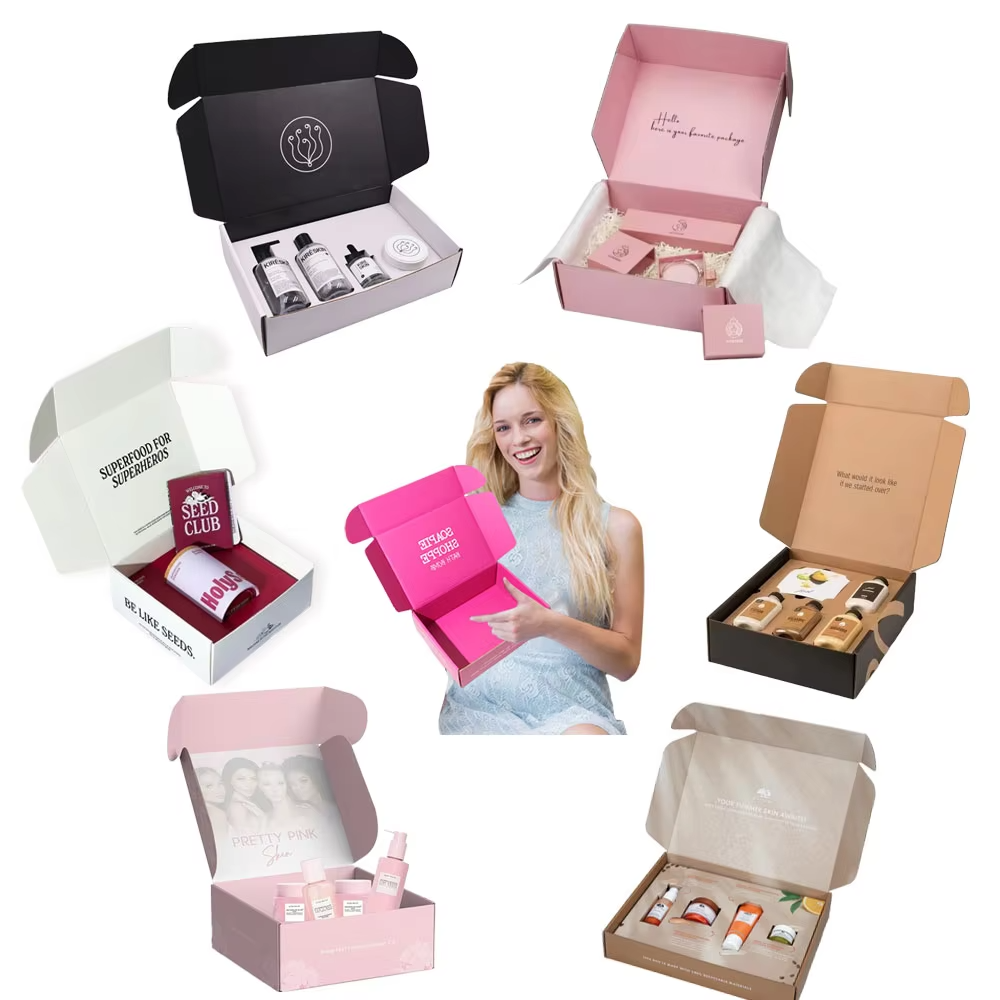
Premium jewelry brands understand that exceptional jewelry packaging serves as the first tangible touchpoint between their exquisite creations and discerning customers. The selection of appropriate jewelry packaging extends far beyond mere protection, encompassing brand storytelling, customer experience enhancement, and market positioning strategies that directly influence purchasing decisions and brand perception in the competitive luxury market.
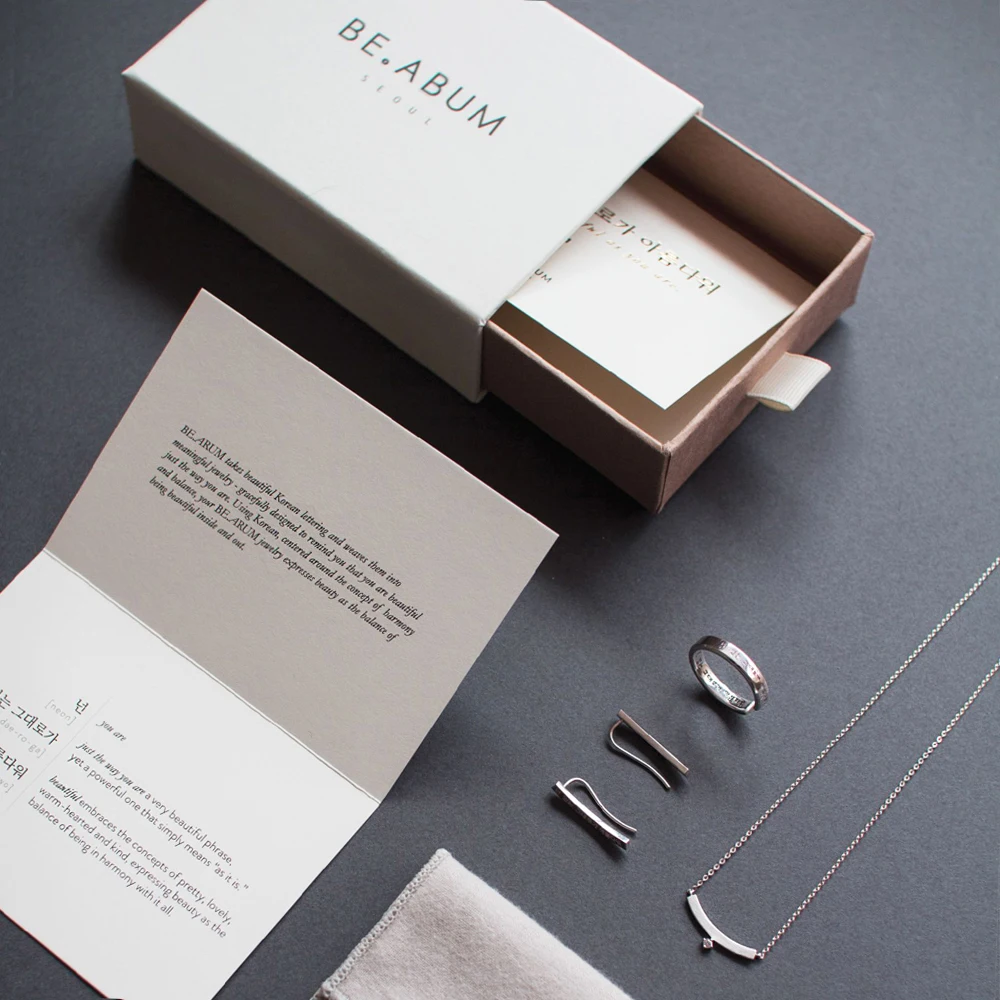
The strategic importance of jewelry packaging in premium positioning cannot be overstated, as it communicates brand values, quality standards, and exclusivity to consumers who expect nothing less than perfection. Successful brands recognize that their packaging choices directly impact customer perception, unboxing experiences, and long-term brand loyalty, making these decisions critical components of their overall marketing and positioning strategies.
Strategic Brand Alignment Through Packaging Design
Brand Identity Integration
Effective jewelry packaging seamlessly integrates brand identity elements, including color schemes, typography, and visual aesthetics that reinforce brand recognition and market positioning. Premium brands carefully consider how their packaging reflects their core values, whether emphasizing traditional craftsmanship, modern innovation, or sustainable practices that resonate with their target demographics.
The consistency between jewelry packaging design and overall brand messaging creates cohesive customer experiences that strengthen brand recall and emotional connections. Brands often develop comprehensive packaging guidelines that ensure every element, from box materials to closure mechanisms, aligns with their established brand personality and market positioning objectives.
Color psychology plays a crucial role in jewelry packaging selection, with premium brands leveraging sophisticated color palettes that evoke desired emotional responses and reinforce their positioning in the luxury market segment. These strategic color choices extend beyond aesthetics to psychological triggers that influence purchasing behavior and brand perception among target consumers.
Material Quality and Craftsmanship
Premium jewelry packaging demands exceptional material quality that reflects the value and craftsmanship of the enclosed products, with brands selecting materials that convey luxury, durability, and attention to detail. High-end brands often invest in premium materials such as leather, velvet, silk, or sustainable alternatives that demonstrate their commitment to quality and environmental responsibility.
The tactile experience provided by quality jewelry packaging materials creates memorable moments that enhance customer satisfaction and reinforce premium positioning strategies. Brands understand that customers evaluate quality through multiple sensory experiences, making material selection critical for maintaining consistent quality perceptions across all touchpoints.
Craftsmanship details in jewelry packaging, including precision assembly, flawless finishing, and innovative structural designs, demonstrate the brand's dedication to excellence and justify premium pricing strategies. These quality indicators help differentiate premium brands from mass-market competitors while reinforcing the exclusivity and superior value proposition that drives customer loyalty.
Target Audience Considerations and Market Research
Demographic Analysis and Preferences
Understanding target audience demographics enables brands to select jewelry packaging that resonates with specific consumer segments, including age groups, income levels, lifestyle preferences, and cultural backgrounds that influence packaging preferences. Comprehensive market research reveals insights into customer expectations, aesthetic preferences, and functional requirements that guide strategic packaging decisions.
Generational differences significantly impact jewelry packaging preferences, with younger consumers often valuing sustainability and social responsibility while mature customers may prioritize traditional elegance and perceived value. Brands must balance these diverse preferences while maintaining consistent brand identity and premium positioning across all customer segments.
Cultural considerations influence jewelry packaging choices for brands operating in international markets, requiring sensitivity to local customs, color symbolism, and aesthetic preferences that vary across different regions. Successful global brands adapt their packaging strategies to respect cultural nuances while maintaining core brand elements that ensure consistent recognition and positioning worldwide.
Purchase Occasion and Gift-Giving Factors
Different purchase occasions require distinct jewelry packaging approaches, with brands developing specialized packaging solutions for engagements, anniversaries, holidays, and self-purchase scenarios that enhance the emotional significance of each occasion. Gift-ready packaging eliminates additional preparation requirements while creating impressive presentation experiences that justify premium pricing and enhance customer satisfaction.
The psychology of gift-giving influences jewelry packaging design decisions, with brands creating packages that build anticipation, surprise, and delight throughout the unboxing experience. Strategic packaging design elements, including multiple layers, hidden compartments, or progressive reveals, enhance the emotional impact and memorable nature of jewelry presentations.
Seasonal considerations affect jewelry packaging choices, with brands developing limited-edition packaging designs that capture holiday spirits, seasonal themes, or special celebrations that create urgency and exclusivity. These seasonal adaptations allow brands to maintain customer engagement while demonstrating creativity and responsiveness to market trends and customer preferences.
Functional Performance and Protection Requirements
Product Security and Transportation
Effective jewelry packaging must provide comprehensive protection during transportation, storage, and handling while maintaining aesthetic appeal and unboxing experiences that meet premium brand standards. Security features, including tamper-evident seals, secure closures, and anti-theft mechanisms, protect valuable products while demonstrating brand responsibility and customer care.
Structural integrity ensures jewelry packaging withstands shipping stresses, retail handling, and customer use without compromising product safety or presentation quality. Brands invest in engineering solutions that balance protection requirements with design aesthetics, creating packages that perform reliably across diverse distribution channels and customer interactions.
Climate protection features in jewelry packaging prevent tarnishing, moisture damage, and temperature-related deterioration that could compromise product quality and customer satisfaction. Advanced materials and design innovations provide environmental protection while maintaining the luxurious appearance and feel that customers expect from premium jewelry brands.
Storage and Display Functionality
Multi-functional jewelry packaging designs provide ongoing value to customers through storage, organization, and display capabilities that extend the package lifecycle beyond initial purchase experiences. Brands create packaging solutions that customers retain and repurpose, providing continued brand exposure and reinforcing positive associations with the purchasing experience.
Interior organization features, including compartments, cushioning, and securing mechanisms, protect jewelry while creating organized presentation that enhances product visibility and accessibility. These functional elements contribute to customer satisfaction and demonstrate brand attention to detail and user experience considerations.
Travel-friendly jewelry packaging designs accommodate customers' mobile lifestyles while maintaining protection and organization standards that prevent damage and loss during transportation. Compact, secure, and elegant travel solutions add practical value while reinforcing brand commitment to customer convenience and lifestyle enhancement.
Sustainability and Environmental Responsibility
Eco-Friendly Material Selection
Environmental consciousness increasingly influences jewelry packaging decisions, with premium brands adopting sustainable materials and production processes that align with customer values and corporate responsibility initiatives. Eco-friendly options, including recycled materials, biodegradable components, and renewable resources, demonstrate brand commitment to environmental stewardship without compromising quality or aesthetic standards.
Sustainable jewelry packaging innovation drives material research and development, creating new options that meet environmental standards while delivering premium appearance and performance characteristics. Brands collaborate with packaging specialists to develop custom solutions that advance sustainability goals while maintaining brand differentiation and customer satisfaction.
Life cycle assessment considerations guide jewelry packaging material selection, evaluating environmental impact from production through disposal to ensure comprehensive sustainability approaches. These assessments help brands make informed decisions that balance environmental responsibility with business objectives and customer expectations.
Circular Economy Integration
Circular economy principles influence jewelry packaging design through reusability, recyclability, and closed-loop material systems that minimize waste and environmental impact. Brands develop packaging solutions that support circular economy goals while maintaining premium positioning and customer appeal through innovative design and material choices.
Customer education initiatives help brands communicate sustainability benefits and proper disposal methods for jewelry packaging, encouraging responsible behavior while reinforcing brand values and environmental commitment. Clear communication about sustainability features enhances brand reputation and customer loyalty among environmentally conscious consumers.
Partnership strategies with recycling organizations and sustainable material suppliers strengthen brand sustainability credentials while ensuring reliable access to eco-friendly jewelry packaging options. These collaborative relationships support continuous improvement in environmental performance while maintaining supply chain reliability and cost effectiveness.
Cost Optimization and Value Engineering
Budget Allocation Strategies
Strategic budget allocation for jewelry packaging balances cost control with premium positioning requirements, ensuring optimal investment in elements that most significantly impact customer perception and brand differentiation. Brands analyze cost-per-impression metrics to identify packaging features that deliver maximum value in terms of customer satisfaction and brand reinforcement.
Value engineering approaches optimize jewelry packaging costs through material selection, design simplification, and production efficiency improvements that maintain quality standards while reducing expenses. These strategies enable brands to invest savings in other areas that enhance customer experience or expand market reach while maintaining competitive pricing structures.
Volume considerations significantly influence jewelry packaging costs, with brands leveraging economies of scale through strategic ordering quantities and long-term supplier partnerships. Careful demand forecasting and inventory management optimize purchasing strategies while ensuring adequate packaging availability for seasonal fluctuations and growth opportunities.
Return on Investment Analysis
Comprehensive ROI analysis evaluates jewelry packaging investments through customer acquisition, retention, and lifetime value metrics that demonstrate packaging contribution to overall business performance. Brands track packaging-related customer feedback, repeat purchases, and referral rates to quantify packaging investment returns and guide future decisions.
Brand equity enhancement through premium jewelry packaging justifies higher investment levels by creating intangible value that supports premium pricing and customer loyalty. Long-term brand building benefits often exceed short-term cost savings from budget packaging alternatives, making quality packaging investments strategic business decisions.
Competitive advantage analysis examines how jewelry packaging investments differentiate brands in crowded markets while creating barriers to entry for competitors. Superior packaging experiences become brand differentiators that justify premium positioning and support sustainable competitive advantages in the luxury jewelry market.
Technology Integration and Innovation
Smart Packaging Features
Technology integration in jewelry packaging creates interactive experiences through QR codes, NFC chips, and augmented reality features that connect physical packaging with digital brand experiences. These innovations provide authentication, product information, care instructions, and exclusive content that enhance customer engagement and brand loyalty.
Anti-counterfeiting technologies embedded in jewelry packaging protect brand integrity and customer confidence through authentication features that verify product authenticity. Advanced security measures, including unique identifiers, blockchain integration, and tamper-evident technologies, combat counterfeiting while providing customer peace of mind.
Interactive packaging elements create memorable experiences that encourage social sharing and brand advocacy through Instagram-worthy unboxing moments and shareable content. Brands design packaging with social media optimization in mind, incorporating photogenic elements and surprise features that drive organic marketing and customer engagement.
Digital Integration Opportunities
Omnichannel integration connects jewelry packaging with digital platforms, customer accounts, and loyalty programs that create seamless experiences across online and offline touchpoints. Digital connectivity enables personalized experiences, targeted offers, and enhanced customer service that strengthen brand relationships and drive repeat business.
Data collection opportunities through smart jewelry packaging provide valuable customer insights, usage patterns, and engagement metrics that inform future product development and marketing strategies. Privacy-compliant data gathering enhances understanding of customer preferences while respecting personal information boundaries and regulatory requirements.
Future-proofing strategies ensure jewelry packaging designs accommodate emerging technologies and evolving customer expectations without requiring complete redesigns. Modular approaches and standardized interfaces enable technology updates and feature additions that maintain packaging relevance and competitive advantage over time.
Quality Control and Manufacturing Excellence
Production Standards and Specifications
Rigorous quality control standards ensure consistent jewelry packaging production that meets premium brand requirements and customer expectations across all manufacturing batches. Detailed specifications cover materials, dimensions, assembly procedures, and quality checkpoints that maintain excellence throughout the production process.
Manufacturing partner selection criteria emphasize capability, capacity, quality systems, and continuous improvement commitment that align with brand standards and growth objectives. Strategic partnerships with specialized packaging manufacturers provide access to advanced technologies, innovative materials, and expert design consultation that enhance packaging quality and performance.
Inspection protocols and testing procedures validate jewelry packaging quality, durability, and performance under various conditions that simulate real-world usage scenarios. Comprehensive testing ensures packaging meets or exceeds specifications while identifying potential improvements and preventing quality issues that could damage brand reputation.
Continuous Improvement Processes
Systematic feedback collection from customers, retailers, and internal stakeholders identifies improvement opportunities and guides jewelry packaging evolution to meet changing requirements and expectations. Regular review cycles incorporate lessons learned, market trends, and technological advances into packaging design and production processes.
Innovation initiatives drive jewelry packaging advancement through material research, design experimentation, and technology integration that maintain competitive advantage and customer satisfaction. Collaborative relationships with suppliers, designers, and technology partners support continuous innovation and market leadership in packaging excellence.
Performance monitoring systems track key metrics including defect rates, customer satisfaction, cost efficiency, and environmental impact to ensure jewelry packaging operations meet business objectives and sustainability goals. Data-driven decision making supports continuous improvement and strategic planning for packaging evolution and optimization.
FAQ
What factors most significantly influence jewelry packaging selection for premium brands
Premium jewelry brands prioritize brand alignment, target audience preferences, protection requirements, and sustainability considerations when selecting packaging solutions. The most influential factors include material quality that reflects product value, design aesthetics that reinforce brand identity, functional performance that ensures product protection, and cost optimization that maintains profitability while meeting premium positioning objectives.
How does jewelry packaging impact customer perception and purchase decisions
Jewelry packaging significantly influences customer perception through first impressions, unboxing experiences, and ongoing brand associations that shape purchasing decisions and loyalty. Premium packaging communicates quality, exclusivity, and attention to detail that justify higher pricing while creating emotional connections and memorable experiences that encourage repeat purchases and referrals.
What sustainability considerations should brands evaluate in jewelry packaging choices
Sustainable jewelry packaging evaluation includes material sourcing, production processes, transportation impact, customer usage patterns, and end-of-life disposal considerations. Brands should assess recycled content, renewable materials, biodegradability, carbon footprint, and circular economy integration while ensuring sustainability initiatives enhance rather than compromise premium positioning and customer satisfaction.
How can technology integration enhance jewelry packaging effectiveness
Technology integration enhances jewelry packaging through authentication features, interactive experiences, digital connectivity, and data collection capabilities that create value beyond traditional protection and presentation functions. Smart packaging elements including QR codes, NFC chips, and augmented reality features connect physical packages with digital experiences while providing security, information, and engagement opportunities that strengthen brand relationships and customer loyalty.
Table of Contents
- Strategic Brand Alignment Through Packaging Design
- Target Audience Considerations and Market Research
- Functional Performance and Protection Requirements
- Sustainability and Environmental Responsibility
- Cost Optimization and Value Engineering
- Technology Integration and Innovation
- Quality Control and Manufacturing Excellence
-
FAQ
- What factors most significantly influence jewelry packaging selection for premium brands
- How does jewelry packaging impact customer perception and purchase decisions
- What sustainability considerations should brands evaluate in jewelry packaging choices
- How can technology integration enhance jewelry packaging effectiveness

