 EN
EN


Retail businesses across industries rely heavily on effective packaging solutions to enhance customer experience and drive brand recognition. The paper gift bag has emerged as one of the most versatile and cost-effective packaging options for retailers seeking sustainable, attractive, and functional solutions for their merchandise. Understanding the wholesale sourcing process for these essential retail items can significantly impact both operational efficiency and profit margins for businesses of all sizes.
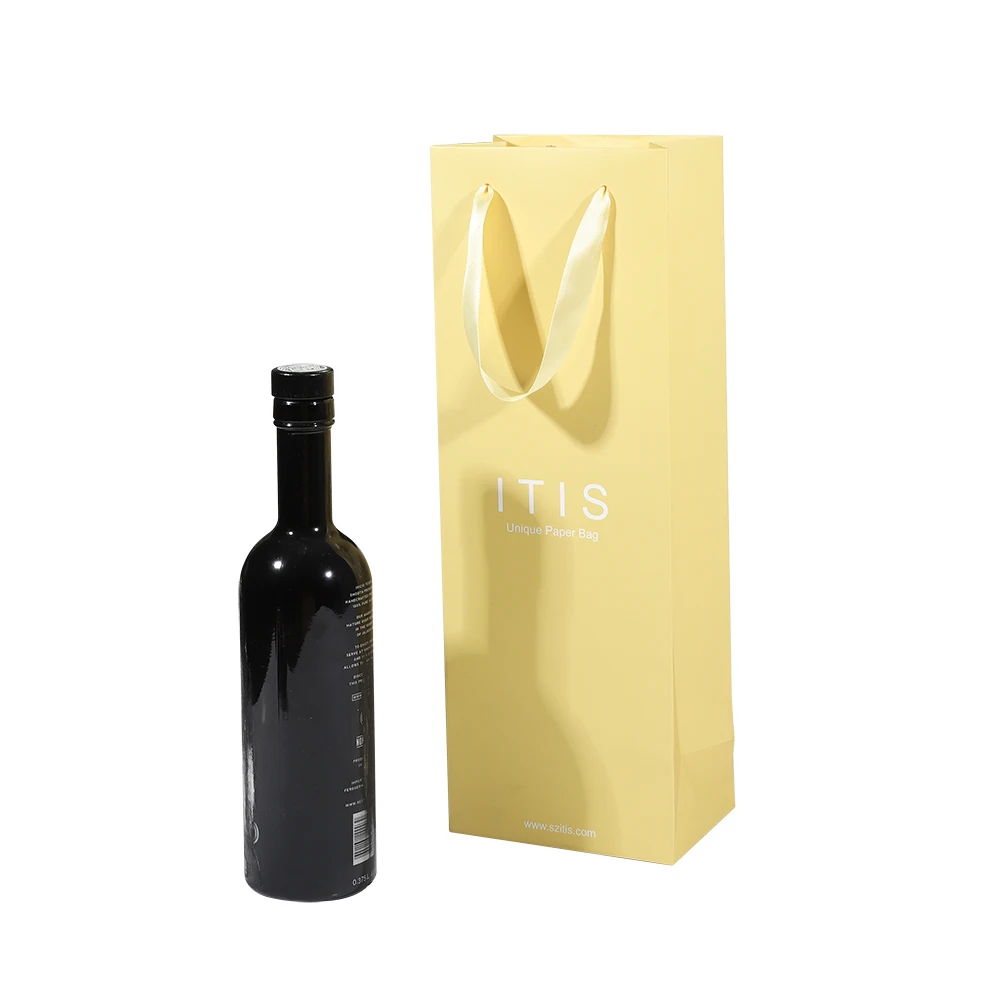
The wholesale distribution market for retail packaging has evolved considerably over the past decade, with environmental consciousness and brand differentiation driving new requirements for paper gift bag sourcing. Retailers must navigate complex supply chains, quality standards, and cost considerations while meeting customer expectations for attractive, durable packaging solutions. This comprehensive approach to sourcing requires understanding manufacturer capabilities, minimum order quantities, customization options, and delivery logistics that align with seasonal demand patterns.
Successful wholesale sourcing involves establishing relationships with reliable manufacturers who can provide consistent quality, competitive pricing, and flexible production schedules. The paper gift bag market encompasses various styles, sizes, materials, and finishing options that retailers must evaluate against their specific brand requirements and budget constraints. Modern sourcing strategies increasingly emphasize sustainability credentials, certification compliance, and supply chain transparency to meet consumer expectations and regulatory requirements.
Understanding Wholesale Paper Gift Bag Markets
Global Manufacturing Landscape
The international paper gift bag manufacturing sector spans multiple regions, with Asia Pacific countries dominating production volume due to established paper manufacturing infrastructure and competitive labor costs. China, India, Vietnam, and Indonesia represent major production hubs where retailers can source high-quality paper gift bags at scale. European manufacturers focus on premium segments with emphasis on sustainable materials and innovative design capabilities, while North American producers typically serve domestic markets with shorter lead times and specialized customization services.
Regional manufacturing capabilities vary significantly in terms of production capacity, material sourcing, quality control systems, and technological sophistication. Retailers must evaluate potential suppliers based on their ability to meet specific volume requirements, delivery schedules, and quality standards. The paper gift bag industry has experienced consolidation among major manufacturers, creating opportunities for retailers to establish preferred supplier relationships with companies offering comprehensive packaging solutions across multiple product categories.
Market dynamics continue evolving as environmental regulations influence manufacturing processes and material selection. Sustainable forestry practices, recycled content requirements, and biodegradable coating options have become standard considerations in supplier evaluation. Forward-thinking retailers prioritize manufacturers demonstrating commitment to environmental responsibility while maintaining competitive pricing and reliable production capabilities for their paper gift bag requirements.
Pricing Structure Analysis
Wholesale pricing for paper gift bags follows complex structures influenced by material costs, production volumes, customization requirements, and market demand fluctuations. Base pricing typically reflects raw material expenses including paper stock, handles, reinforcement materials, and printing components. Volume discounts become significant at higher order quantities, with many manufacturers offering tiered pricing structures rewarding larger commitments and long-term partnerships.
Customization options significantly impact pricing structures, with basic stock designs offering the lowest cost per unit while fully custom paper gift bag solutions require substantial setup fees and minimum order commitments. Printing complexity, handle styles, finish treatments, and special features like windows or closures add incremental costs that retailers must factor into their sourcing decisions. Seasonal demand patterns also influence pricing, with peak periods like holiday shopping seasons commanding premium rates due to capacity constraints.
Currency fluctuations and raw material price volatility create additional pricing considerations for international sourcing arrangements. Smart retailers develop pricing agreements with built-in mechanisms to manage cost variations while ensuring predictable budgeting for their paper gift bag inventory. Understanding total landed costs including shipping, duties, and handling fees provides accurate comparison frameworks for evaluating different supplier options and geographic sourcing strategies.
Supplier Selection and Evaluation Process
Quality Assessment Criteria
Establishing comprehensive quality standards for paper gift bag procurement requires detailed specifications covering material properties, construction methods, printing quality, and performance characteristics. Retailers must define acceptable parameters for paper weight, handle strength, seam integrity, print resolution, and color consistency to ensure products meet customer expectations. Quality assessment involves reviewing material certifications, conducting physical testing, and evaluating sample products under realistic usage conditions.
Manufacturing process audits provide valuable insights into supplier capabilities and quality control systems. Professional inspection services can evaluate production facilities, equipment maintenance, worker training, and quality management protocols. The paper gift bag manufacturing process involves multiple stages where quality issues can emerge, from paper cutting and printing to handle attachment and final packaging, requiring comprehensive oversight throughout the production cycle.
Consistency across production batches becomes critical for retailers maintaining brand standards and customer satisfaction. Suppliers should demonstrate statistical process control capabilities, batch tracking systems, and corrective action procedures for addressing quality deviations. Regular quality monitoring through incoming inspection protocols and customer feedback analysis helps maintain optimal performance standards for paper gift bag inventory throughout the supply relationship.
Production Capacity Evaluation
Assessing manufacturer production capacity requires understanding both current output levels and scalability potential for meeting growing demand. Retailers should evaluate equipment capabilities, workforce size, facility space, and operational efficiency metrics to determine whether suppliers can reliably fulfill order commitments. The paper gift bag manufacturing process involves specialized equipment for cutting, printing, folding, and assembly operations that may limit production flexibility during peak demand periods.
Capacity planning discussions should address seasonal variations, lead time requirements, and contingency arrangements for managing unexpected demand spikes. Suppliers with multiple production lines and flexible scheduling capabilities offer advantages for retailers with variable order patterns. Understanding capacity allocation among different customer segments helps retailers assess their priority level and service reliability within supplier production schedules.
Geographic distribution of production facilities affects delivery capabilities and risk management strategies. Suppliers with multiple manufacturing locations can provide backup capacity and reduced transportation costs for regional distribution. Retailers sourcing paper gift bags for nationwide distribution benefit from supplier networks offering strategic location advantages and consolidated shipping capabilities to optimize logistics efficiency and cost management.
Customization Options and Brand Integration
Design and Printing Capabilities
Modern paper gift bag customization encompasses extensive design possibilities including full-color printing, embossing, foil stamping, and specialty finishes that enhance brand presentation. Digital printing technologies enable cost-effective short runs with photographic quality reproduction, while traditional offset printing provides superior color consistency for large volume orders. Retailers must evaluate supplier capabilities against their specific branding requirements and budget parameters to optimize design impact and production efficiency.
Color matching accuracy becomes critical when integrating paper gift bags into comprehensive brand packaging systems. Suppliers should demonstrate Pantone color matching capabilities and provide color proof processes ensuring consistent reproduction across production batches. Advanced printing techniques like spot UV coating, metallic inks, and textured finishes create premium appearance options that differentiate retail brands in competitive markets.
Design file preparation and artwork specifications require coordination between retail marketing teams and manufacturing partners. Suppliers providing design assistance and technical consultation add value by optimizing artwork for production efficiency while maintaining visual impact. The paper gift bag customization process benefits from early collaboration between designers and manufacturers to achieve optimal results within budget constraints and production timelines.
Material Selection and Sustainability
Paper grade selection significantly impacts both performance characteristics and environmental credentials of retail packaging solutions. Kraft paper offers excellent strength and natural appearance, while coated papers provide superior print quality and moisture resistance. Retailers increasingly specify recycled content requirements and sustainable forestry certifications to align with corporate environmental commitments and consumer expectations for responsible packaging choices.
Handle options include twisted paper, flat paper, cotton rope, and PP rope configurations that affect both functionality and aesthetic appeal. Handle attachment methods influence bag durability and weight capacity, with reinforced attachment points essential for heavier merchandise. The paper gift bag construction must balance material costs with performance requirements to deliver optimal value for specific retail applications and customer usage patterns.
Biodegradable coating options and water-based inks support sustainability initiatives while maintaining product functionality and visual appeal. Suppliers offering comprehensive environmental impact documentation and lifecycle analysis data enable retailers to make informed decisions supporting their sustainability goals. Certification programs like FSC, PEFC, and compostability standards provide third-party validation for environmental claims associated with paper gift bag sourcing decisions.
Logistics and Supply Chain Management
Inventory Planning Strategies
Effective inventory management for paper gift bag distribution requires sophisticated demand forecasting considering seasonal patterns, promotional activities, and market trends. Retailers must balance inventory carrying costs against stockout risks while optimizing cash flow and warehouse utilization. Historical sales data analysis combined with market intelligence provides foundation for accurate demand projections supporting procurement planning and supplier communication.
Safety stock calculations should account for supplier lead time variability, demand uncertainty, and service level objectives for different product categories. Paper gift bags serve diverse retail segments with varying demand characteristics requiring tailored inventory strategies. Fast-moving consumer goods retailers need different approaches compared to seasonal specialty retailers or promotional merchandise distributors with distinct usage patterns.
Vendor managed inventory programs offer potential benefits for large volume retailers seeking to optimize working capital while ensuring product availability. Suppliers with sophisticated inventory management capabilities can provide just-in-time delivery schedules and automatic replenishment programs. These arrangements require careful contract negotiation addressing service levels, quality standards, and cost allocation for paper gift bag inventory management responsibilities.
Transportation and Distribution
Shipping considerations for paper gift bags include packaging density optimization, damage prevention, and cost-effective transportation modes. The lightweight nature of paper products enables efficient shipping but requires careful handling to prevent crushing or moisture damage during transit. Suppliers should provide appropriate protective packaging and loading instructions ensuring product integrity throughout the distribution process.
Container loading optimization maximizes transportation efficiency while minimizing per-unit shipping costs. Paper gift bags can achieve excellent space utilization when properly packed, but dimensional constraints may limit loading efficiency for certain size configurations. Retailers benefit from suppliers offering consolidation services and mixed product shipments reducing overall logistics expenses and complexity.
Regional distribution strategies should consider warehouse locations, delivery frequency requirements, and customer service expectations. Suppliers with nationwide distribution networks can provide local delivery capabilities reducing transportation costs and lead times. Cross-docking arrangements and direct-to-store delivery programs offer additional logistics optimization opportunities for large retail chains with sophisticated supply chain infrastructure supporting paper gift bag distribution requirements.
Cost Optimization and Procurement Strategies
Volume Purchasing Benefits
Strategic volume purchasing for paper gift bags delivers significant cost advantages through economies of scale, reduced setup costs, and improved supplier pricing tiers. Retailers can negotiate favorable terms by consolidating requirements across multiple locations, product lines, and time periods. Annual purchasing agreements provide price stability while enabling suppliers to optimize production scheduling and material procurement for mutual benefit.
Group purchasing organizations and buying cooperatives offer smaller retailers access to volume pricing typically reserved for large chains. These arrangements pool purchasing power enabling competitive pricing on paper gift bag requirements while maintaining individual brand customization options. Shared logistics and warehousing capabilities through group purchasing can further reduce total procurement costs for participating retailers.
Forward buying strategies during off-peak periods can capture seasonal pricing advantages and ensure inventory availability during high-demand periods. Paper gift bag manufacturers often offer attractive pricing for early season orders helping smooth production capacity utilization. Retailers with adequate storage capabilities and predictable demand patterns benefit from strategic inventory building during favorable pricing windows.
Contract Negotiation Tactics
Successful contract negotiations for paper gift bag procurement require thorough preparation covering pricing structures, quality specifications, delivery terms, and performance metrics. Retailers should benchmark market rates and supplier capabilities before entering negotiations to establish realistic targets and fallback positions. Long-term partnerships often yield better overall value than transactional relationships focused solely on unit price comparisons.
Payment terms and financing arrangements can significantly impact total cost of ownership for paper gift bag inventory. Extended payment terms improve cash flow management while early payment discounts reduce net acquisition costs. Suppliers may offer inventory financing programs enabling retailers to optimize working capital while securing advantageous volume commitments and pricing structures.
Risk allocation through contract terms addresses potential issues including quality defects, delivery delays, and force majeure events. Clear specifications for product standards, testing procedures, and acceptance criteria protect retailer interests while providing suppliers with achievable performance targets. Escalation procedures and dispute resolution mechanisms ensure efficient problem resolution maintaining productive supplier relationships throughout the paper gift bag procurement lifecycle.
FAQ
What minimum order quantities should retailers expect when sourcing paper gift bags wholesale?
Minimum order quantities for paper gift bag wholesale purchases typically range from 5,000 to 50,000 pieces depending on customization requirements and supplier capabilities. Stock designs often have lower minimums starting around 1,000-5,000 pieces, while fully custom printed bags may require 10,000-25,000 piece minimums to justify setup costs. Retailers should evaluate their annual volume requirements and storage capacity when selecting suppliers and negotiating minimum order terms.
How do retailers ensure consistent quality across different paper gift bag suppliers?
Quality consistency requires establishing detailed specifications covering paper weight, printing standards, construction methods, and performance criteria. Retailers should implement incoming inspection procedures, conduct regular supplier audits, and maintain sample libraries for reference comparisons. Working with certified suppliers who demonstrate statistical process control and quality management systems provides additional assurance for paper gift bag quality consistency across production batches and multiple sourcing relationships.
What lead times are typical for custom paper gift bag orders from wholesale suppliers?
Standard lead times for custom paper gift bag production range from 15-45 days depending on order complexity, supplier capacity, and seasonal demand patterns. Simple one-color designs typically require 2-3 weeks while complex multi-color printing with special finishes may need 4-6 weeks. Retailers should plan procurement schedules accounting for artwork approval time, production delays, and shipping duration to ensure inventory availability aligns with sales requirements and promotional activities.
How can retailers evaluate the environmental sustainability of paper gift bag suppliers?
Environmental evaluation should focus on material certifications like FSC or PEFC for sustainable forestry, recycled content percentages, and manufacturing process sustainability. Suppliers should provide documentation covering energy usage, waste reduction programs, and water conservation initiatives. Third-party certifications and lifecycle analysis reports offer objective validation of environmental claims, while site visits enable direct assessment of sustainability practices throughout the paper gift bag manufacturing and supply chain operations.
Table of Contents
- Understanding Wholesale Paper Gift Bag Markets
- Supplier Selection and Evaluation Process
- Customization Options and Brand Integration
- Logistics and Supply Chain Management
- Cost Optimization and Procurement Strategies
-
FAQ
- What minimum order quantities should retailers expect when sourcing paper gift bags wholesale?
- How do retailers ensure consistent quality across different paper gift bag suppliers?
- What lead times are typical for custom paper gift bag orders from wholesale suppliers?
- How can retailers evaluate the environmental sustainability of paper gift bag suppliers?

