 EN
EN

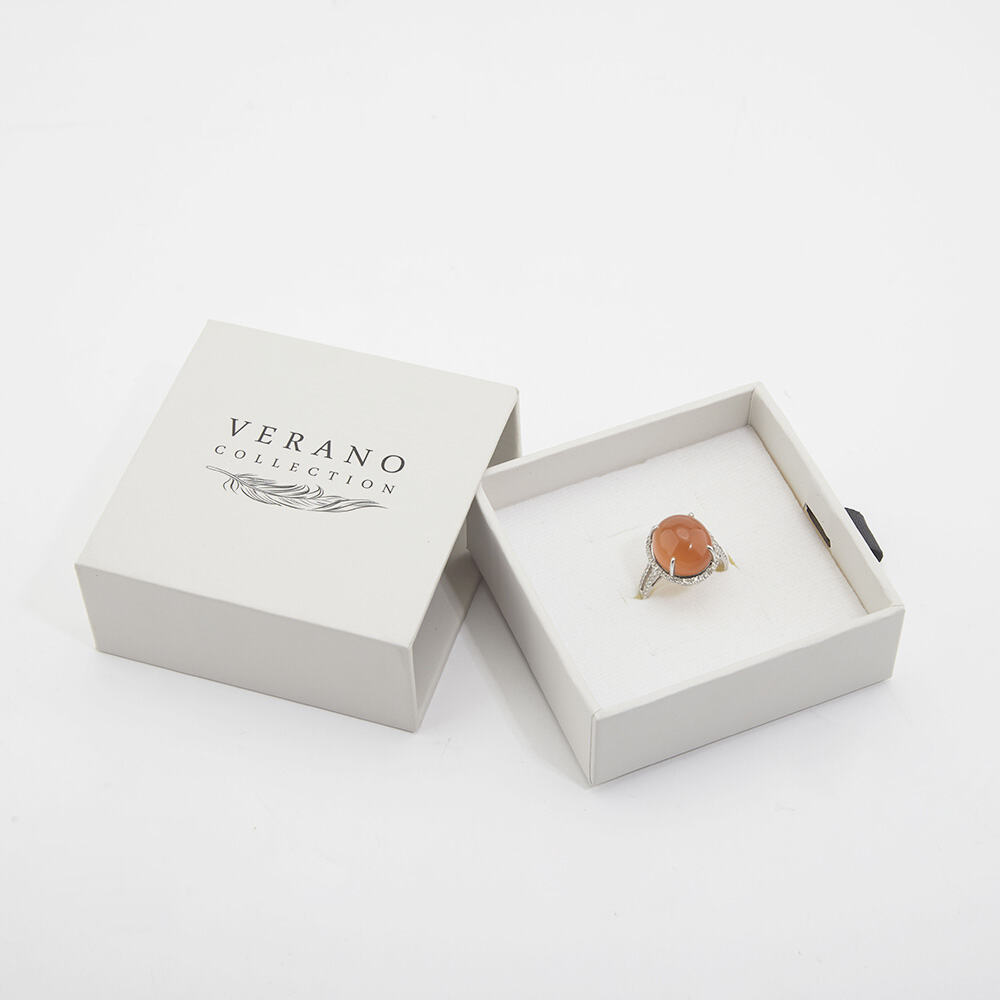
The global jewelry industry has witnessed unprecedented growth, with brands increasingly recognizing that exceptional jewelry packaging serves as a crucial differentiator in competitive markets. Modern jewelry retailers and manufacturers understand that custom packaging solutions not only protect valuable items during transit but also create memorable unboxing experiences that reinforce brand identity and customer loyalty. Professional jewelry packaging customization has evolved into a sophisticated process that addresses the unique requirements of OEM partnerships and private label operations across diverse market segments.
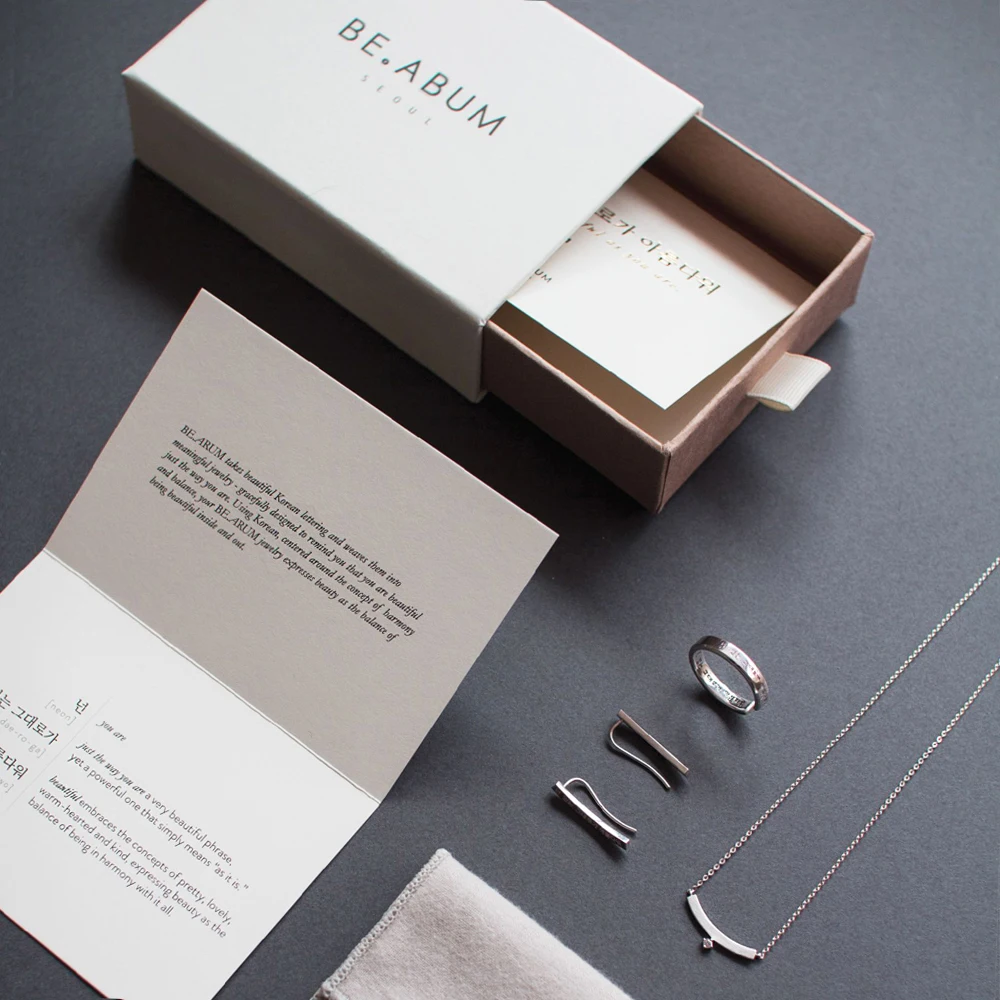
Understanding the intricate relationship between product presentation and consumer perception becomes essential when developing custom packaging strategies. Effective jewelry packaging design must balance aesthetic appeal with functional protection while maintaining cost efficiency for large-scale production runs. The customization process involves multiple stakeholders including packaging engineers, graphic designers, brand managers, and manufacturing specialists who collaborate to create solutions that meet specific brand requirements and market positioning objectives.
Contemporary jewelry brands face increasing pressure to differentiate themselves through innovative packaging approaches that reflect their unique value propositions. Custom jewelry packaging solutions enable companies to establish distinctive brand identities while ensuring product safety and enhancing perceived value among target demographics. The strategic implementation of personalized packaging elements can significantly impact customer acquisition rates and long-term brand recognition within increasingly saturated jewelry markets.
Understanding OEM Jewelry Packaging Requirements
Manufacturing Partnership Considerations
Original Equipment Manufacturer partnerships in the jewelry industry require specialized packaging approaches that accommodate diverse brand requirements while maintaining consistent quality standards. OEM jewelry packaging solutions must demonstrate flexibility to support multiple brand identities simultaneously without compromising manufacturing efficiency or cost-effectiveness. These partnerships typically involve complex negotiations regarding design specifications, material selections, production volumes, and delivery timelines that directly impact packaging customization capabilities.
Successful OEM relationships depend on packaging manufacturers' ability to adapt their production processes to accommodate varying brand guidelines and quality expectations. Advanced jewelry packaging facilities invest in modular production systems that enable rapid changeovers between different brand specifications while maintaining strict quality control protocols. This operational flexibility becomes particularly valuable when supporting seasonal collections or limited-edition releases that require specialized packaging treatments.
Quality Control and Standardization
Implementing comprehensive quality management systems becomes critical when producing jewelry packaging for multiple OEM clients with distinct requirements. Professional packaging manufacturers establish standardized testing protocols that evaluate structural integrity, material durability, and aesthetic consistency across different production runs. These quality assurance measures ensure that custom packaging solutions meet or exceed client expectations while maintaining compliance with international shipping and safety regulations.
Documentation and traceability systems play essential roles in OEM jewelry packaging operations, enabling manufacturers to track specific design modifications, material sourcing decisions, and production variables associated with individual client requirements. Advanced quality control protocols incorporate both automated inspection technologies and manual verification processes to identify potential issues before products reach distribution channels. This comprehensive approach minimizes returns, reduces warranty claims, and strengthens long-term OEM partnerships.
Private Label Packaging Customization Strategies
Brand Identity Integration
Private label jewelry packaging development requires deep understanding of target brand positioning and customer demographics to create solutions that effectively communicate brand values and aesthetic preferences. Custom packaging designers collaborate closely with private label clients to identify key design elements, color schemes, typography preferences, and material selections that align with overall brand strategies. This collaborative approach ensures that jewelry packaging solutions seamlessly integrate with existing brand communications and marketing initiatives.
Successful private label packaging programs incorporate sophisticated brand guideline compliance systems that maintain consistency across different product categories and market channels. Professional packaging manufacturers develop detailed brand style guides that document approved design elements, material specifications, production tolerances, and quality standards specific to individual private label clients. These comprehensive documentation systems enable consistent reproduction of brand-specific packaging elements across multiple production runs and geographic locations.
Market Positioning Through Design
Strategic jewelry packaging design decisions significantly influence consumer perceptions of product quality and brand positioning within competitive market segments. Private label clients rely on packaging customization to differentiate their products from competitors while communicating specific value propositions to target demographics. Premium jewelry packaging solutions incorporate sophisticated material selections, specialized finishing techniques, and innovative structural designs that reinforce luxury positioning and justify higher price points.
Market research insights inform jewelry packaging customization decisions, helping private label brands optimize their packaging investments to maximize consumer appeal and purchasing behavior. Professional packaging developers conduct extensive consumer testing to evaluate the effectiveness of different design approaches, material combinations, and unboxing experiences. These research-driven insights enable private label clients to make informed decisions about packaging investments that support their overall market positioning strategies.
Material Selection and Design Considerations
Sustainable Packaging Solutions
Environmental consciousness increasingly influences jewelry packaging material selection decisions as brands respond to growing consumer demand for sustainable business practices. Modern jewelry packaging manufacturers offer comprehensive portfolios of eco-friendly materials including recycled cardboard, biodegradable plastics, and sustainably sourced natural fibers that maintain protective performance while reducing environmental impact. These sustainable material options enable jewelry brands to align their packaging choices with corporate social responsibility commitments.
Advanced recycling technologies and circular economy principles drive innovation in sustainable jewelry packaging development, creating opportunities for brands to differentiate themselves through environmental stewardship. Professional packaging manufacturers invest in research and development programs that explore new sustainable material formulations, biodegradable coating technologies, and renewable energy production processes. These sustainability initiatives create competitive advantages for jewelry packaging suppliers while supporting client brands' environmental commitments.
Protection and Durability Features
Effective jewelry packaging must provide robust protection against physical damage, environmental conditions, and security threats throughout complex distribution channels. Custom packaging engineers incorporate multiple protective layers including shock-absorbing foam inserts, moisture-resistant barriers, and tamper-evident security features that safeguard valuable jewelry items during shipping and retail handling. These protective elements must be seamlessly integrated into attractive package designs without compromising aesthetic appeal or unboxing experiences.
Advanced testing protocols evaluate jewelry packaging performance under various stress conditions including temperature fluctuations, humidity exposure, compression forces, and impact scenarios. Professional packaging manufacturers utilize specialized testing equipment and standardized evaluation procedures to validate protective performance before committing to large-scale production runs. This rigorous testing approach ensures that custom jewelry packaging solutions provide adequate protection while maintaining consistent quality across different production batches.
Production Processes and Manufacturing Capabilities
Advanced Manufacturing Technologies
Modern jewelry packaging manufacturing incorporates sophisticated production technologies including digital printing systems, precision die-cutting equipment, and automated assembly processes that enable cost-effective customization across diverse order volumes. These advanced manufacturing capabilities support rapid prototyping, short-run production, and large-scale manufacturing operations while maintaining consistent quality standards and delivery schedules. Investment in cutting-edge production equipment enables packaging manufacturers to offer competitive pricing while supporting complex customization requirements.
Flexible manufacturing systems accommodate varying production requirements associated with different jewelry packaging projects, from small-batch artisanal collections to high-volume retail distribution programs. Professional packaging facilities utilize modular production configurations that enable efficient transitions between different product specifications without significant setup costs or production delays. This operational flexibility becomes particularly valuable when supporting seasonal demand fluctuations or rush order requirements.
Scalability and Volume Management
Successful jewelry packaging customization programs require scalable production capabilities that accommodate growing client demand while maintaining cost efficiency and quality consistency. Professional packaging manufacturers implement sophisticated capacity planning systems that optimize resource allocation, minimize production bottlenecks, and ensure timely delivery across multiple concurrent projects. These scalability considerations become critical when supporting rapidly growing jewelry brands or seasonal demand spikes.
Volume management strategies incorporate predictive analytics, inventory optimization, and supply chain coordination to minimize lead times while controlling production costs. Advanced jewelry packaging manufacturers develop long-term partnerships with material suppliers, logistics providers, and quality control specialists to create integrated supply chains that support consistent performance across varying production volumes. This comprehensive approach ensures reliable delivery performance while maintaining competitive pricing structures.
Customization Options and Design Features
Structural Design Innovations
Contemporary jewelry packaging design incorporates innovative structural features including multi-compartment configurations, transformable displays, and interactive elements that enhance product presentation while optimizing storage efficiency. Custom packaging engineers develop specialized hinge mechanisms, magnetic closures, and modular insert systems that create memorable unboxing experiences while providing practical functionality for end users. These structural innovations differentiate jewelry packaging solutions while adding perceived value to the overall product offering.
Advanced computer-aided design tools enable precise development of complex jewelry packaging structures that balance aesthetic appeal with functional performance requirements. Professional packaging designers utilize three-dimensional modeling software, structural analysis programs, and virtual prototyping technologies to optimize package designs before committing to expensive tooling investments. This technology-driven approach reduces development costs while enabling rapid iteration and refinement of custom packaging concepts.
Surface Finishing and Decoration Options
Premium jewelry packaging solutions incorporate sophisticated surface treatments including embossing, debossing, foil stamping, and specialty coating applications that create luxurious tactile experiences and visual appeal. Custom finishing options enable jewelry brands to create distinctive packaging presentations that reinforce premium positioning while differentiating products from competitors. Professional finishing capabilities include metallic accents, textured surfaces, spot UV applications, and custom color matching that support precise brand specification compliance.
Innovative decoration technologies including digital embellishment systems, laser engraving capabilities, and specialty printing processes expand creative possibilities for jewelry packaging customization. These advanced finishing options enable cost-effective personalization, variable data printing, and limited-edition treatments that create unique customer experiences. Professional packaging manufacturers invest in state-of-the-art finishing equipment to offer comprehensive decoration services that support diverse brand requirements and market positioning strategies.
FAQ
What minimum order quantities are typically required for custom jewelry packaging
Minimum order quantities for custom jewelry packaging vary significantly depending on packaging complexity, material requirements, and finishing specifications, with typical ranges starting from 500 units for simple designs to 5,000 units for complex multi-component packages. Professional packaging manufacturers often offer flexible minimum order programs that accommodate smaller jewelry brands while maintaining cost efficiency through strategic production scheduling and material optimization. Some specialized suppliers provide sampling and prototyping services with lower minimums to support product development and market testing initiatives.
How long does the custom jewelry packaging development process take
Custom jewelry packaging development timelines typically range from 4-8 weeks for standard customization projects, extending to 12-16 weeks for complex designs requiring specialized tooling or unique material formulations. The development process includes design consultation, prototype creation, client approval cycles, tooling fabrication, and production setup phases that each contribute to overall project duration. Experienced packaging manufacturers provide detailed project timelines and milestone schedules to help jewelry brands plan their product launch strategies and inventory requirements effectively.
What factors influence custom jewelry packaging pricing
Custom jewelry packaging pricing depends on multiple variables including material selection, structural complexity, finishing requirements, order volumes, and delivery timelines, with premium materials and specialized finishes commanding higher unit costs. Volume-based pricing structures typically offer significant cost reductions for larger orders, while rush orders or complex customization requirements may include additional surcharges. Professional packaging suppliers provide detailed cost breakdowns and volume pricing schedules to help jewelry brands optimize their packaging investments while meeting budget constraints and quality expectations.
Can custom jewelry packaging incorporate security features
Modern custom jewelry packaging solutions can incorporate various security features including tamper-evident seals, RFID tracking systems, holographic authentication elements, and specialized locking mechanisms that protect valuable merchandise throughout distribution channels. Security feature integration requires coordination with specialized suppliers and may involve additional testing and certification requirements depending on specific application needs. Professional packaging manufacturers work closely with security technology providers to develop integrated solutions that balance protection requirements with aesthetic design objectives and cost considerations.

