 EN
EN
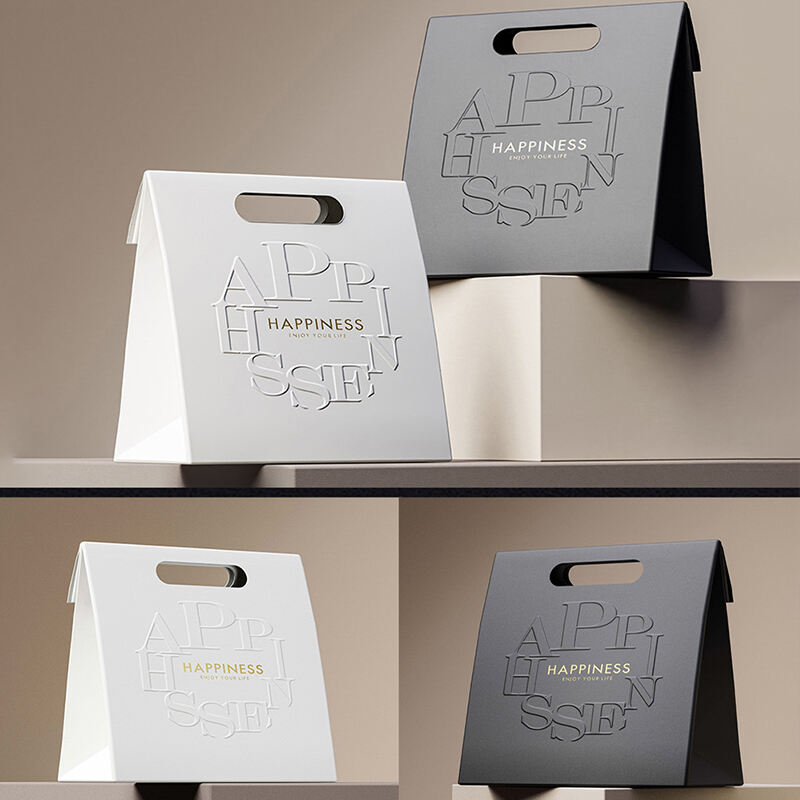
In today's competitive jewelry market, brand differentiation extends far beyond the quality of precious metals and gemstones. Successful jewelry businesses understand that the unboxing experience creates lasting impressions that can transform casual buyers into loyal customers. Premium jewelry packaging boxes serve as silent ambassadors for your brand, communicating values of luxury, craftsmanship, and attention to detail before customers even glimpse your products. This strategic approach to packaging design represents a powerful opportunity to elevate brand perception and create memorable customer experiences that drive repeat purchases and referrals.
The Psychology of Premium Packaging
First Impressions Matter
Research in consumer psychology consistently demonstrates that packaging significantly influences purchasing decisions and brand perception. When customers receive beautifully crafted jewelry packaging boxes, their brains release dopamine, creating positive associations with your brand that extend beyond the initial purchase. This neurological response explains why luxury brands invest heavily in packaging design, understanding that the tactile experience of quality materials creates emotional connections that justify premium pricing. The weight, texture, and visual appeal of your packaging communicate brand values instantly, often determining whether customers perceive your jewelry as high-end or mass-market.
The unboxing ritual has become increasingly important in the social media age, where customers frequently share their experiences online. Professional jewelry packaging transforms routine purchases into shareable moments that generate organic marketing content. When customers photograph and post their unboxing experiences, your branded packaging reaches extended networks of potential buyers, creating powerful word-of-mouth marketing that traditional advertising cannot replicate. This viral potential makes premium packaging an investment in long-term brand building rather than simply a protective container.
Perceived Value Enhancement
Strategic packaging design directly correlates with perceived product value, allowing businesses to command higher prices for identical jewelry pieces. Studies show that consumers are willing to pay 20-30% more for products presented in premium packaging, making the investment in quality jewelry packaging boxes a profitable decision. The halo effect created by luxurious packaging extends to the entire brand, elevating the perceived quality of all products in your collection. This psychological phenomenon explains why successful jewelry brands maintain consistent packaging standards across all price points, understanding that every touchpoint reinforces brand positioning.
Custom packaging also addresses the gift-giving aspect of jewelry purchases, where presentation plays a crucial role in customer satisfaction. Many jewelry purchases are intended as gifts, making the packaging an integral part of the product experience rather than merely protective material. Recipients often keep beautiful jewelry boxes long after the initial gift, creating lasting brand exposure in homes and potentially influencing future purchasing decisions. This extended brand presence transforms packaging from a one-time expense into a long-term marketing asset.
Design Elements That Define Luxury
Material Selection and Quality
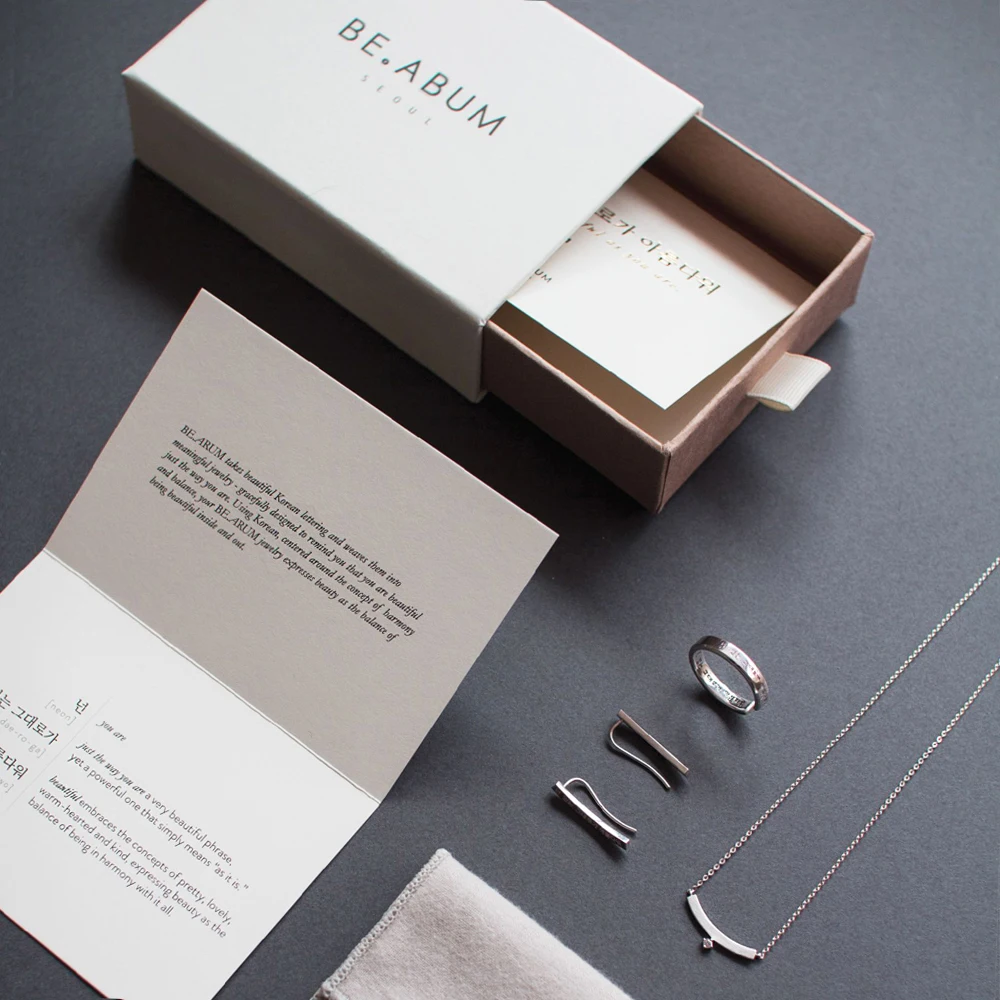
The choice of materials for jewelry packaging boxes communicates brand values more effectively than any marketing message. Premium materials such as rigid cardboard, specialty papers, and fabric linings create tactile experiences that reinforce luxury positioning. The weight and density of packaging materials subconsciously signal quality to customers, with heavier boxes typically associated with more valuable contents. Surface treatments like soft-touch coatings, embossed textures, and metallic finishes add sophistication while providing unique sensory experiences that differentiate your brand from competitors using standard materials.
Interior design elements deserve equal attention, as they create the immediate environment for your jewelry presentation. Velvet or satin linings protect products while adding luxury appeal, while custom-molded inserts ensure pieces remain secure during shipping and storage. Color coordination between exterior and interior elements creates cohesive brand experiences, while contrasting colors can create dramatic reveals that enhance the unboxing experience. The integration of foam padding, ribbon pulls, and magnetic closures demonstrates attention to detail that customers associate with premium brands.
Branding and Visual Identity Integration
Effective jewelry packaging serves as three-dimensional brand extensions, incorporating visual identity elements that reinforce brand recognition and recall. Logo placement, typography selection, and color schemes should align with overall brand guidelines while adapting to the unique requirements of packaging design. Subtle branding often proves more effective than prominent logos, as luxury consumers prefer understated elegance over obvious marketing messages. The strategic use of negative space, balanced proportions, and sophisticated color palettes creates packaging that customers proudly display and retain.
Custom packaging allows for seasonal variations and limited edition designs that create urgency and exclusivity around special collections or holiday promotions. Variable printing technologies enable cost-effective customization for different product lines or customer segments while maintaining consistent brand elements. The ability to personalize packaging for special occasions or VIP customers adds value that extends far beyond the physical protection of jewelry pieces, creating emotional connections that foster brand loyalty.
Practical Benefits Beyond Aesthetics
Product Protection and Security
While visual appeal drives initial brand perception, functional performance ensures customer satisfaction and product integrity throughout the supply chain. High-quality jewelry packaging boxes provide essential protection against impact, moisture, and environmental factors that could damage delicate pieces during shipping and storage. Custom-fitted interiors prevent movement that could cause scratching or tangling, while secure closure mechanisms protect against accidental opening. The investment in protective packaging reduces return rates, replacement costs, and negative reviews that damage brand reputation.
Security features such as tamper-evident seals and reinforced structures address growing concerns about package theft and product authenticity. Clear windows or transparent sections allow verification of contents without compromising security, while maintaining the premium presentation that customers expect. The balance between accessibility and security requires careful consideration of customer needs and shipping environments, with solutions varying based on product value and distribution channels.
Sustainability and Environmental Responsibility
Modern consumers increasingly prioritize environmental responsibility in purchasing decisions, making sustainable packaging options essential for forward-thinking jewelry brands. Recyclable materials, biodegradable options, and minimalist designs that reduce waste appeal to environmentally conscious customers while demonstrating corporate social responsibility. The challenge lies in maintaining luxury appeal while meeting sustainability goals, requiring innovative material solutions and design approaches that don't compromise on quality or presentation.
Sustainable packaging initiatives also provide marketing opportunities, as brands can communicate environmental values through packaging choices and messaging. Clear communication about recyclable materials, renewable resources, and carbon footprint reduction resonates with target audiences and differentiates environmentally responsible brands from competitors. The long-term benefits include enhanced brand reputation, customer loyalty, and compliance with evolving regulations regarding packaging waste and environmental impact.
Cost Considerations and Return on Investment
Budget Planning and Value Engineering
Implementing premium jewelry packaging requires strategic budget allocation that balances quality objectives with financial constraints. Value engineering approaches identify opportunities to achieve luxury appearance while controlling costs through material optimization, production efficiency, and volume purchasing agreements. The key lies in identifying which elements most significantly impact customer perception and focusing investment on those areas while finding cost-effective solutions for less visible components.
Tiered packaging strategies allow brands to offer different levels of presentation based on product value, customer segments, or purchase occasions. Standard packaging for everyday items, premium options for special collections, and ultra-luxury presentations for high-value pieces create flexibility while managing costs. This approach ensures that packaging investment aligns with product margins while providing upgrade opportunities that enhance customer experiences for important purchases.
Measuring Marketing Impact
The return on investment for premium packaging extends beyond immediate sales to include long-term brand building, customer retention, and organic marketing benefits. Tracking metrics such as social media mentions, unboxing videos, customer retention rates, and average order values provides insight into packaging effectiveness. The challenge lies in isolating packaging impact from other marketing variables, requiring careful analysis and attribution modeling to demonstrate true return on investment.
Customer feedback surveys and focus groups provide qualitative insights into packaging effectiveness, revealing emotional responses and brand perception changes that quantitative metrics may miss. The integration of QR codes or unique identifiers in packaging enables tracking of customer engagement and provides opportunities for post-purchase communication and remarketing. These data collection methods transform packaging from passive containers into active marketing tools that provide ongoing customer insights.
Implementation Strategies for Different Business Scales
Small Business Solutions
Independent jewelers and small businesses often face budget constraints that seem to preclude premium packaging options, but creative solutions can achieve luxury presentation at accessible price points. Partnerships with packaging suppliers, minimum order quantity negotiations, and phased implementation strategies allow smaller businesses to access quality packaging materials. The focus should be on identifying signature elements that create maximum brand impact while controlling costs through selective premium touches rather than comprehensive luxury packaging.
Digital printing technologies and on-demand production services have revolutionized small-batch packaging, enabling custom designs without large minimum orders or inventory investments. These solutions allow small businesses to compete with larger brands in presentation quality while maintaining flexibility to adapt designs based on customer feedback and seasonal requirements. The key is developing scalable systems that support growth while maintaining consistent brand presentation across all customer touchpoints.
Enterprise-Level Integration
Large jewelry retailers and manufacturers require comprehensive packaging strategies that address multiple product lines, distribution channels, and customer segments while maintaining operational efficiency. Enterprise solutions often involve custom packaging development, dedicated supply chains, and quality control systems that ensure consistent execution across all locations and platforms. The complexity requires cross-functional collaboration between marketing, operations, and procurement teams to balance brand objectives with operational constraints.
Global brands must also consider regional preferences, regulatory requirements, and cultural sensitivities that influence packaging design and materials. Standardized core elements combined with regional customization options provide consistency while allowing local market adaptation. The investment in comprehensive packaging systems requires long-term commitment and substantial resources but creates sustainable competitive advantages that are difficult for competitors to replicate quickly.
FAQ
What materials work best for luxury jewelry packaging
The most effective luxury jewelry packaging combines rigid cardboard construction with premium surface treatments such as soft-touch coatings, embossed textures, or fabric wrapping. Interior materials should include velvet or satin linings with custom-molded foam inserts to protect and present jewelry pieces elegantly. Sustainable options like recycled cardboard and biodegradable materials can achieve luxury appeal while meeting environmental responsibility goals.
How much should businesses invest in packaging relative to product cost
Industry best practices suggest allocating 3-8% of product retail value to packaging costs for jewelry items, with higher percentages justified for gift-focused products or luxury positioning strategies. The investment should be evaluated based on brand positioning objectives, target customer expectations, and competitive landscape rather than arbitrary cost ratios. Premium packaging often enables higher profit margins that offset increased packaging costs.
Can small jewelry businesses compete with large brands in packaging quality
Small businesses can achieve competitive packaging quality through strategic partnerships with packaging suppliers, focus on distinctive design elements rather than comprehensive luxury features, and utilization of digital printing and on-demand production technologies. The key is identifying unique brand elements that create memorable experiences while working within budget constraints and minimum order requirements.
What sustainability options exist for jewelry packaging without compromising luxury appeal
Sustainable luxury packaging solutions include FSC-certified papers, soy-based inks, biodegradable foam alternatives, and recyclable material construction that maintains premium appearance and feel. Minimalist design approaches can reduce material usage while creating sophisticated presentations, and clear communication about environmental benefits can enhance brand perception among environmentally conscious consumers without compromising luxury positioning.

