 EN
EN

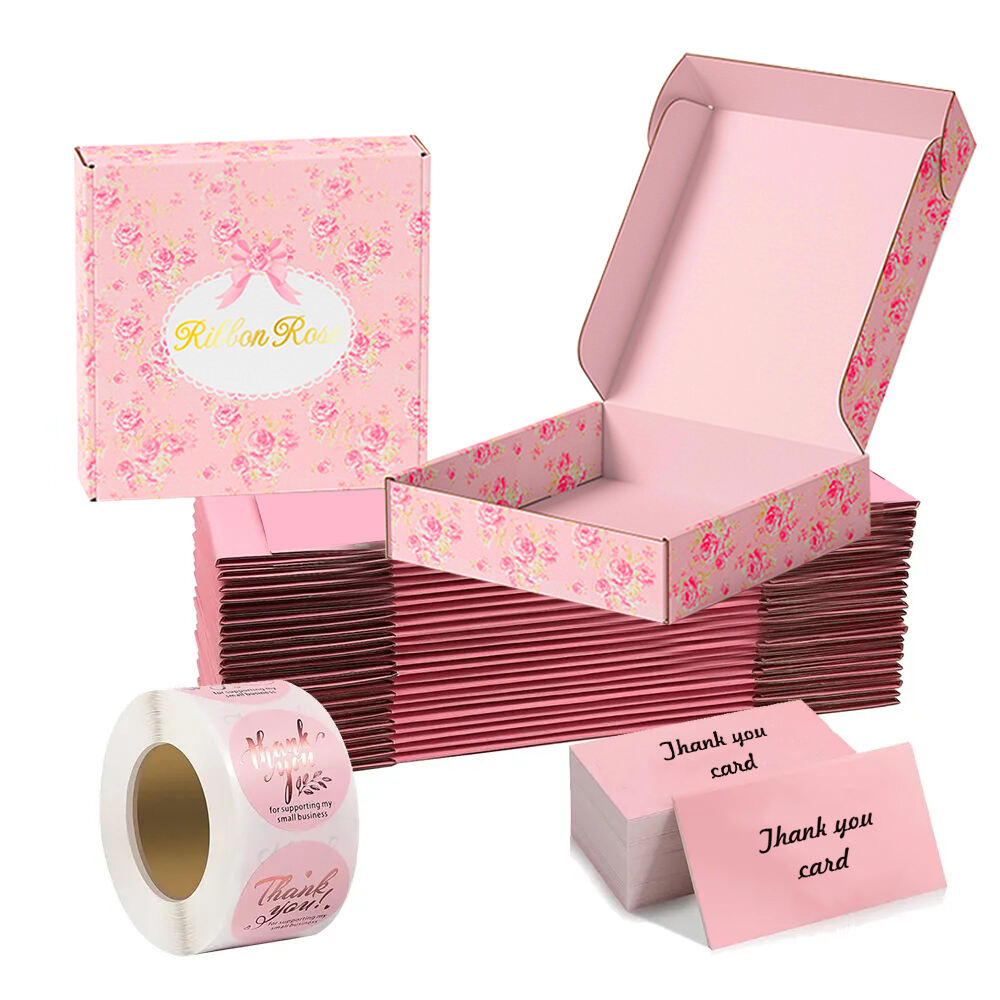
In today's environmentally conscious marketplace, businesses and consumers are increasingly seeking sustainable packaging solutions that minimize environmental impact while maintaining product protection and functionality. The debate between traditional plastic packaging and eco-friendly alternatives has intensified as climate change concerns grow and regulatory pressures mount. Among the most promising sustainable options, cardboard packaging eco-friendly solutions have emerged as a leading choice for companies looking to reduce their carbon footprint while meeting consumer demands for responsible packaging practices.
The shift toward sustainable packaging represents more than just a trend; it reflects a fundamental transformation in how businesses approach their environmental responsibilities. As global awareness of plastic pollution increases and governments implement stricter regulations on single-use plastics, companies across industries are reevaluating their packaging strategies. This comprehensive examination of cardboard versus plastic packaging will explore the environmental benefits, practical applications, and economic considerations that make eco-friendly cardboard solutions an increasingly attractive option for modern businesses.
Environmental Impact Analysis
Carbon Footprint Comparison
The production of cardboard packaging generates significantly lower greenhouse gas emissions compared to plastic alternatives, making it a crucial component in corporate sustainability initiatives. Manufacturing processes for corrugated cardboard typically require 75% less energy than plastic production, resulting in reduced carbon dioxide emissions throughout the supply chain. The renewable nature of wood fibers used in cardboard production creates a natural carbon storage system, as trees absorb CO2 during growth before being harvested for paper manufacturing.
Plastic packaging production relies heavily on fossil fuel extraction and petroleum-based chemicals, contributing to higher lifetime carbon emissions. The energy-intensive processes required to transform crude oil into plastic polymers generate substantial environmental costs that extend far beyond the manufacturing facility. Additionally, the transportation of lightweight cardboard materials requires less fuel consumption compared to heavier plastic alternatives, further reducing the overall carbon footprint of eco-friendly packaging solutions.
Waste Management and Disposal
The end-of-life disposal options for cardboard packaging present clear environmental advantages over plastic materials. Cardboard decomposes naturally within 2-3 months under proper composting conditions, while plastic packaging can persist in landfills and natural environments for hundreds of years. This biodegradability factor makes cardboard packaging eco-friendly solutions particularly valuable for companies seeking to minimize their long-term environmental impact.
Municipal recycling systems are better equipped to process cardboard materials efficiently, with recycling rates for corrugated packaging consistently exceeding 90% in developed markets. Plastic recycling faces numerous challenges including contamination issues, limited facility capacity, and complex sorting requirements for different polymer types. The straightforward recycling process for cardboard materials supports circular economy principles and reduces the demand for virgin raw materials in future production cycles.
Sustainability Benefits of Cardboard Solutions
Renewable Resource Utilization
Cardboard packaging derives from renewable forest resources that can be sustainably managed through responsible forestry practices. Modern paper mills increasingly source materials from certified sustainable forests, ensuring that harvesting practices support long-term forest health and biodiversity conservation. The regenerative nature of tree growth creates a renewable supply chain that contrasts sharply with the finite petroleum resources required for plastic production.
Sustainable forestry certification programs like FSC and PEFC provide transparency and accountability in the cardboard supply chain, allowing businesses to verify the environmental credentials of their packaging materials. These certification systems ensure that forest management practices protect wildlife habitats, maintain water quality, and support local communities dependent on forest resources. The traceability offered by certified cardboard packaging eco-friendly solutions enables companies to make informed decisions aligned with their sustainability goals.
Circular Economy Integration
The recyclability of cardboard materials supports circular economy principles by keeping materials in productive use for multiple lifecycle cycles. Post-consumer cardboard can be recycled up to seven times before fiber degradation limits further processing, creating substantial value from initial raw material investments. This recycling capacity reduces pressure on virgin fiber resources and minimizes waste generation across the packaging value chain.
Cardboard recycling infrastructure is well-established in most developed markets, with collection systems, processing facilities, and end-market demand creating a robust circular flow of materials. The economic value of recycled cardboard provides incentives for consumers and waste management companies to participate actively in recovery programs. This established infrastructure advantage makes cardboard packaging eco-friendly implementation more practical and cost-effective compared to developing new plastic recycling capabilities.
Performance and Functionality Considerations
Protection and Durability Characteristics
Modern cardboard packaging technologies deliver excellent protection for a wide range of products while maintaining environmental benefits. Advanced corrugated designs, specialized coatings, and engineered structures provide moisture resistance, cushioning, and structural integrity comparable to plastic alternatives in many applications. The versatility of cardboard materials allows for customized protection solutions tailored to specific product requirements without compromising sustainability objectives.
Innovations in cardboard manufacturing have produced materials with enhanced barrier properties, extending shelf life and maintaining product quality during storage and transportation. Water-resistant treatments, grease-proof coatings, and multi-layer constructions address traditional limitations while preserving the biodegradable characteristics that make cardboard environmentally preferable. These technological advances expand the applications where cardboard packaging eco-friendly solutions can effectively replace plastic alternatives.
Design Flexibility and Customization
The malleability and printability of cardboard materials offer superior design flexibility for branding and marketing applications. High-quality printing capabilities allow for vibrant graphics, detailed product information, and premium aesthetic appeal that enhances consumer experience and brand recognition. The ease of die-cutting and folding enables complex packaging geometries and innovative structural designs that optimize space utilization and product presentation.
Customization options for cardboard packaging support brand differentiation while maintaining environmental benefits. Variable printing technologies enable personalized packaging, seasonal designs, and targeted marketing messages without requiring separate tooling or setup costs. This design flexibility allows companies to maintain marketing effectiveness while transitioning to more sustainable packaging solutions, addressing both environmental and business objectives simultaneously.
Economic Advantages and Cost Considerations
Production and Material Costs
The cost structure of cardboard packaging production often presents favorable economics compared to plastic alternatives, particularly when considering total lifecycle costs. Raw material costs for cardboard remain relatively stable due to renewable resource availability, while petroleum-based plastic materials experience price volatility linked to oil market fluctuations. Local sourcing opportunities for cardboard materials can reduce transportation costs and supply chain risks while supporting regional economic development.
Manufacturing efficiency improvements in cardboard production have driven down unit costs while improving quality consistency. Automated production lines, optimized material utilization, and reduced waste generation contribute to competitive pricing for cardboard packaging eco-friendly solutions. The lower capital investment requirements for cardboard production equipment make it accessible to smaller manufacturers, promoting competition and innovation in sustainable packaging markets.
Regulatory Compliance and Risk Mitigation
Increasing regulatory restrictions on single-use plastics create compliance costs and business risks that favor cardboard packaging adoption. Extended producer responsibility programs, plastic taxes, and packaging waste regulations impose additional costs on plastic packaging users while providing incentives for sustainable alternatives. Proactive adoption of cardboard packaging positions companies ahead of regulatory changes and reduces future compliance risks.
Consumer preference trends toward sustainable packaging create market opportunities for companies using eco-friendly materials. Brand reputation benefits from sustainable packaging choices can translate into increased sales, customer loyalty, and premium pricing opportunities. The marketing value of environmentally responsible packaging decisions often justifies higher material costs through improved brand positioning and competitive differentiation in environmentally conscious market segments.
Industry Applications and Case Studies
E-commerce and Shipping Applications
The explosive growth of e-commerce has created massive demand for shipping packaging that balances protection, cost, and environmental impact. Cardboard packaging eco-friendly solutions have become the preferred choice for online retailers due to their lightweight properties, excellent cushioning capabilities, and positive consumer perception. Major e-commerce platforms have committed to sustainable packaging initiatives that prioritize cardboard and paper-based materials over plastic alternatives.
Innovative cardboard designs specifically developed for e-commerce applications include self-sealing boxes, integrated padding systems, and right-sized packaging solutions that minimize material usage while ensuring product protection. These specialized solutions reduce packaging waste, lower shipping costs, and improve the unboxing experience for consumers. The ability to customize cardboard packaging with branding and messaging creates marketing opportunities that plastic mailers cannot match effectively.
Food and Beverage Industry Adoption
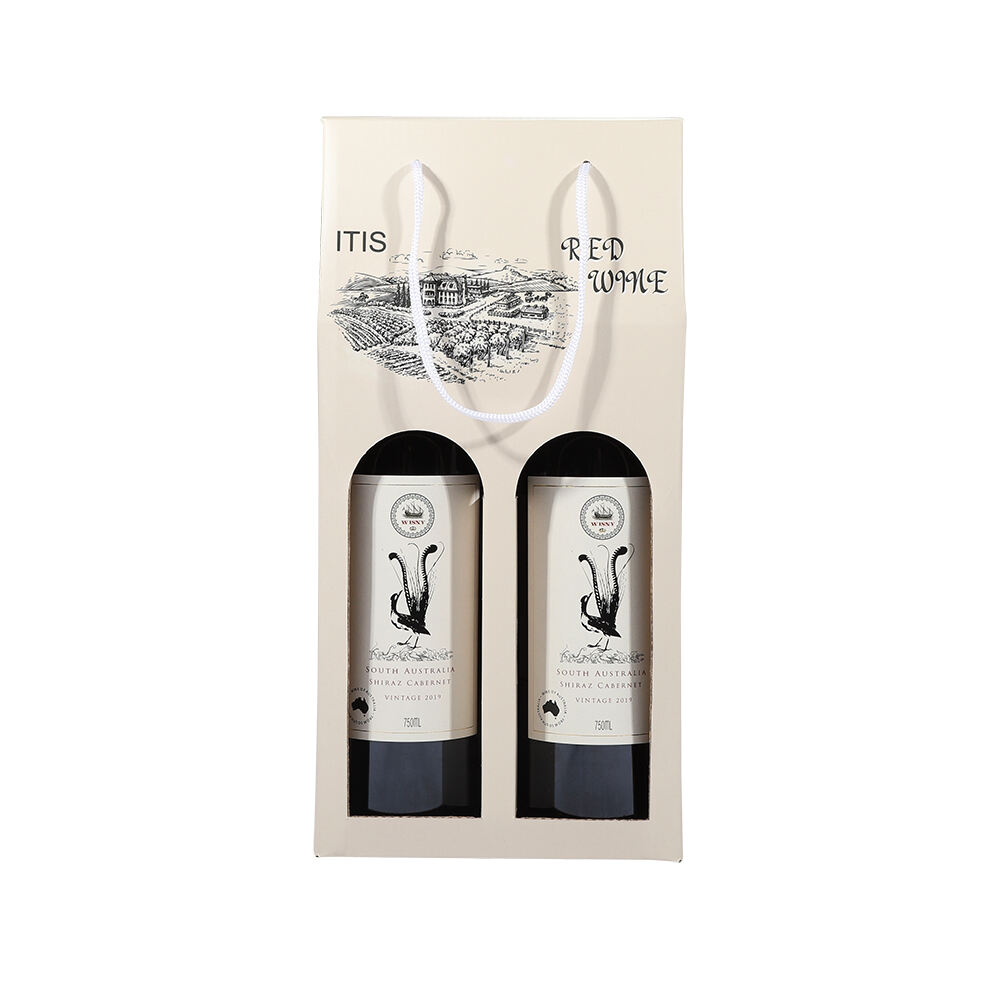
Food service and retail food packaging represent significant opportunities for cardboard packaging implementation, driven by consumer preferences for sustainable options and regulatory pressure on single-use plastics. Cardboard containers for takeout food, beverage carriers, and retail packaging provide effective barriers against moisture and grease while maintaining compostability. Advanced coating technologies enable food-safe applications without compromising environmental benefits.
Restaurant chains and food manufacturers have successfully transitioned from plastic containers to cardboard alternatives, often reporting positive consumer feedback and brand perception improvements. The ability to customize food packaging with branding, nutritional information, and marketing messages provides added value beyond basic containment functions. Compostable cardboard packaging aligns with organic food positioning and appeals to environmentally conscious consumers willing to pay premium prices for sustainable options.
FAQ
How does cardboard packaging compare to plastic in terms of water resistance?
Modern cardboard packaging can achieve excellent water resistance through specialized coatings and treatments while maintaining biodegradability. Wax coatings, polymer barriers, and laminated structures provide moisture protection comparable to plastic for many applications. While cardboard may not match plastic's complete impermeability, innovative treatments offer sufficient protection for most products while preserving environmental benefits.
What are the cost implications of switching from plastic to cardboard packaging?
Initial material costs for cardboard packaging may be higher than basic plastic alternatives, but total lifecycle costs often favor cardboard due to lower disposal fees, regulatory compliance advantages, and marketing benefits. Volume purchasing, local sourcing, and design optimization can reduce cardboard costs significantly. Many companies find that brand value improvements and customer loyalty gains justify any premium costs associated with sustainable packaging.
Can cardboard packaging provide adequate protection for fragile items during shipping?
Engineered cardboard packaging solutions offer excellent protection for fragile items through corrugated construction, custom inserts, and cushioning systems. Multi-layer designs, honeycomb structures, and integrated padding provide impact resistance and vibration dampening comparable to plastic packaging. Proper design and material selection ensure that cardboard packaging meets protection requirements while delivering environmental benefits.
How does the recycling process for cardboard packaging work compared to plastic?
Cardboard recycling is significantly more straightforward than plastic processing, with established collection systems and processing infrastructure in most markets. Cardboard can be recycled multiple times with standard paper recycling equipment, while plastic requires specialized sorting, cleaning, and reprocessing facilities. The high recycling rates for cardboard materials create a reliable supply chain for recycled content, supporting circular economy objectives more effectively than plastic alternatives.
Table of Contents
- Environmental Impact Analysis
- Sustainability Benefits of Cardboard Solutions
- Performance and Functionality Considerations
- Economic Advantages and Cost Considerations
- Industry Applications and Case Studies
-
FAQ
- How does cardboard packaging compare to plastic in terms of water resistance?
- What are the cost implications of switching from plastic to cardboard packaging?
- Can cardboard packaging provide adequate protection for fragile items during shipping?
- How does the recycling process for cardboard packaging work compared to plastic?

