 EN
EN

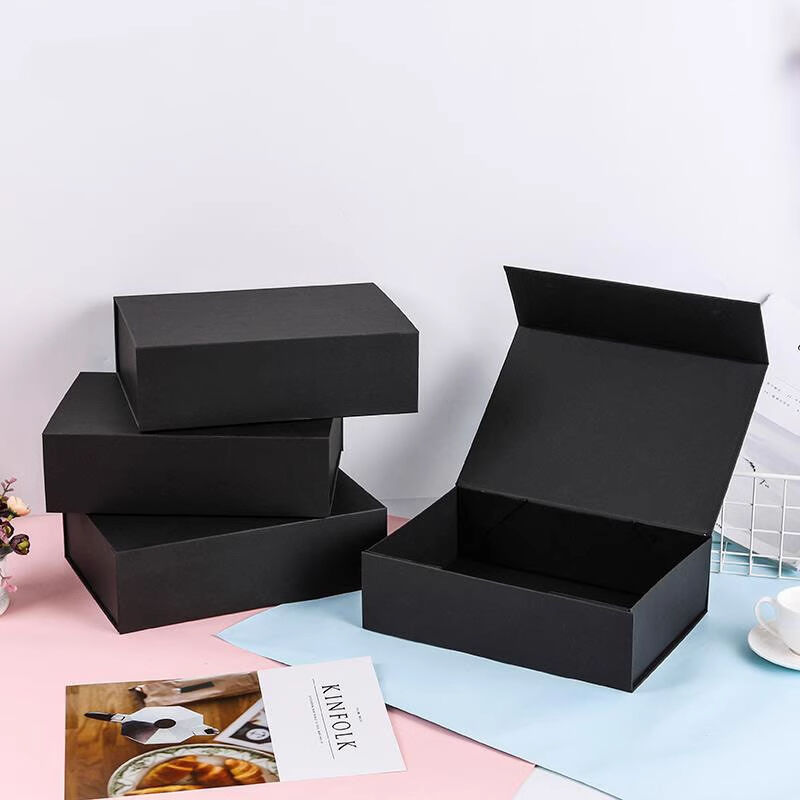
Jewelry packaging boxes serve as the first line of defense for precious accessories, gems, and valuable ornaments against environmental damage, theft, and physical deterioration. These specialized containers combine protective functionality with aesthetic appeal, ensuring that valuable items remain secure during storage, transportation, and display. Understanding how these protective solutions work can help jewelry owners, retailers, and collectors make informed decisions about safeguarding their investments.
The importance of proper jewelry protection extends beyond simple storage considerations. Professional-grade packaging solutions incorporate multiple layers of security features, specialized materials, and thoughtful design elements that address common threats to valuable accessories. From preventing tarnishing and scratches to deterring unauthorized access, these containers play a crucial role in maintaining both the physical integrity and market value of jewelry collections.
Modern protective packaging has evolved significantly from traditional wooden boxes and simple fabric pouches. Today's solutions integrate advanced materials science, ergonomic design principles, and sophisticated locking mechanisms to create comprehensive protection systems. These developments reflect the growing recognition that proper packaging represents a vital investment in preserving jewelry assets over time.
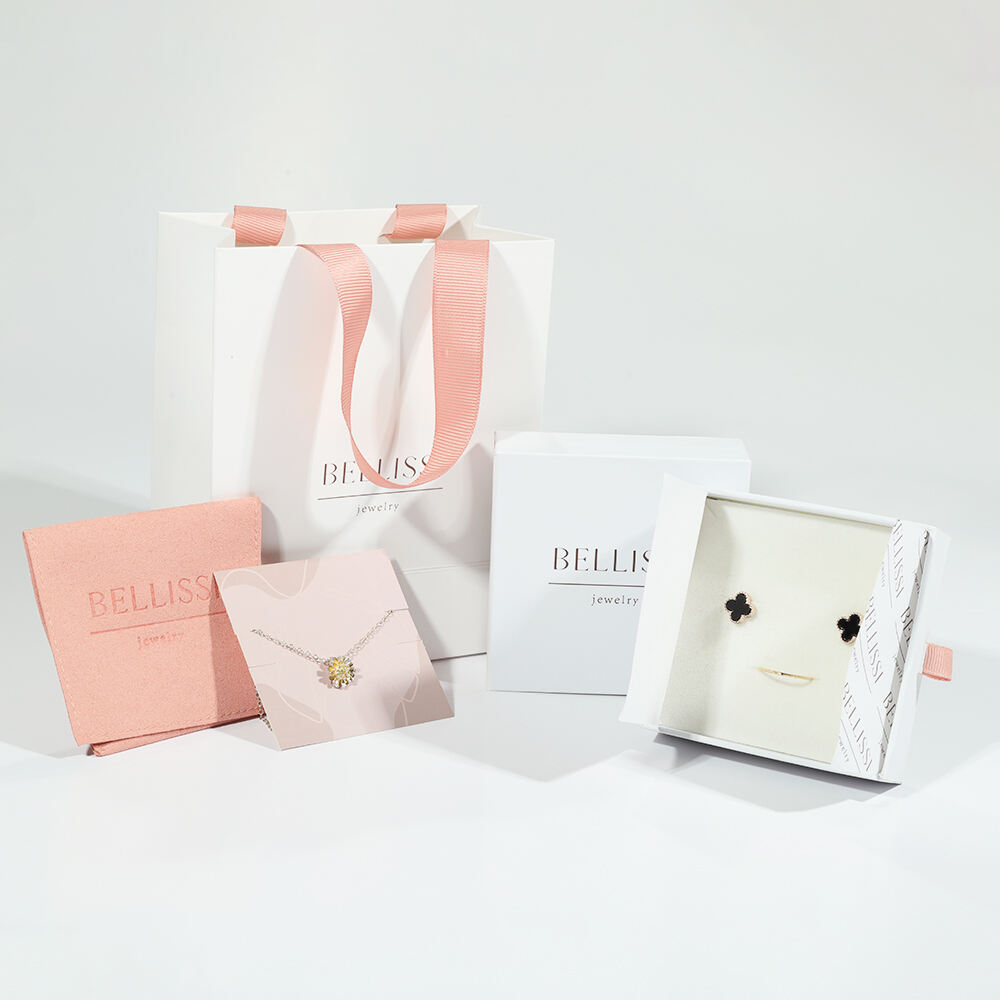
Physical Protection Mechanisms
Impact Resistance and Structural Integrity
High-quality jewelry packaging boxes incorporate robust construction materials designed to withstand significant physical stress and impact. The outer shells typically feature reinforced corners, double-wall construction, and impact-absorbing foam layers that distribute force evenly across the container's surface. This multi-layered approach prevents direct transmission of shock waves to the delicate items stored within, reducing the risk of damage from drops, collisions, or compression during transportation.
Interior cushioning systems play an equally important role in physical protection, utilizing specialized foam inserts, velvet-lined compartments, and custom-molded holders that secure individual pieces in place. These components prevent items from shifting during movement, which could result in scratches, chips, or other contact damage. The careful engineering of these internal structures ensures that each piece remains isolated from others while maintaining easy accessibility for the owner.
Environmental Barrier Properties
Effective jewelry packaging boxes create controlled micro-environments that shield valuable items from humidity, temperature fluctuations, and airborne contaminants. Sealed construction with gasket systems prevents moisture infiltration, which is particularly crucial for preventing tarnishing in silver jewelry and corrosion in other metal components. Advanced packaging solutions may incorporate desiccant materials or humidity control systems that actively maintain optimal storage conditions.
Temperature regulation features help protect items from thermal stress that can cause expansion and contraction damage, particularly important for pieces containing multiple materials with different thermal properties. The insulating properties of quality packaging materials create buffer zones that moderate external temperature changes, preventing rapid heating or cooling that could compromise structural integrity or finish quality.
Security Features and Access Control
Locking Mechanisms and Authentication
Professional jewelry packaging boxes incorporate sophisticated locking systems that provide multiple levels of security while maintaining user convenience. Traditional key locks remain popular for their reliability and simplicity, while modern solutions increasingly feature combination locks, biometric scanners, and electronic access controls. These mechanisms not only prevent unauthorized access but also provide audit trails for tracking who has accessed the contents and when.
Tamper-evident features serve as additional security layers, alerting owners to any unauthorized access attempts through visible indicators or electronic notifications. These systems may include breakaway seals, pressure-sensitive labels, or electronic sensors that detect opening events. Such features prove particularly valuable for insurance purposes and legal documentation of security measures taken to protect valuable assets.
Concealment and Discretion
Effective security often relies on concealment rather than obvious displays of protective measures. Many high-end jewelry packaging boxes feature deliberately understated external appearances that avoid drawing attention to their valuable contents. This approach reduces the likelihood of targeted theft while maintaining the aesthetic appeal expected by discerning jewelry owners.
Hidden compartments and false bottoms provide additional layers of concealment for the most valuable pieces within a collection. These features allow owners to maintain decoy displays while securing their most precious items in concealed spaces that remain undetectable even if the primary storage area is compromised. Such sophisticated design elements reflect the evolving understanding of security psychology and risk management in jewelry protection.
Material Science and Preservation
Anti-Tarnish Technologies
Advanced jewelry packaging boxes incorporate specialized materials and treatments designed to prevent the chemical reactions that cause tarnishing and corrosion in precious metals. Anti-tarnish fabrics treated with silver ions or other protective compounds create chemical barriers that neutralize sulfur compounds and other atmospheric pollutants before they can react with jewelry surfaces. These treatments can extend the time between necessary cleaning and maintenance procedures significantly.
Activated carbon filters and other air purification systems integrated into high-end packaging remove harmful gases and particles from the storage environment. These systems continuously process the air within the sealed container, removing pollutants that could otherwise accumulate and cause gradual damage to stored items. Such active protection represents a significant advancement over passive barrier methods alone.
Static Control and Electronic Safety
Static electricity poses particular risks to certain types of jewelry, especially pieces incorporating electronic components, delicate gemstone settings, or specialized finishes. Professional packaging solutions incorporate anti-static materials and grounding systems that safely dissipate electrical charges before they can cause damage. These features prove essential for protecting modern smart jewelry and electronic accessories that combine traditional craftsmanship with contemporary technology.
Electromagnetic shielding capabilities protect sensitive electronic components from interference and potential damage from external electromagnetic fields. As jewelry increasingly incorporates electronic elements, these protective features become essential for maintaining both functionality and appearance over extended periods of storage or transportation.
Organization and Accessibility
Compartmentalization Systems
Effective jewelry packaging boxes feature thoughtfully designed compartmentalization systems that maximize storage efficiency while maintaining individual piece accessibility. Adjustable dividers, removable inserts, and modular components allow users to customize their storage arrangements to accommodate collections of varying sizes and compositions. This flexibility ensures that the packaging solution can evolve along with the jewelry collection it protects.
Specialized holders for different jewelry types prevent damage from inappropriate storage methods while maximizing space utilization. Ring rolls, necklace hooks, earring cards, and bracelet bars ensure that each type of jewelry maintains its proper shape and avoids entanglement or pressure damage that could occur with generic storage approaches. These purpose-built solutions reflect deep understanding of jewelry construction and vulnerability patterns.
Visibility and Inventory Management
Clear viewing windows and strategic lighting integration allow owners to assess their collections without exposing items to unnecessary handling or environmental exposure. LED lighting systems specifically designed for jewelry display enhance visibility while minimizing heat generation that could affect temperature-sensitive pieces. These features prove particularly valuable for collectors who need to locate specific items quickly without disturbing the entire collection.
Inventory tracking features, including digital catalogs, photographic documentation, and barcode systems, help owners maintain accurate records of their collections. These organizational tools prove invaluable for insurance purposes, estate planning, and general collection management. Modern packaging solutions increasingly integrate with smartphone apps and cloud-based systems for convenient remote monitoring and documentation updates.
Transportation and Portability
Travel-Optimized Design
Travel-specific jewelry packaging boxes address the unique challenges of transporting valuable items across various environments and handling conditions. Reinforced construction, shock-absorbing materials, and secure closure systems ensure that contents remain protected even under the stress of airline baggage handling, hotel security variations, and changing environmental conditions. These specialized designs often incorporate features like TSA-approved locks and X-ray-friendly materials to streamline security screening processes.
Compact form factors and efficient space utilization allow travelers to maintain comprehensive jewelry collections without excessive bulk or weight penalties. Innovative folding designs, telescoping compartments, and multi-level organization systems maximize storage capacity within airline carry-on restrictions while maintaining the protective features essential for valuable items.
Professional Use Applications
Jewelry professionals, including appraisers, dealers, and sales representatives, require packaging solutions that facilitate frequent access while maintaining consistent protection standards. Professional-grade jewelry packaging boxes feature reinforced hinges, premium closure mechanisms, and durable exterior finishes that withstand repeated use without compromising protective capabilities. These solutions often incorporate presentation features that enhance the perceived value of contents during sales interactions.
Stackable designs and standardized dimensions allow professionals to create efficient storage and transportation systems for large inventories. Modular approaches enable customization for specific business needs while maintaining compatibility across different packaging components. These systematic approaches reduce handling time and minimize exposure risks during routine business operations.
FAQ
What materials provide the best protection for different types of jewelry
The optimal protective materials vary depending on the specific metals and gemstones in your jewelry collection. For silver pieces, anti-tarnish fabrics and activated carbon filters prove most effective, while gold jewelry benefits from moisture-resistant materials and impact-absorbing foam. Gemstones require specialized holders that prevent contact damage while allowing air circulation to prevent condensation buildup that could affect clarity or cause setting problems.
How often should jewelry packaging boxes be replaced or upgraded
Quality jewelry packaging boxes typically provide effective protection for many years with proper maintenance, but several factors may necessitate replacement or upgrading. Mechanical wear on hinges and closure systems, deterioration of protective fabrics, or changes in collection size may require attention. Generally, inspect your packaging annually for wear signs and consider upgrades every five to ten years or when adding significantly valuable pieces to your collection.
Can humidity control features in packaging boxes prevent all types of jewelry damage
While humidity control significantly reduces many common forms of jewelry damage, it cannot prevent all potential problems. These systems excel at preventing tarnishing, corrosion, and certain types of gemstone cloudiness, but they cannot protect against physical impact, extreme temperatures, or chemical exposure from direct contact with reactive substances. Comprehensive protection requires combining humidity control with proper cushioning, temperature regulation, and careful handling practices.
Are electronic security features worth the additional cost for jewelry protection
Electronic security features provide enhanced protection and monitoring capabilities that justify their cost for high-value collections or professional applications. Biometric locks, access logging, and remote monitoring systems offer security levels impossible to achieve with traditional mechanical systems. However, for smaller personal collections, traditional security measures combined with good concealment practices often provide adequate protection at lower cost and complexity levels.
Table of Contents
- Physical Protection Mechanisms
- Security Features and Access Control
- Material Science and Preservation
- Organization and Accessibility
- Transportation and Portability
-
FAQ
- What materials provide the best protection for different types of jewelry
- How often should jewelry packaging boxes be replaced or upgraded
- Can humidity control features in packaging boxes prevent all types of jewelry damage
- Are electronic security features worth the additional cost for jewelry protection

