 EN
EN

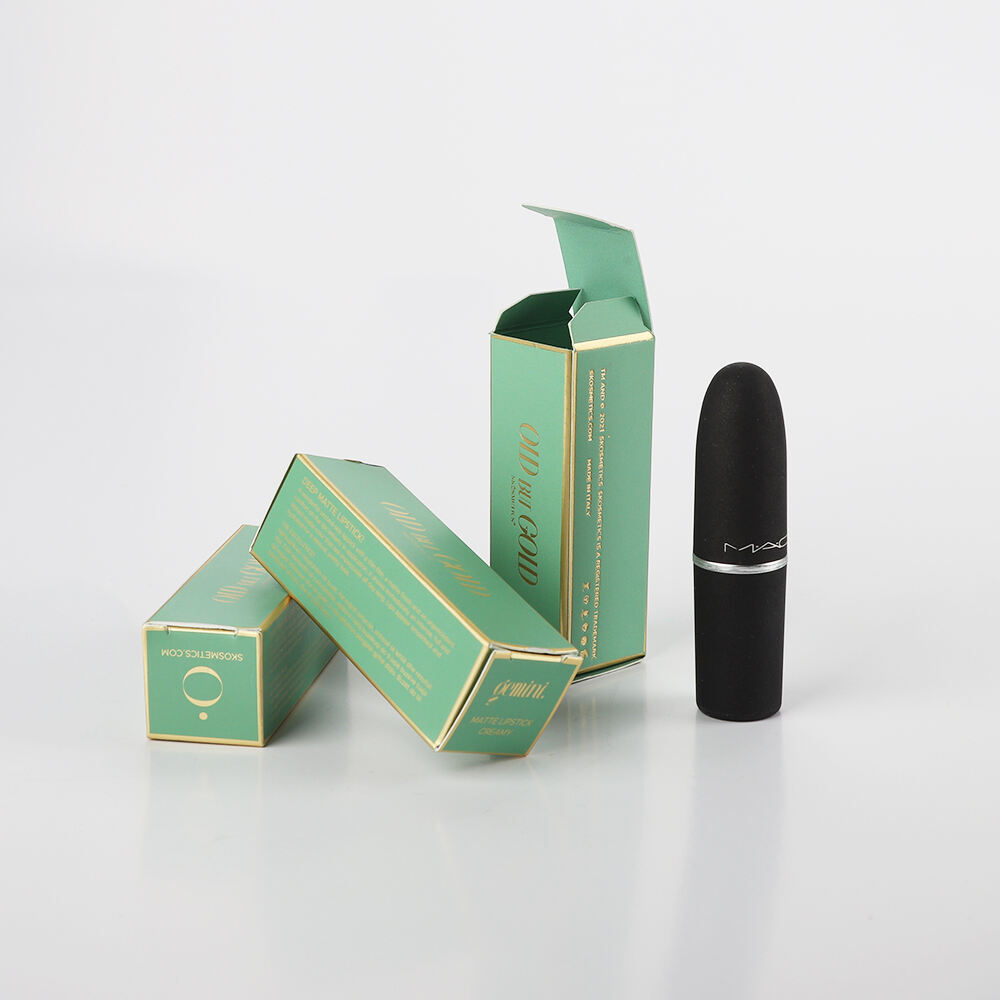
When developing a cosmetic brand, packaging design serves as one of the most critical factors that influence consumer purchasing decisions. A well-designed cosmetic box not only protects the product but also communicates brand values, creates emotional connections with customers, and establishes premium positioning in competitive markets. Understanding the essential considerations for customizing packaging solutions enables beauty brands to create memorable unboxing experiences that drive customer loyalty and increase market share.
Material Selection and Structural Design
Premium Cardboard and Paperboard Options
Selecting appropriate materials forms the foundation of effective cosmetic packaging design. High-quality cardboard and paperboard materials provide excellent printability while maintaining structural integrity during shipping and handling. These materials offer superior surface smoothness that enhances color reproduction and finish quality, ensuring brand graphics appear vibrant and professional. Additionally, sustainable cardboard options appeal to environmentally conscious consumers who increasingly prioritize eco-friendly packaging choices.
The thickness and density of cardboard materials directly impact the perceived value of cosmetic products. Premium brands typically utilize 350GSM to 400GSM cardboard for rigid box construction, providing substantial weight and luxurious feel that customers associate with high-end products. This material selection creates positive first impressions and reinforces brand positioning as premium or luxury segment offerings.
Structural Engineering for Product Protection
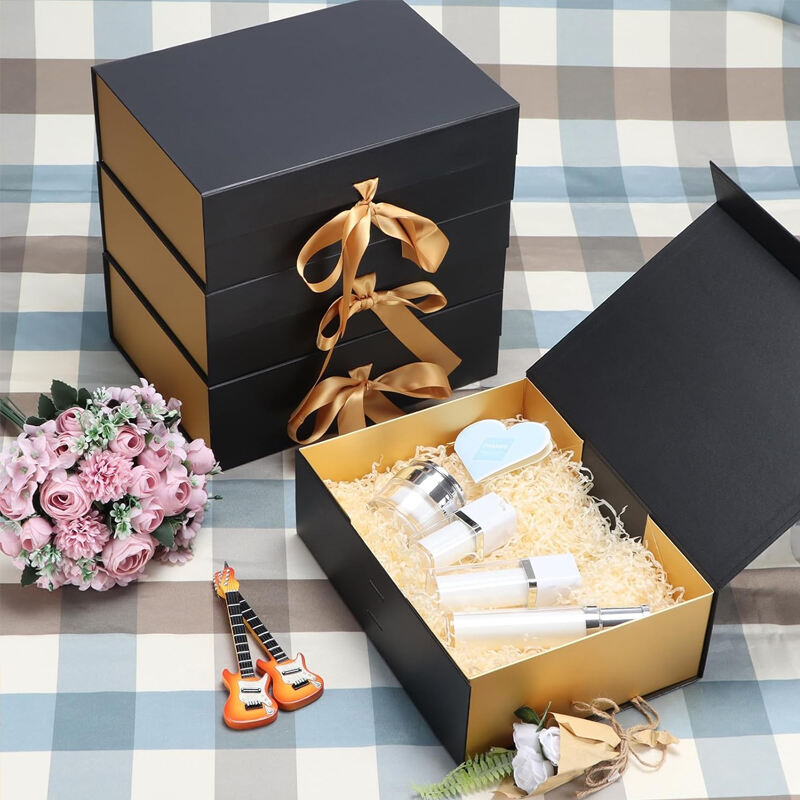
Effective structural design ensures products remain secure during transportation while facilitating easy opening and closing mechanisms. Custom inserts, foam padding, and compartmentalization prevent product movement and potential damage during shipping processes. Magnetic closure systems provide smooth opening experiences that enhance the premium feel of cosmetic box designs while maintaining secure product containment.
Advanced structural features such as ribbon pulls, drawer mechanisms, and telescoping designs create sophisticated unboxing experiences that encourage social media sharing and word-of-mouth marketing. These functional elements transform simple packaging into interactive brand touchpoints that generate positive customer engagement and strengthen brand relationships.
Brand Identity and Visual Design Elements
Logo Integration and Brand Consistency
Consistent brand identity implementation across cosmetic packaging establishes strong visual recognition and reinforces brand messaging. Logo placement, sizing, and color accuracy must align with established brand guidelines to maintain coherent brand presentation across all customer touchpoints. Strategic logo positioning on visible surfaces maximizes brand exposure while maintaining aesthetic balance and visual appeal.
Typography selection plays a crucial role in communicating brand personality and target audience alignment. Elegant serif fonts convey traditional luxury positioning, while modern sans-serif typefaces suggest contemporary innovation and accessibility. Font hierarchy and readability considerations ensure important product information remains clearly visible while supporting overall design aesthetics.
Color Psychology and Finish Applications
Color selection influences consumer emotions and purchasing behaviors, making strategic color application essential for effective cosmetic packaging design. Understanding color psychology enables brands to create desired emotional responses and establish appropriate market positioning. Premium finishes such as metallic foiling, embossing, and spot UV applications add tactile elements that enhance perceived value and create memorable sensory experiences.
Finish consistency across product lines creates cohesive brand presentation while allowing for product differentiation through color variations or accent elements. Matte and gloss finish combinations provide visual interest and premium feel that distinguishes products from competitive offerings in retail environments.
Functionality and User Experience Design
Opening Mechanisms and Accessibility
User-friendly opening mechanisms ensure positive customer experiences while maintaining product security and protection. Magnetic closures, ribbon tabs, and easy-grip surfaces facilitate smooth opening processes that enhance customer satisfaction and encourage repeat purchases. Accessibility considerations ensure packaging accommodates users with varying physical abilities and manual dexterity levels.
Reusability features extend packaging value beyond initial product consumption, creating ongoing brand exposure and customer engagement opportunities. Storage compartments, mirror integration, and repurposing potential encourage customers to retain packaging materials, providing continuous brand visibility and reinforcing product value perceptions.
Size Optimization and Storage Efficiency
Efficient size optimization balances product protection requirements with shipping cost considerations and retail display effectiveness. Right-sizing packaging reduces material waste and transportation expenses while maintaining adequate product cushioning and visual impact. Standardized dimensions facilitate inventory management and shipping optimization across product lines and distribution channels.
Stackability and nesting capabilities improve warehouse efficiency and retail display organization. Modular design approaches enable flexible product bundling and gift set configurations that maximize sales opportunities and accommodate seasonal marketing campaigns or promotional offerings.
Manufacturing Considerations and Quality Control
Production Scalability and Lead Times
Manufacturing scalability ensures consistent quality across production volumes while maintaining cost effectiveness and delivery schedules. Understanding minimum order quantities, production timelines, and capacity constraints enables accurate planning and inventory management. Establishing relationships with reliable manufacturing partners provides flexibility for volume fluctuations and seasonal demand variations.
Quality control processes throughout manufacturing stages prevent defects and maintain brand standards. Regular inspections, material testing, and sample approvals ensure final products meet specifications and customer expectations. Documentation of quality standards facilitates consistent production across multiple manufacturing facilities and time periods.
Cost Management and Budget Optimization
Effective cost management balances quality requirements with budget constraints to achieve optimal value propositions. Understanding cost drivers such as material selection, structural complexity, and finish applications enables informed decision-making and budget allocation. Volume pricing considerations and long-term partnership agreements provide opportunities for cost optimization and improved margins.
Value engineering approaches identify opportunities for cost reduction without compromising quality or brand presentation. Alternative material options, simplified construction methods, and standardized components can reduce manufacturing costs while maintaining desired aesthetic and functional characteristics.
Sustainability and Environmental Impact
Eco-Friendly Material Options
Sustainable packaging solutions address growing consumer environmental concerns while reducing long-term operational costs and regulatory compliance risks. Recycled cardboard materials, biodegradable coatings, and renewable resource utilization demonstrate corporate environmental responsibility and appeal to environmentally conscious consumer segments.
Life cycle assessment considerations evaluate environmental impact throughout packaging production, use, and disposal phases. Sustainable design approaches minimize material usage, reduce energy consumption during manufacturing, and facilitate end-of-life recycling or composting processes that support circular economy principles.
Regulatory Compliance and Certification
Environmental certifications and compliance with regional regulations ensure market accessibility and reduce legal risks. Understanding certification requirements such as FSC, PEFC, or biodegradability standards enables appropriate material selection and supplier qualification processes. Documentation of environmental compliance supports marketing claims and corporate sustainability reporting requirements.
Future regulatory trends and evolving environmental standards require proactive planning and adaptability in packaging design strategies. Monitoring regulatory developments and industry best practices ensures continued compliance and competitive positioning in sustainability-focused markets.
FAQ
What are the most important factors to consider when choosing materials for a cosmetic box
The most critical factors include product protection requirements, brand positioning objectives, budget constraints, and sustainability goals. Premium brands typically require thicker cardboard materials with superior finish quality, while budget-conscious brands may prioritize cost-effective options that still maintain adequate protection and visual appeal. Environmental considerations increasingly influence material selection as consumers demand sustainable packaging solutions.
How does packaging design impact consumer purchasing decisions in the cosmetics industry
Packaging design significantly influences consumer perceptions of product quality, brand credibility, and value proposition. Studies indicate that premium packaging design can increase perceived product value by up to 30% and influence purchase decisions within seconds of initial visual contact. Effective packaging design creates emotional connections, communicates brand values, and differentiates products in competitive retail environments.
What production lead times should brands expect for custom cosmetic packaging
Typical production lead times range from 15-30 days for standard custom designs, while complex structural features or specialty finishes may require 45-60 days. Sample production and approval processes add additional time to overall project timelines. Planning for seasonal campaigns or product launches requires early coordination with manufacturing partners to ensure adequate production scheduling and quality control processes.
How can brands balance sustainability goals with premium packaging aesthetics
Modern sustainable materials and manufacturing processes enable premium aesthetics without compromising environmental responsibility. Advanced printing technologies, eco-friendly finishes, and innovative structural designs create luxurious appearances using sustainable materials. Many consumers now associate environmental responsibility with premium brand positioning, making sustainability a competitive advantage rather than a limitation in premium packaging design.
Table of Contents
- Material Selection and Structural Design
- Brand Identity and Visual Design Elements
- Functionality and User Experience Design
- Manufacturing Considerations and Quality Control
- Sustainability and Environmental Impact
-
FAQ
- What are the most important factors to consider when choosing materials for a cosmetic box
- How does packaging design impact consumer purchasing decisions in the cosmetics industry
- What production lead times should brands expect for custom cosmetic packaging
- How can brands balance sustainability goals with premium packaging aesthetics

