 EN
EN

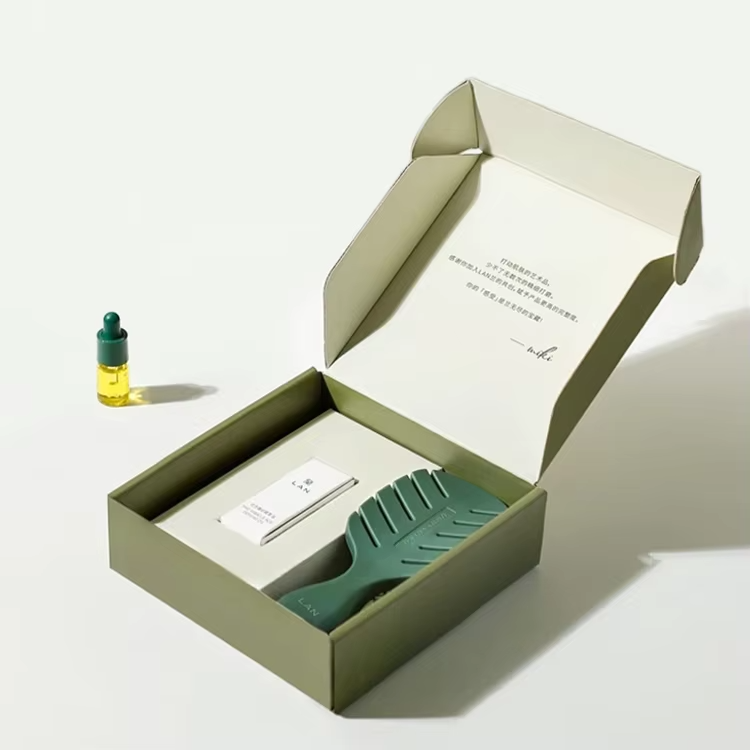
The beauty industry has witnessed unprecedented growth in recent years, with consumers becoming increasingly discerning about product presentation and packaging. A well-designed cosmetic box serves as the crucial first impression between brand and consumer, often determining whether a skincare product succeeds in competitive retail environments. Premium packaging solutions have evolved beyond mere protection to become powerful marketing tools that communicate brand values, enhance perceived quality, and drive purchase decisions across diverse market segments.
Modern skincare brands recognize that packaging represents a significant investment opportunity rather than merely functional necessity. Consumer psychology research consistently demonstrates that packaging quality directly correlates with perceived product efficacy and brand trustworthiness. When customers encounter expertly crafted packaging, their expectations for product performance increase substantially, creating positive psychological associations that extend throughout the entire user experience from initial purchase through daily application rituals.
Brand Identity Enhancement Through Premium Packaging
Visual Communication and Brand Recognition
Effective packaging design establishes immediate brand recognition through consistent visual elements including color schemes, typography, logos, and graphic treatments. A professionally designed cosmetic box functions as a three-dimensional advertisement that communicates brand personality without requiring verbal explanation. Luxury skincare brands leverage sophisticated design principles to convey exclusivity, while natural product lines utilize earth tones and organic textures to emphasize their commitment to sustainability and wellness.
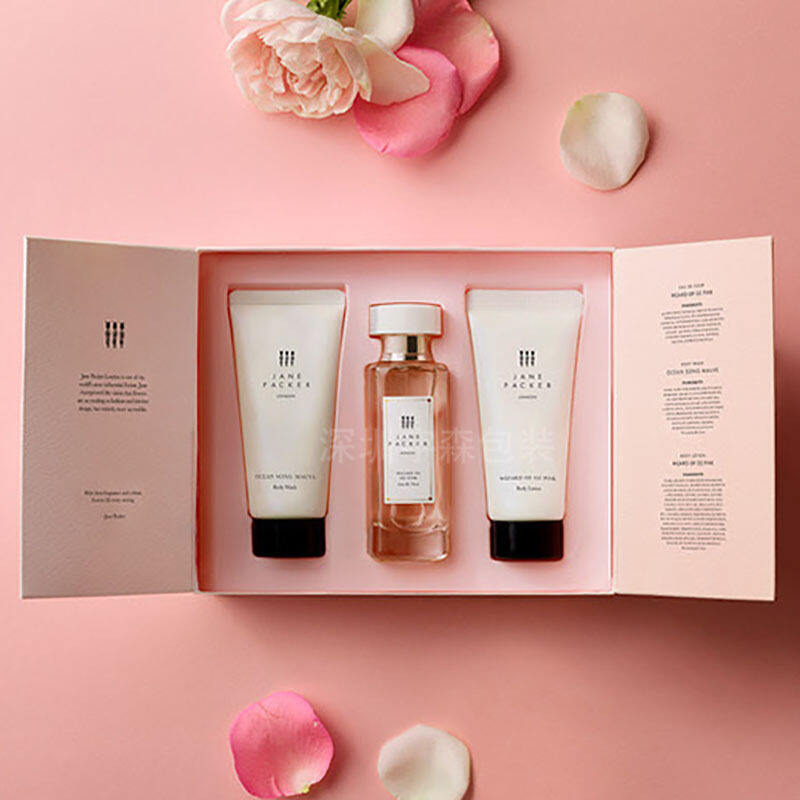
Strategic color psychology plays a fundamental role in packaging effectiveness, with specific hues triggering emotional responses that align with intended brand positioning. Premium beauty brands frequently employ deep blacks, metallic accents, or minimalist white designs to suggest sophistication and clinical efficacy. Conversely, organic skincare companies often select green palettes and kraft materials to reinforce environmental consciousness and natural ingredient sourcing practices.
Differentiation in Competitive Markets
Distinctive packaging design enables brands to establish unique market positions within saturated beauty categories where functional differences between competing products may be minimal. A thoughtfully conceived cosmetic box can transform commodity skincare items into premium lifestyle products that command higher price points and generate stronger customer loyalty. Innovative structural designs, unique opening mechanisms, and tactile finishing techniques create memorable unboxing experiences that encourage social media sharing and word-of-mouth promotion.
Market research indicates that consumers frequently make purchasing decisions within seconds of encountering products on retail shelves, emphasizing the critical importance of immediate visual impact. Packaging that successfully captures attention while accurately representing product benefits significantly increases conversion rates compared to generic or poorly designed alternatives. This phenomenon becomes particularly pronounced in self-service retail environments where personal consultation is unavailable.
Product Protection and Preservation Benefits
Physical Security During Transportation
Quality packaging materials and structural engineering provide essential protection against physical damage during shipping, handling, and storage processes. Skincare products often contain delicate formulations sensitive to temperature fluctuations, light exposure, and mechanical stress. Properly designed packaging systems incorporate cushioning materials, barrier layers, and reinforcement structures that maintain product integrity from manufacturing facility through final consumer delivery.
Advanced packaging solutions utilize specialized materials engineered to withstand specific environmental challenges including moisture infiltration, oxygen exposure, and ultraviolet radiation. These protective features become particularly crucial for active skincare ingredients such as retinoids, vitamin C derivatives, and peptide complexes that can degrade rapidly when exposed to adverse conditions. Investment in superior packaging materials often prevents costly product returns and maintains consistent quality standards that support long-term brand reputation.
Ingredient Stability and Shelf Life Extension
Modern packaging technologies incorporate barrier properties that significantly extend product shelf life while maintaining ingredient potency throughout extended storage periods. Specialized coatings, laminated structures, and inert atmosphere packaging systems protect sensitive formulations from oxidation, contamination, and degradation processes that compromise efficacy. These preservation benefits translate directly into improved customer satisfaction and reduced waste throughout the supply chain.
Temperature-resistant packaging materials enable skincare products to maintain stability across diverse climate conditions encountered during global distribution networks. This capability becomes increasingly important as beauty brands expand into international markets with varying environmental conditions. Effective packaging design ensures consistent product performance regardless of geographic location or seasonal temperature variations.
Consumer Experience and Perceived Value
Unboxing Psychology and Emotional Engagement
The unboxing experience has emerged as a critical touchpoint in modern consumer relationships, particularly within the beauty industry where ritual and ceremony play significant roles in daily routines. Thoughtfully designed packaging creates anticipation and excitement that enhances perceived product value while establishing positive emotional associations with the brand. Luxury packaging elements such as magnetic closures, ribbon pulls, and nested compartments transform routine product usage into special occasions.
Research in consumer psychology demonstrates that elaborate unboxing experiences trigger reward pathways in the brain similar to those activated during gift-receiving scenarios. This neurological response creates lasting positive memories associated with the brand, increasing customer retention rates and encouraging repeat purchases. Beauty brands that invest in premium packaging often observe higher customer lifetime values compared to competitors with standard packaging approaches.
Perceived Quality and Price Justification
Packaging quality serves as a primary indicator of product value in consumer decision-making processes, particularly when customers cannot directly evaluate product performance before purchase. Premium packaging materials, sophisticated printing techniques, and attention to finishing details signal investment in quality that extends to product formulations and manufacturing processes. This perception enables brands to command premium pricing while maintaining competitive positioning.
Studies consistently show that consumers associate packaging sophistication with product efficacy, creating powerful psychological justifications for higher price points. This relationship becomes particularly pronounced in skincare categories where results may not be immediately visible, requiring customers to rely on external quality indicators when making purchasing decisions. Exceptional packaging design effectively communicates value propositions that might otherwise require extensive marketing communications to establish.
Marketing and Communication Advantages
Silent Salesperson Functionality
Effective packaging functions as a silent salesperson that communicates key product benefits, usage instructions, and brand messages without requiring human intervention. Strategic placement of benefit claims, ingredient highlights, and usage imagery on packaging surfaces enables products to sell themselves in self-service retail environments. This capability becomes increasingly valuable as beauty retailers reduce staffing levels while expanding product assortments.
Well-designed packaging incorporates visual hierarchy principles that guide consumer attention toward the most compelling product attributes while maintaining aesthetic appeal. Effective use of typography, color contrast, and graphic elements ensures that critical information remains visible and comprehensible even in crowded retail displays. This communication efficiency significantly improves conversion rates compared to products with unclear or cluttered packaging designs.
Social Media and Shareability Factors
Instagram-worthy packaging design has become essential for beauty brands seeking organic social media exposure and user-generated content creation. Photogenic packaging encourages customers to share unboxing experiences, product collections, and daily routines with their social networks, creating valuable authentic marketing content. This organic promotion often proves more effective than traditional advertising approaches, particularly among younger demographic segments who prioritize peer recommendations over corporate messaging.
Packaging elements specifically designed for social media appeal include minimalist aesthetics, metallic accents, unique shapes, and interactive features that create engaging photo opportunities. Brands that successfully integrate shareability factors into packaging design often achieve viral marketing success that significantly amplifies their marketing investments while building authentic community engagement around their products.
Sustainability and Environmental Considerations
Eco-Friendly Material Innovation
Growing environmental consciousness among consumers has created significant demand for sustainable packaging solutions that minimize ecological impact without compromising functionality or aesthetic appeal. Modern eco-friendly packaging materials include recycled cardboard, biodegradable plastics, plant-based inks, and renewable fiber sources that reduce carbon footprints while maintaining professional appearance standards. These sustainable approaches often enhance brand reputation among environmentally conscious consumers.
Innovative packaging companies have developed sophisticated sustainable materials that rival traditional options in terms of durability, printability, and cost-effectiveness. These advances enable beauty brands to adopt environmentally responsible packaging strategies without sacrificing visual impact or protective capabilities. Consumer willingness to pay premium prices for sustainable packaging options continues to grow, creating business incentives for environmental responsibility.
Circular Economy Integration
Forward-thinking beauty brands are implementing circular economy principles through refillable packaging systems, take-back programs, and upcycling initiatives that extend packaging lifecycles beyond single-use applications. These approaches reduce waste generation while creating ongoing customer engagement opportunities that strengthen brand relationships. Refillable packaging systems, in particular, offer compelling value propositions for both environmental impact and long-term cost savings.
Packaging design for circular economy applications requires consideration of disassembly, cleaning, and refurbishment processes that enable multiple usage cycles. This design philosophy often results in more durable, higher-quality packaging solutions that enhance perceived value while supporting sustainability objectives. Brands successfully implementing circular packaging strategies often achieve competitive advantages through reduced material costs and enhanced customer loyalty.
FAQ
How does premium packaging impact skincare product sales
Premium packaging significantly increases skincare product sales by enhancing perceived value, improving shelf appeal, and creating positive first impressions that influence purchase decisions. Studies indicate that products with professional packaging can achieve 20-30% higher sales volumes compared to identical products in standard packaging, particularly in competitive retail environments where visual differentiation is crucial.
What materials work best for cosmetic packaging sustainability
Recycled cardboard, FSC-certified paper, biodegradable plastics, and plant-based materials offer excellent sustainability profiles for cosmetic packaging applications. These materials provide adequate protection while minimizing environmental impact, and many can be recycled or composted at end-of-life. The key is selecting materials that balance sustainability goals with functional requirements and aesthetic standards.
Can packaging design influence customer loyalty in beauty products
Yes, exceptional packaging design significantly influences customer loyalty by creating memorable experiences that strengthen emotional connections with beauty brands. Premium unboxing experiences, consistent visual identity, and functional design elements that enhance daily usage routines all contribute to increased customer retention rates and higher lifetime values in beauty product categories.
What role does packaging play in skincare product pricing strategies
Packaging quality directly influences pricing flexibility by affecting perceived value and justifying premium price points. High-quality packaging enables brands to position products in luxury market segments while standard packaging typically restricts pricing to mass-market levels. The investment in premium packaging often generates returns through higher margins and improved competitive positioning.

