 EN
EN


When entering the competitive beauty industry, understanding the financial implications of packaging decisions becomes crucial for business success. A custom cosmetic box represents more than just a protective container; it serves as a powerful marketing tool that can significantly influence consumer purchasing decisions and brand perception. The cost structure for custom cosmetic box manufacturing involves multiple variables that require careful consideration to optimize both quality and budget allocation. Manufacturing expenses vary dramatically based on material selection, design complexity, production volume, and finishing techniques. Smart businesses recognize that investing in quality packaging can yield substantial returns through enhanced brand recognition and customer loyalty.
Material Selection Impact on Production Costs
Cardboard and Paperboard Options
The foundation of any custom cosmetic box lies in its material composition, which directly affects both manufacturing costs and perceived value. Standard cardboard options typically offer the most economical solution for brands operating on tight budgets, while maintaining adequate protection for most cosmetic products. Premium paperboard varieties, such as coated stocks or specialty substrates, command higher prices but deliver superior print quality and structural integrity. The thickness measurement, commonly expressed in points or GSM, influences both material costs and shipping expenses due to weight considerations.
Recycled content materials have gained popularity as sustainability becomes increasingly important to consumers, though these options may carry premium pricing due to specialized sourcing requirements. Virgin fiber materials generally provide better printing capabilities and structural consistency, making them ideal for brands prioritizing visual impact. The choice between different cardboard grades requires balancing cost considerations with the intended product positioning and target market expectations.
Premium Material Alternatives
Luxury brands often opt for rigid box construction using materials like chipboard or solid fiber board, which significantly increases production costs while delivering exceptional unboxing experiences. These materials require specialized manufacturing equipment and longer production times, contributing to higher per-unit expenses. Specialty papers, including textured surfaces, metallic finishes, or embossed stocks, can double or triple base material costs while creating distinctive tactile experiences.
Sustainable material alternatives, such as bamboo fiber or agricultural waste-based papers, represent emerging options that may carry premium pricing due to limited supply chains and specialized processing requirements. The environmental benefits of these materials often justify higher costs for brands targeting eco-conscious consumers. Material certification requirements, such as FSC compliance or food-grade safety standards, add additional cost layers that must be factored into overall budgeting calculations.
Design Complexity and Customization Factors
Structural Design Elements
The structural complexity of a custom cosmetic box directly correlates with manufacturing difficulty and associated costs. Simple tuck-end boxes represent the most economical option, requiring minimal setup time and standard die-cutting processes. Multi-compartment designs, magnetic closures, or intricate folding patterns demand specialized tooling and increased labor time, substantially impacting production expenses. Insert requirements for product protection or presentation purposes add material costs and assembly time to the overall manufacturing process.
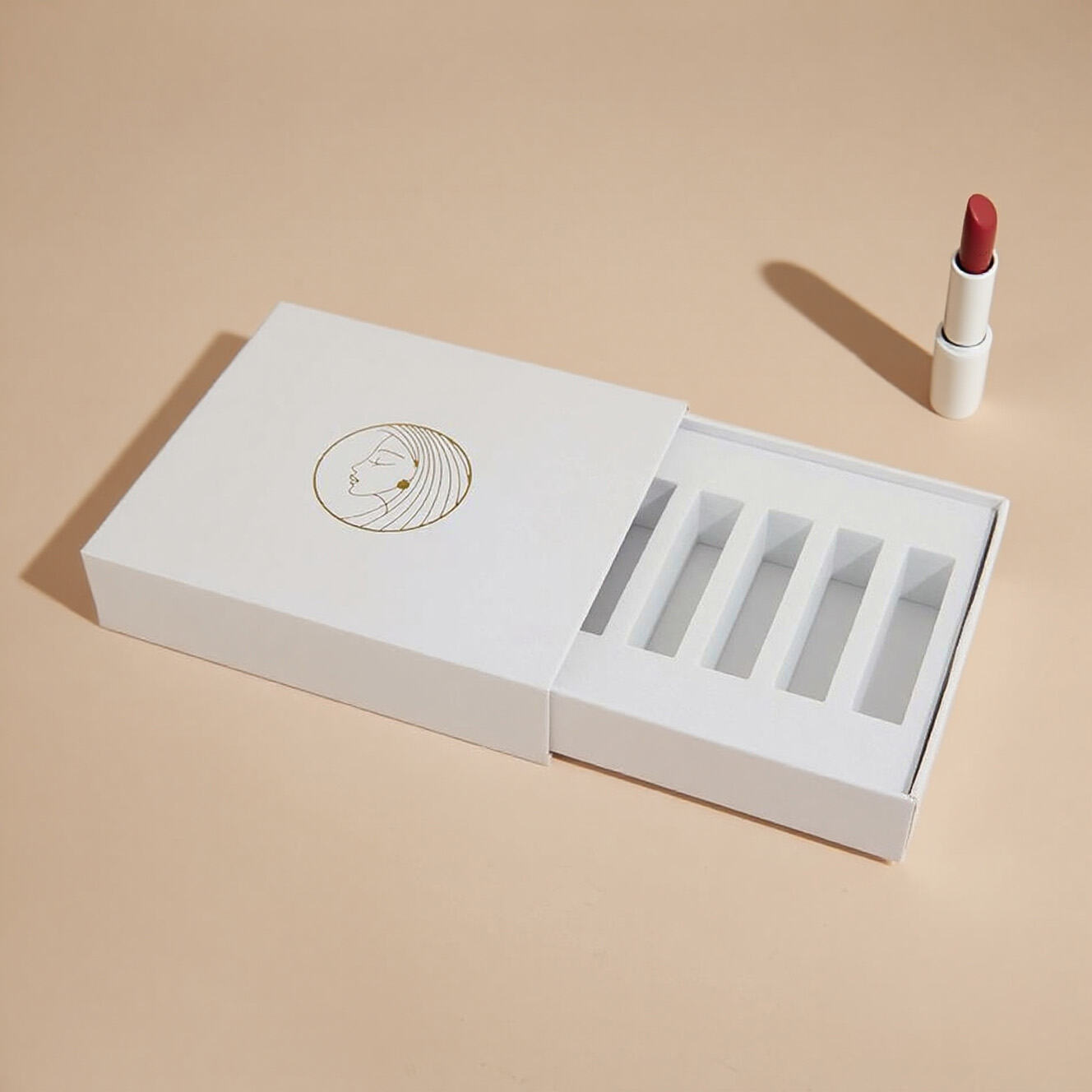
Window cutouts for product visibility require precise cutting operations and often necessitate clear film or plastic components, increasing both material and labor costs. Telescoping box designs or drawer-style constructions involve multiple components that must be manufactured separately and assembled, multiplying production complexity. The number of glue points and assembly steps directly affects labor time and potential quality control issues, influencing final pricing structures.
Graphic Design and Printing Requirements
Full-color printing processes significantly impact custom cosmetic box production costs, with offset printing generally offering better economies of scale for larger quantities. Digital printing provides cost advantages for smaller runs but may limit color accuracy and special effect options. The number of ink colors specified affects setup costs and press time, with each additional color requiring separate plates and registration adjustments.
Special printing techniques such as foil stamping, embossing, or spot UV coatings can increase production costs by 30-50% while creating premium visual effects. Pantone color matching requirements may necessitate special ink mixing, adding setup time and material costs. The complexity of graphic elements, including gradients, fine details, or photographic images, influences plate-making costs and press run efficiency.
Production Volume Economics
Minimum Order Quantity Considerations
Manufacturing facilities typically establish minimum order quantities to ensure cost-effective production runs, with custom cosmetic box orders often requiring 1,000-10,000 piece minimums. Setup costs for die creation, plate making, and press configuration remain relatively fixed regardless of order size, making smaller quantities disproportionately expensive on a per-unit basis. The relationship between order volume and unit cost follows a declining curve, with significant savings achieved at higher quantity thresholds.
Tooling costs for custom die-cutting shapes represent one-time expenses that can be amortized across larger production runs, reducing per-unit impact for substantial orders. Press setup time and color calibration procedures create fixed costs that benefit from longer production runs, improving overall efficiency. Storage and inventory management considerations may influence optimal order quantities, balancing unit cost savings against carrying costs and cash flow implications.
Scaling Benefits and Break Points
Manufacturing efficiency improvements become apparent at various volume thresholds, with many facilities offering significant discounts at 5,000, 10,000, and 25,000 piece quantities. The transition from digital to offset printing typically occurs around 2,500-5,000 pieces, offering substantial cost reductions for larger volumes. Automated finishing processes become viable at higher volumes, reducing labor costs and improving consistency while decreasing per-unit expenses.
Supply chain efficiencies emerge at larger volumes through bulk material purchasing and optimized shipping arrangements. The ability to negotiate better terms with suppliers and logistics providers creates additional cost advantages for brands planning substantial custom cosmetic box quantities. Production scheduling flexibility improves with larger orders, allowing manufacturers to optimize press runs and reduce rush charges that smaller orders might incur.
Finishing Techniques and Special Effects
Surface Enhancement Options
Surface finishing techniques play a crucial role in determining the final cost structure of custom cosmetic box production. Matte or gloss lamination processes add protective qualities while enhancing visual appeal, typically increasing costs by 15-25% depending on coverage requirements. Soft-touch coatings create luxurious tactile experiences but require specialized application equipment and curing processes, substantially impacting production expenses.
UV spot coating applications allow for selective enhancement of specific design elements, creating contrast and visual interest at moderate cost increases. Aqueous coatings provide basic protection and sheen enhancement at lower cost points compared to lamination processes. The choice of finishing technique affects not only immediate production costs but also influences shipping weights and storage requirements due to thickness additions.
Premium Enhancement Features
Foil stamping operations require specialized equipment and consumable materials that significantly increase production costs, typically adding 40-60% to base printing expenses. Hot stamping processes demand precise temperature control and pressure application, requiring skilled operators and longer setup times. The complexity of foil designs influences tooling costs and application difficulty, with intricate patterns requiring multiple passes or specialized techniques.
Embossing and debossing techniques create dimensional effects that command premium pricing due to specialized tooling requirements and precise pressure control needs. Combination techniques, such as embossed foil stamping, multiply complexity and costs while delivering exceptional visual impact. The integration of multiple enhancement techniques requires careful coordination and may necessitate additional handling steps that increase labor costs and potential quality issues.
Geographic and Logistical Considerations
Manufacturing Location Impact
The geographic location of manufacturing facilities significantly influences custom cosmetic box production costs through labor rates, material availability, and regulatory requirements. Domestic production typically commands premium pricing but offers advantages in communication, quality control, and shorter lead times. Offshore manufacturing options may provide substantial cost savings while introducing complexity in logistics, quality assurance, and communication management.
Regional material availability affects raw material costs and transportation expenses, with some specialty papers or finishing materials requiring long-distance shipping. Labor skill levels and training requirements vary by location, influencing quality consistency and production efficiency. Regulatory compliance costs, including environmental standards and safety requirements, vary significantly between manufacturing regions and can impact overall project expenses.
Shipping and Distribution Expenses
Transportation costs represent a significant component of total custom cosmetic box expenses, particularly for bulky packaging materials with high volume-to-weight ratios. Ocean freight provides the most economical option for large quantities but requires longer lead times and careful moisture protection. Air freight offers speed advantages but dramatically increases costs, making it suitable primarily for urgent or high-value shipments.
Packaging optimization for shipping can reduce freight costs through efficient nesting and stacking arrangements, though this may require additional planning and coordination efforts. Customs duties, import taxes, and brokerage fees add cost layers for international shipments that must be factored into total project budgets. Insurance requirements for valuable shipments or specialized handling needs can further increase transportation expenses.
Quality Control and Testing Expenses
Production Quality Assurance
Quality control measures represent essential cost components in custom cosmetic box production, ensuring consistent output and customer satisfaction. Pre-production sampling typically requires 3-5 prototype iterations, each involving setup costs and material expenses. Color matching procedures may necessitate multiple press checks and adjustments, adding time and material costs to ensure brand consistency.
In-line quality monitoring during production runs requires skilled inspection personnel and may slow production speeds to maintain accuracy standards. Statistical process control measures help identify issues early but require additional documentation and tracking systems. The cost of quality failures, including reprints and rush charges, often exceeds prevention investments, making robust quality systems financially beneficial.
Compliance and Testing Requirements
Regulatory compliance testing for cosmetic packaging materials involves various safety and environmental assessments that add cost layers to custom cosmetic box projects. Migration testing ensures that packaging materials do not contaminate cosmetic products, requiring specialized laboratory analysis and documentation. Child-resistant testing may be necessary for certain product categories, involving complex mechanical testing procedures and certification processes.
Sustainability certifications, such as recyclability testing or carbon footprint assessments, represent growing requirements that influence both material selection and testing expenses. International market requirements may demand multiple testing certifications, multiplying compliance costs for brands targeting global distribution. The documentation and traceability requirements for certified materials add administrative costs throughout the supply chain.
FAQ
How do minimum order quantities affect custom cosmetic box pricing
Minimum order quantities significantly impact per-unit costs because setup expenses remain fixed regardless of production volume. Manufacturers typically require 1,000-10,000 piece minimums to justify tooling and press setup costs. Smaller quantities result in higher per-unit pricing due to the inability to spread fixed costs across sufficient volume. The relationship between quantity and cost follows a declining curve, with substantial savings achieved at 5,000, 10,000, and 25,000 piece thresholds where automated processes and bulk material purchasing become viable.
What factors contribute most to custom cosmetic box cost variations
Material selection represents the primary cost driver, with premium substrates potentially doubling base expenses compared to standard cardboard options. Finishing techniques such as foil stamping, embossing, or specialty coatings can increase costs by 40-60% while structural complexity through magnetic closures or multi-compartment designs adds significant manufacturing difficulty. Production volume economics create substantial per-unit variations, with larger quantities benefiting from setup cost amortization and manufacturing efficiency improvements.
How do international sourcing decisions impact total project costs
International sourcing can provide 30-50% cost savings on manufacturing while introducing additional expenses through shipping, customs duties, and extended lead times. Transportation costs become significant for bulky packaging materials, with ocean freight requiring 4-6 weeks but offering economical rates for large volumes. Quality control challenges may increase oversight costs and require additional sampling procedures, while currency fluctuations and payment terms can affect total project expenses throughout production cycles.
When do premium finishing techniques justify their additional costs
Premium finishing techniques justify their costs when targeting luxury market segments where perceived value and unboxing experience directly influence purchasing decisions. Brands positioning products above mid-market price points typically see positive returns from enhanced packaging investments through increased consumer willingness to pay premium prices. The decision depends on target market analysis, competitive positioning requirements, and the ability to communicate value through marketing channels that emphasize packaging quality and brand experience elements.

