 EN
EN

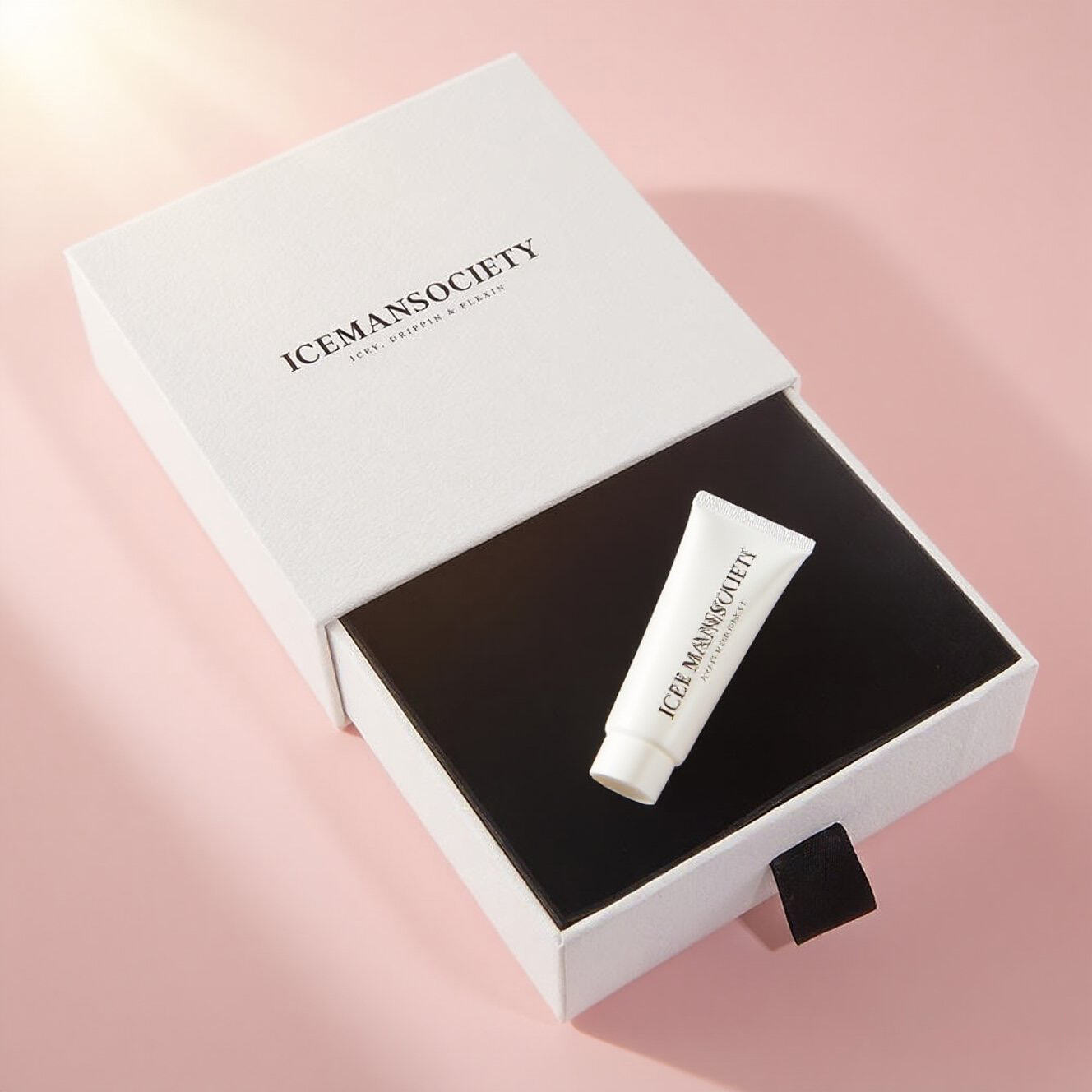
In today's competitive beauty market, the design of a cosmetic box plays a crucial role in attracting consumers and driving sales. With thousands of beauty products competing for attention on retail shelves, brands must create packaging that not only protects their products but also communicates their unique value proposition at first glance. A well-designed cosmetic box serves as a silent salesperson, influencing purchasing decisions within seconds of visual contact. The strategic approach to cosmetic box design involves understanding consumer psychology, market trends, and technical packaging requirements to create solutions that resonate with target audiences.
Understanding Consumer Psychology in Cosmetic Box Design
Visual Impact and First Impressions
The human brain processes visual information in milliseconds, making the initial impact of a cosmetic box absolutely critical for retail success. Research indicates that consumers form opinions about products within 90 seconds of viewing, with up to 90% of that assessment based solely on visual elements. This rapid decision-making process emphasizes the importance of creating cosmetic box designs that immediately communicate quality, brand identity, and product benefits through strategic use of colors, typography, and imagery.
Successful cosmetic box designs leverage psychological principles such as the halo effect, where positive impressions of packaging translate to perceived product quality. Premium finishes, elegant color schemes, and sophisticated graphics can elevate consumer perception of even affordable products. Conversely, poor packaging design can negatively impact premium products, regardless of their actual quality or formulation.
Emotional Connection Through Design Elements
Emotional resonance forms the foundation of memorable cosmetic box design that drives repeat purchases and brand loyalty. Colors evoke specific emotional responses, with warm tones like gold and rose suggesting luxury and sophistication, while cool blues and greens convey freshness and natural ingredients. The strategic selection of design elements must align with the target demographic's aspirations and lifestyle preferences.
Texture and tactile elements add another dimension to the emotional experience of cosmetic box interaction. Soft-touch coatings, embossed patterns, and metallic foils create sensory engagement that extends beyond visual appeal. These premium finishing techniques help justify higher price points while creating memorable unboxing experiences that consumers often share on social media platforms.
Strategic Color Psychology for Maximum Shelf Impact
Color Theory Applications in Beauty Packaging
Color selection represents one of the most powerful tools in cosmetic box design, directly influencing consumer behavior and purchase decisions. Different color palettes communicate distinct brand personalities and product categories, with black and gold traditionally associated with luxury cosmetics, while pastels suggest gentle, natural formulations. Understanding color psychology enables brands to position their products strategically within competitive retail environments.
The application of color contrast principles ensures optimal visibility and readability of cosmetic box designs on crowded retail shelves. High contrast combinations between background colors and text elements improve legibility from various viewing distances, while complementary color schemes create visual harmony that appeals to consumer aesthetics. Brands must balance boldness with sophistication to achieve standout appeal without appearing garish or unprofessional.
Cultural Considerations and Global Market Adaptation
Global beauty brands must consider cultural color associations when designing cosmetic box packaging for international markets. While white symbolizes purity and cleanliness in Western cultures, it may represent mourning in certain Asian cultures, potentially creating negative product associations. Similarly, red conveys luck and prosperity in Chinese markets but may suggest danger or warning in other regions.
Successful cosmetic box design strategies often incorporate regional color preferences while maintaining core brand identity elements. This approach allows brands to adapt to local market preferences without completely redesigning their packaging systems, ensuring cost-effective global distribution while maximizing local market appeal and cultural relevance.
Typography and Information Hierarchy Optimization
Font Selection for Brand Personality Communication
Typography choices significantly impact how consumers perceive brand personality and product positioning through cosmetic box design. Serif fonts typically convey traditional elegance and timeless sophistication, making them ideal for heritage beauty brands or anti-aging products. Sans-serif typefaces suggest modernity, cleanliness, and innovation, aligning well with contemporary beauty brands targeting younger demographics.
Script and decorative fonts can add personality and uniqueness to cosmetic box designs but require careful application to maintain readability. These specialty typefaces work best for brand names or product highlights rather than detailed product information, which requires clear, legible fonts for regulatory compliance and consumer comprehension.
Information Architecture and Regulatory Compliance
Effective cosmetic box design balances aesthetic appeal with functional information delivery, ensuring consumers can quickly identify key product benefits and usage instructions. Information hierarchy principles guide the placement and sizing of various text elements, with brand names and product benefits receiving prominent positioning while regulatory information maintains necessary visibility without overwhelming the design.
The integration of regulatory requirements into visually appealing cosmetic box designs requires strategic planning and creative problem-solving. Ingredient lists, warnings, and certification marks must be prominently displayed while maintaining overall design cohesion. Innovative solutions include QR codes linking to detailed product information, allowing for cleaner packaging designs without compromising regulatory compliance.
Material Selection and Sustainability Considerations
Premium Materials for Luxury Positioning
Material selection directly impacts consumer perception of product quality and brand positioning in cosmetic box design. Rigid paperboard provides structural integrity and premium feel while offering excellent printing surfaces for high-quality graphics. Specialty materials like metallic cardstock, textured papers, and laminated finishes create tactile experiences that reinforce luxury brand positioning.
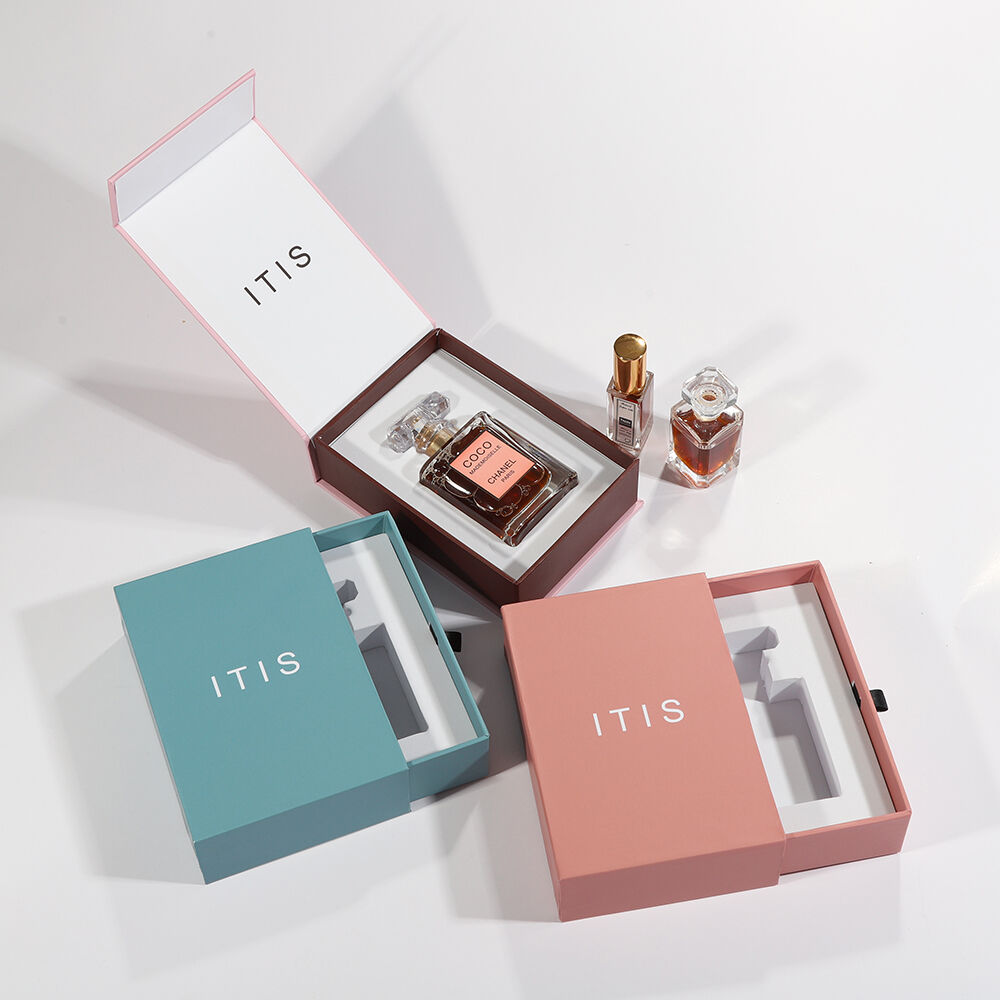
The choice between different cosmetic box construction methods affects both aesthetics and functionality. Magnetic closure boxes provide premium unboxing experiences suitable for gift sets and high-end products, while tuck-end boxes offer cost-effective solutions for everyday beauty items without compromising professional appearance.
Environmental Responsibility in Modern Packaging
Contemporary consumers increasingly prioritize environmental sustainability when making purchasing decisions, making eco-friendly cosmetic box design a competitive advantage rather than optional consideration. Recycled and recyclable materials, biodegradable coatings, and minimal packaging approaches appeal to environmentally conscious consumers while reducing production costs and environmental impact.
Sustainable cosmetic box design strategies include optimizing package sizes to reduce material waste and transportation costs while maintaining product protection and visual impact. Innovative solutions like seed paper inserts, plant-based inks, and compostable protective films allow brands to demonstrate environmental commitment without compromising packaging functionality or aesthetic appeal.
Structural Design Innovation for Functional Excellence
Ergonomic Considerations and User Experience
Modern cosmetic box design must prioritize user experience through ergonomic considerations that enhance product accessibility and storage convenience. Opening mechanisms should operate smoothly and intuitively, while internal product positioning ensures secure transport and attractive presentation. Thoughtful structural design prevents product damage while creating satisfying unboxing experiences that encourage social media sharing.
Innovative cosmetic box structures incorporate features like magnetic closures, sliding drawers, and compartmentalized interiors that add functional value beyond basic product protection. These premium structural elements justify higher price points while creating memorable brand interactions that foster customer loyalty and repeat purchases.
Protection and Preservation Requirements
Effective cosmetic box design must balance aesthetic appeal with product protection requirements, ensuring cosmetic formulations maintain quality throughout distribution and retail display. Light-sensitive products require opaque packaging materials, while fragile items need cushioning systems and rigid structural support to prevent damage during shipping and handling.
Climate considerations influence cosmetic box material selection and construction methods, particularly for products distributed in varying environmental conditions. Moisture barriers, temperature resistance, and UV protection capabilities must be integrated into packaging designs without compromising visual appeal or increasing costs beyond acceptable margins.
Brand Differentiation Through Unique Design Elements
Distinctive Visual Identity Development
Creating distinctive cosmetic box designs requires thorough competitor analysis and strategic differentiation planning to ensure retail shelf visibility and brand recognition. Unique color combinations, signature patterns, and proprietary design elements help establish ownable brand territories within competitive beauty categories while maintaining broad consumer appeal.
The development of signature design elements for cosmetic box applications involves balancing creativity with practical manufacturing considerations. Complex die-cut shapes, multiple printing processes, and specialty finishes can create stunning visual impact but may increase production costs and minimum order quantities, requiring careful cost-benefit analysis during design development phases.
Seasonal Adaptability and Limited Edition Strategies
Successful beauty brands leverage seasonal cosmetic box design variations to maintain consumer interest and drive repeat purchases throughout the year. Holiday-themed packaging, limited edition collections, and seasonal color adaptations create urgency and collectibility while maximizing marketing campaign effectiveness.
Limited edition cosmetic box designs provide opportunities for creative experimentation and market testing of new design directions without committing to permanent packaging changes. These special releases generate social media buzz, attract new customers, and provide valuable consumer feedback for future permanent packaging decisions.
Technology Integration and Future-Forward Design
Digital Enhancement Opportunities
Modern cosmetic box design increasingly incorporates digital technology integration to enhance consumer engagement and provide additional value beyond product protection. QR codes, augmented reality triggers, and NFC tags can link physical packaging to digital content including tutorials, ingredient information, and personalized recommendations.
Smart packaging technologies enable brands to track product authenticity, gather usage data, and provide personalized customer experiences through cosmetic box interactions. These technological enhancements create competitive advantages while providing valuable consumer insights for future product development and marketing strategies.
Personalization and Customization Trends
Consumer demand for personalized beauty experiences drives innovation in customizable cosmetic box design systems that allow individual expression while maintaining brand consistency. Variable printing technologies enable cost-effective personalization options including custom names, colors, and design elements that create unique products for individual consumers.
The implementation of mass customization strategies in cosmetic box production requires flexible manufacturing systems and digital workflow optimization. Brands must balance personalization capabilities with production efficiency to offer meaningful customization options without prohibitive cost increases or extended delivery times.
FAQ
What makes a cosmetic box design effective for retail environments
An effective cosmetic box design combines visual impact, clear information hierarchy, and premium materials to create immediate shelf appeal and communicate product benefits quickly. Key elements include strategic color selection for category differentiation, legible typography for easy product identification, and structural integrity for product protection during retail handling.
How important is sustainability in modern cosmetic box design
Sustainability has become increasingly crucial in cosmetic box design as consumers prioritize environmental responsibility in purchasing decisions. Eco-friendly materials, recyclable construction, and minimal packaging approaches not only appeal to conscious consumers but also reduce production costs and demonstrate corporate social responsibility, creating competitive advantages in the modern beauty market.
What role does color psychology play in cosmetic box success
Color psychology significantly influences consumer perception and purchasing behavior in cosmetic box design. Strategic color selection can communicate brand personality, target demographic preferences, and product benefits while ensuring optimal shelf visibility and competitive differentiation. Understanding cultural color associations also enables successful global market expansion.
How can small beauty brands compete with established companies through packaging design
Small beauty brands can leverage innovative cosmetic box design to compete effectively by focusing on unique visual elements, premium finishing techniques, and targeted demographic appeal. Creative use of sustainable materials, personalization options, and distinctive brand storytelling through packaging design can create competitive advantages without requiring massive marketing budgets typical of established beauty corporations.
Table of Contents
- Understanding Consumer Psychology in Cosmetic Box Design
- Strategic Color Psychology for Maximum Shelf Impact
- Typography and Information Hierarchy Optimization
- Material Selection and Sustainability Considerations
- Structural Design Innovation for Functional Excellence
- Brand Differentiation Through Unique Design Elements
- Technology Integration and Future-Forward Design
- FAQ

