 EN

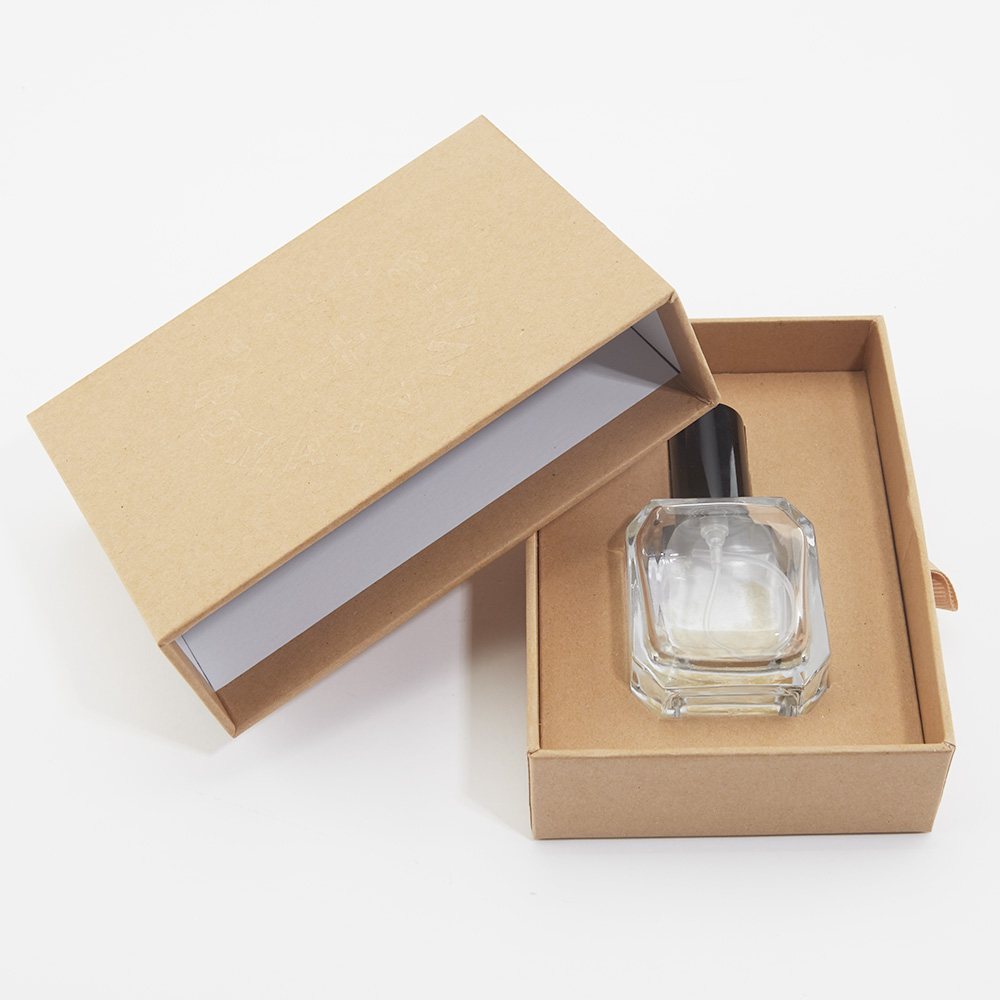
Creating an effective packaging box requires more than aesthetic appeal. Your packaging box must communicate directly with your intended audience, reflect brand values, and influence purchasing decisions at the critical moment when customers encounter your product. Aligning your packaging box design with specific target audiences means understanding who will open that box, what they expect, and how your design choices either attract or repel them.

The relationship between packaging box design and audience alignment directly impacts brand perception, customer loyalty, and sales performance. When your packaging box speaks the language of your target market—whether through color psychology, material selection, messaging hierarchy, or visual aesthetics—it creates an immediate connection that drives engagement. A packaging box designed for luxury skincare consumers differs fundamentally from one targeting budget-conscious families, and recognizing these distinctions is essential to successful market positioning.
Understanding Your Target Audience Through Packaging Box Strategy
Demographic and Psychographic Analysis for Packaging Box Design
Before designing your packaging box, conduct thorough research into your target audience's demographics, lifestyle, values, and purchasing motivations. A packaging box for millennials seeking sustainability will emphasize eco-friendly materials and minimalist aesthetics, while a packaging box for premium beauty consumers might showcase metallic finishes, embossed logos, and tactile luxury elements. Your packaging box becomes a visual representation of how well you understand your customers' preferences, aspirations, and decision-making criteria.
Psychographic factors—personality, interests, values, and social status aspirations—should directly influence every element of your packaging box. Whether your packaging box communicates playfulness, sophistication, reliability, or innovation depends on visual hierarchy, typography choices, color palettes, and material texture. When your packaging box reflects the internal values of your audience, it transcends functional containment and becomes an extension of your customer's identity and lifestyle choices.
Market Segmentation and Packaging Box Customization
Effective market segmentation requires creating distinct packaging box variations that speak directly to different audience segments without diluting your core brand identity. Your packaging box for premium segments might feature hand-finished details, specialty papers, and sophisticated typography, while a packaging box targeting younger, trend-conscious consumers could embrace bold colors, contemporary design language, and interactive elements like QR codes linking to digital content.
The packaging box serves as a physical touchpoint where different market segments form their first impressions. By developing tailored packaging box designs for each segment, you acknowledge their unique preferences and create stronger emotional connections than generic, one-size-fits-all packaging box approaches ever could achieve.
Color Psychology and Visual Identity in Packaging Box Design
Leveraging Color to Connect Your Packaging Box with Audience Expectations
Color selection is perhaps the most powerful communicative element in packaging box design. Your packaging box's color palette triggers immediate psychological and emotional responses that either align with or contradict your audience's expectations. Luxury audiences often respond to packaging box designs featuring deep jewel tones, metallics, or sophisticated neutrals, while health-conscious consumers gravitate toward packaging box designs incorporating natural greens, earth tones, and botanical imagery.
When your packaging box employs color strategically, it communicates brand personality instantly. A packaging box using vibrant, energetic colors signals innovation and accessibility to younger audiences, whereas a packaging box emphasizing minimalist color combinations speaks to sophisticated, discerning consumers who value restraint and elegance. Testing your packaging box color choices against your target audience's documented preferences ensures alignment before production at scale.
Typography and Visual Hierarchy in Packaging Box Messaging
Your packaging box's typography and visual hierarchy must prioritize information in ways that resonate with your specific audience. A packaging box targeting busy professionals needs clear, scannable information hierarchy that communicates key benefits instantly, whereas a packaging box for heritage-conscious consumers might employ classical typography that conveys timelessness and tradition. The visual structure of your packaging box guides the customer's eye deliberately toward the elements most important to your target segment.
Material choice also communicates directly to your audience through your packaging box. Premium cardboard stocks, specialty finishes, and tactile textures signal quality and justify price points for luxury audiences, while sustainable or recyclable packaging box materials appeal strongly to environmentally conscious consumers. Your packaging box material selection should feel authentic to your brand promise and aligned with what your target audience actively values and expects.
Storytelling and Emotional Connection Through Packaging Box Design
Crafting Narrative Elements Your Target Audience Recognizes
Modern consumers seek meaning and connection beyond functional product benefits, making storytelling a critical component of effective packaging box strategy. Your packaging box serves as the primary storytelling platform, communicating your brand narrative in seconds. When your packaging box incorporates elements that reflect your audience's values—whether sustainability commitments, craftsmanship heritage, or social responsibility—it transforms your packaging box from a container into a brand ambassador that reinforces audience alignment.
The narrative your packaging box communicates should answer implicit questions your target audience asks: Do I recognize this brand? Does this align with my values? Will this product serve my needs? Your packaging box design choices—from imagery selection to language tone to material sustainability statements—collectively answer these questions and either strengthen or weaken customer conviction at the moment of purchase decision.
Cultural Relevance and Inclusive Packaging Box Design
Understanding cultural nuances, regional preferences, and emerging consumer values ensures your packaging box remains relevant across different audience segments. Your packaging box targeting diverse geographic markets requires cultural sensitivity in imagery, color symbolism, and messaging language. What reads as premium and aspirational in one market might feel inappropriate or tone-deaf in another, making packaging box cultural awareness an essential component of successful audience alignment.
When your packaging box reflects genuine understanding of your audience's cultural context and evolving values—including representation in imagery, inclusive language, and demonstrated commitment to social impact—it creates authentic connection that goes beyond surface-level design aesthetics. Your packaging box becomes proof that your brand genuinely sees and respects your target audience, not simply seeking to extract transactions from them.
FAQ
How does packaging box material choice affect audience perception?
Packaging box material communicates quality, values, and brand positioning directly to consumers. Premium materials like specialty cardstocks and sustainable options signal quality and environmental responsibility, while standard materials may suggest affordability. Your packaging box material must align with your audience's expectations and willingness to associate with your brand's quality positioning and values.
What role does packaging box size and proportion play in audience alignment?
Packaging box dimensions communicate functionality, perceived value, and unboxing experience quality. Oversized packaging box designs create perceived luxury and premium experiences for audiences seeking special moments, while efficient, compact packaging box sizing appeals to pragmatic consumers prioritizing value and sustainability. Your packaging box proportions should match how your target audience evaluates products and experiences.
How frequently should you update your packaging box design to remain relevant?
Your packaging box should evolve with market trends and audience preferences while maintaining core brand recognition. Regular audience research, seasonal refreshes, and strategic updates ensure your packaging box stays aligned with shifting demographics and cultural moments. Stability in core design identity combined with thoughtful evolution keeps your packaging box relevant without alienating loyal customers who recognize your familiar brand presence.

