 EN
EN

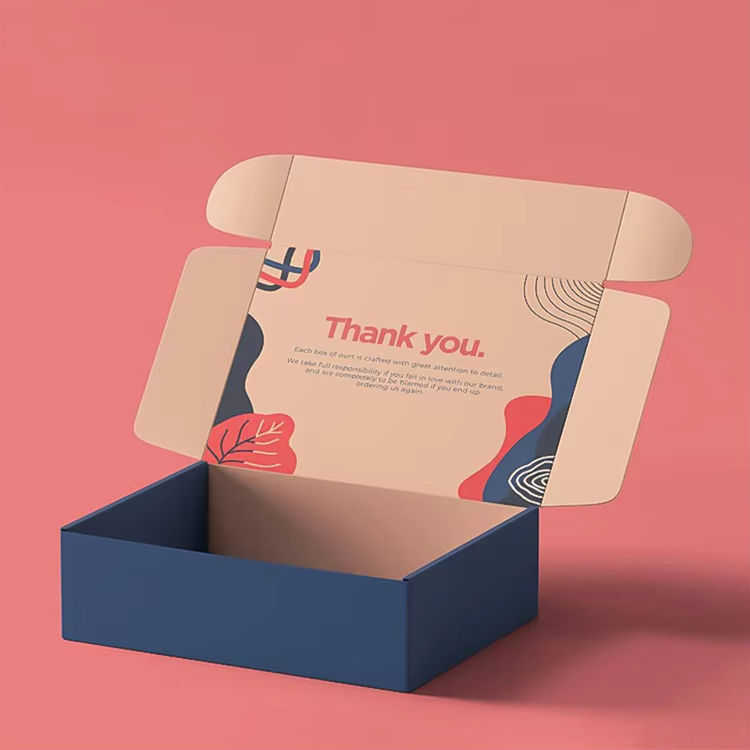
Выбор подходящей толщины бумажной коробки для отправки хрупких товаров требует тщательного учета нескольких факторов, напрямую влияющих на защиту продукции в процессе транспортировки. Неправильный выбор может привести к повреждению груза, недовольству клиентов и значительным финансовым потерям для бизнеса. Понимание взаимосвязи между толщиной бумажной коробки, классами прочности гофрокартона и конкретными требованиями к защите хрупких товаров становится ключевым при принятии обоснованных решений в области упаковки, позволяющих сбалансировать экономическую эффективность и надежную защиту продукции.
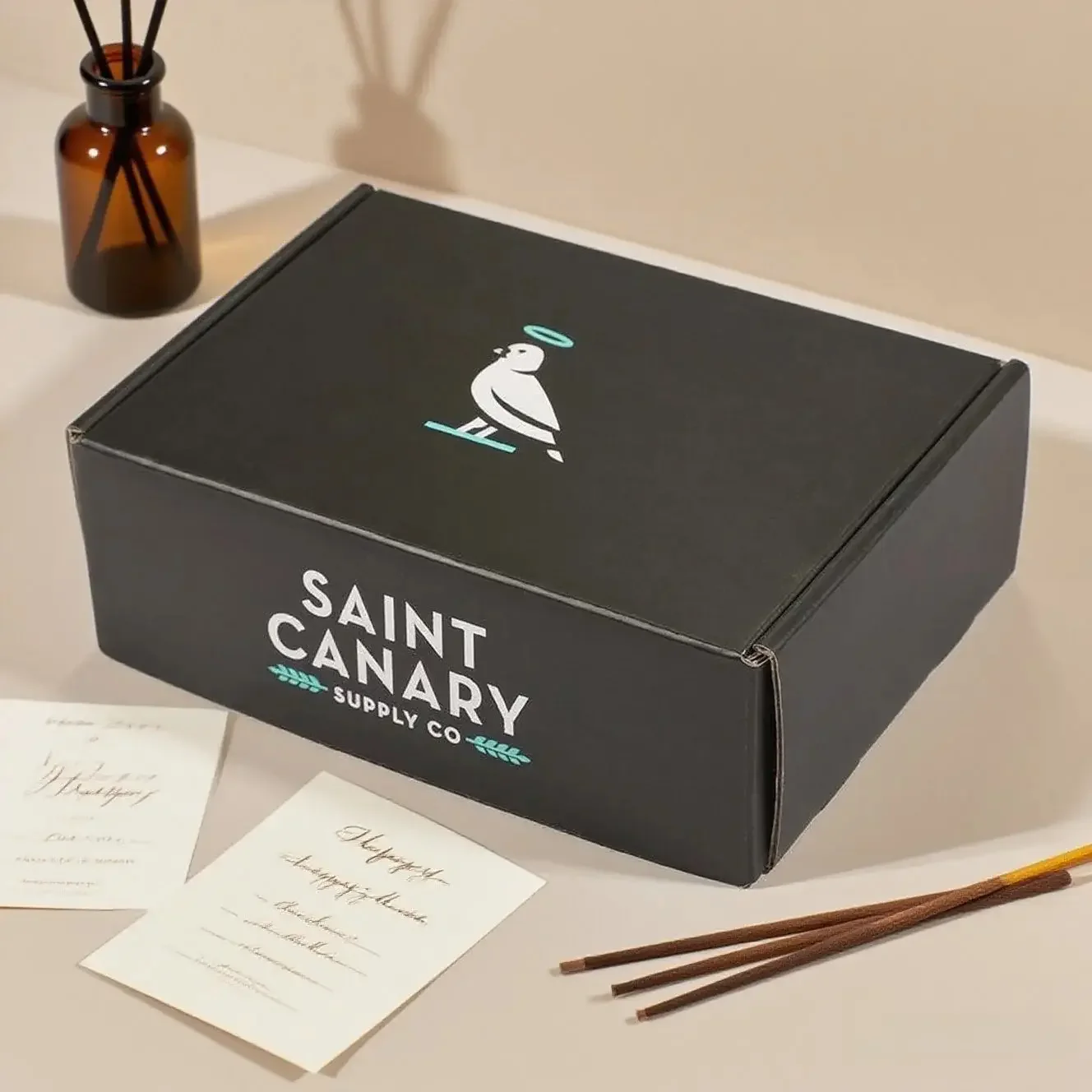
Процесс выбора оптимальной толщины бумажной коробки включает анализ веса хрупкого изделия, его габаритов, уязвимых точек и условий транспортировки, с которыми оно столкнётся. Различные конструкции гофрированного картона обеспечивают разный уровень защиты, и понимание этих различий помогает компаниям выбирать упаковку, которая обеспечивает достаточную амортизацию без излишних затрат на материалы. Такой системный подход к выбору толщины бумажной коробки гарантирует безопасную доставку хрупких товаров при одновременном сохранении эффективности упаковки и контроля затрат на всех этапах цепочки поставок.
Понимание измерений и стандартов толщины бумажных коробок
Испытание на сжатие кромки и классификация прочности коробок на сжатие
Оценка толщины бумажной коробки начинается с понимания отраслевых стандартов измерения прочности, определяющих эксплуатационные характеристики упаковки. Тест на сжатие кромки (ECT) измеряет прочность гофрированного картона при складировании, определяя величину усилия, которое выдерживает его кромка до разрушения. Значения ECT обычно находятся в диапазоне от 23 ECT до 71 ECT: чем выше число, тем выше прочность. Для хрупких изделий значения ECT 32 ECT и выше, как правило, обеспечивают достаточную защиту при складировании, тогда как чрезвычайно нежные продукты могут требовать значений ECT 44 ECT или 51 ECT в зависимости от условий транспортировки.
Значения теста на сжатие коробки (BCT) дополняют показатели ECT и позволяют прогнозировать, какой вес может выдержать коробка при складировании. Взаимосвязь между толщиной бумажной коробки и производительность BCT становится критически важной, когда хрупкие изделия требуют защиты от сжимающих сил во время хранения и транспортировки. Понимание этих параметров помогает компаниям выбирать коробки, которые сохраняют структурную целостность при реальных нагрузках при транспортировке и обеспечивают надёжную защиту уязвимых товаров.
Однослойная, двухслойная и трёхслойная гофроконструкция
Однослойная гофрированная конструкция обычно имеет толщину 3–4 мм и обеспечивает базовую защиту, подходящую для лёгких хрупких изделий с низкой чувствительностью к ударным нагрузкам. Такая толщина бумажной коробки хорошо подходит для предметов, например, стеклянной посуды с защитной прокладкой или керамических изделий, которым требуется умеренная ударопрочность. Однослойные коробки представляют собой экономически выгодное решение при коротких расстояниях перевозки и контролируемых условиях обработки, что делает их подходящими для хрупких изделий, обладающих врождённой прочностью, несмотря на их деликатную природу.
Двустенный гофрированный картон увеличивает толщину бумажной коробки примерно до 6–7 мм, обеспечивая значительно повышенную защиту за счёт двойной гофры. Такая конструкция обеспечивает превосходное амортизирующее действие для умеренно хрупких предметов, таких как электроника, произведения искусства или прецизионные приборы, требующие защиты как от ударов, так и от вибрации при транспортировке. Увеличенная толщина улучшает характеристики поглощения энергии, снижая передачу внешних нагрузок на упакованный предмет при сохранении разумного уровня затрат на материалы для большинства коммерческих применений в сфере грузоперевозок.
Конструкция из трех слоев обеспечивает толщину бумажной коробки 12–15 мм, что гарантирует максимальную защиту чрезвычайно хрупких или высокостоимостных предметов, не допускающих каких-либо повреждений при транспортировке. Этот сверхпрочный вариант обеспечивает исключительную устойчивость к сжатию и ударопрочность, подходящую для транспортировки деликатного научного оборудования, ценных антикварных предметов или хрупких промышленных компонентов. Хотя конструкция из трех слоев увеличивает стоимость упаковки, она становится обязательной, когда стоимость защищаемых предметов оправдывает инвестиции в премиальную упаковку или когда условия доставки предполагают интенсивную обработку груза и транспортировку на большие расстояния.
Соответствие толщины бумажной коробки характеристикам хрупкого предмета
Требования к распределению веса и структурной поддержке
Соотношение между весом изделия и требуемой толщиной бумажной коробки регулируется конкретными руководящими принципами, обеспечивающими достаточную структурную прочность на всех этапах транспортировки. Для лёгких хрупких изделий массой менее 5 фунтов обычно достаточно однослойной конструкции коробки при условии, что внутренняя амортизация дополняет прочность коробки. Однако распределение веса внутри упаковки существенно влияет на требования к толщине: сосредоточенные точки нагрузки создают зоны повышенного напряжения, для предотвращения структурного разрушения коробки при транспортировке и обработке требуется увеличение толщины бумажной коробки.
Хрупкие предметы среднего веса массой от 5 до 25 фунтов, как правило, требуют двойной стенки для обеспечения достаточной конструкционной прочности и устойчивости к ударным нагрузкам. Увеличение толщины бумажного короба становится особенно важным, когда предметы имеют неправильную форму или состоят из нескольких хрупких компонентов, создающих сложные схемы распределения веса. Понимание того, как вес влияет на эксплуатационные характеристики короба, помогает компаниям избежать недостаточной спецификации, ведущей к отказу упаковки, или чрезмерной спецификации, повышающей неоправданные затраты на материалы без улучшения уровня защиты.
Чувствительность к ударам и потребности в защите от ударных воздействий
Высокочувствительные к ударам изделия, такие как прецизионная электроника, оптическое оборудование или хрупкая керамика, требуют выбора толщины бумажных коробок с приоритетом поглощения энергии удара перед базовой структурной прочностью. Такие изделия выигрывают от двойной или тройной стенки не столько для обеспечения несущей способности, сколько благодаря улучшенным амортизирующим свойствам, которые обеспечивают более толстые гофрированные стенки. Несколько слоёв гофра в конструкциях повышенной толщины создают зоны рассеивания энергии, снижающие передачу ударных нагрузок на чувствительные компоненты.
Изделия с несколькими хрупкими элементами или сложной геометрией зачастую требуют индивидуального подхода к выбору толщины бумажной коробки с учётом уязвимости каждого компонента. Электронные сборки, включающие как печатные платы, так и дисплейные экраны, могут потребовать трёхслойной защиты для обеспечения соответствующей ударостойкости различных по чувствительности элементов в рамках одной упаковки. Такой анализ гарантирует, что выбранная толщина бумажной коробки обеспечивает всестороннюю защиту всех уязвимых элементов, а не оптимизирована лишь под наиболее прочные компоненты.
Анализ условий транспортировки и обращения
Учёт способа транспортировки и расстояния
Наземные перевозки, как правило, подвергают посылки умеренным вибрационным и механическим нагрузкам при транспортировке, что требует тщательного выбора толщины картонной коробки с учётом расстояния доставки и процедур обращения грузоперевозчиков. Для отправок на короткие расстояния (менее 800 км) для изделий умеренной хрупкости может быть достаточной однослойная конструкция коробки, тогда как для междугородних наземных перевозок предпочтительна двухслойная конструкция, обеспечивающая повышенную стойкость к продолжительным вибрационным воздействиям и многократному перемещению груза. Накопленные механические нагрузки при длительной транспортировке требуют увеличения толщины картона коробки для сохранения целостности защитных свойств на всём протяжении пути.
Воздушные перевозки создают различные нагрузки, влияющие на выбор оптимальной толщины бумажных коробок для защиты хрупких предметов. Хотя время полёта сокращает общую продолжительность доставки, системы обработки грузов в аэропортах и изменения давления во время полёта создают уникальные вызовы для упакованных хрупких предметов. Двухслойная конструкция, как правило, обеспечивает достаточную защиту при воздушных перевозках, однако чрезвычайно чувствительные предметы могут потребовать трёхслойной толщины бумажной коробки для противодействия резким перепадам давления и интенсивным автоматизированным системам сортировки, характерным для операций воздушных грузоперевозок.
Сезонные погодные и экологические факторы
Колебания влажности в периоды транспортировки значительно влияют на эксплуатационные характеристики гофрированного картона и определяют выбор оптимальной толщины бумажных коробок для защиты хрупких предметов. При высокой влажности прочность коробок может снизиться до 50 %, поэтому в летние месяцы или при отправке грузов в климатические зоны с повышенной влажностью необходимо указывать более толстую конструкцию. В случае, когда внешние условия ослабляют прочность материала, требования к толщине бумажных коробок могут потребовать перехода от однослойной к двухслойной конструкции, чтобы обеспечить стабильный уровень защиты хрупких предметов независимо от погодных условий.
Экстремальные температуры во время транспортировки создают дополнительные нагрузки, влияющие как на гофрированный материал, так и на хрупкие предметы внутри упаковки, что требует корректировки спецификаций толщины бумажных коробок для сохранения эффективности защиты. Низкие температуры могут повысить хрупкость гофрокартона, тогда как высокие температуры снижают его структурную прочность и ослабляют клеевые соединения. Понимание этих экологических воздействий помогает компаниям выбирать соответствующую толщину бумажных коробок, компенсирующую сезонные колебания эксплуатационных характеристик и обеспечивающую стабильную защиту хрупких предметов при различных условиях транспортировки и в разных климатических зонах.
Экономическая эффективность и стратегии оптимизации эксплуатационных характеристик
Анализ затрат на материалы и соображения о возврате инвестиций
Сопоставление затрат на толщину балансировочного бумажного короба с потенциальными расходами на ущерб требует системного анализа инвестиций в упаковку по сравнению с уровнем риска для хрупких товаров. Однослойная конструкция, как правило, обходится на 30–40 % дешевле двухслойных вариантов, однако эта экономия теряет смысл, если из-за недостаточной защиты значительно возрастает частота повреждений. Расчёт общего влияния на затраты включает сравнение расходов на упаковочные материалы с потенциальными расходами на замену продукции, расходами на обслуживание клиентов и последствиями для репутации бренда, вызванными инцидентами повреждения грузов при транспортировке.
Стратегии долгосрочной оптимизации затрат зачастую предполагают выбор несколько более толстого картона для коробок, обеспечивающего запас прочности сверх минимальных требований. Такой подход снижает расходы, связанные с повреждениями, и обеспечивает стабильные эксплуатационные характеристики упаковки, что способствует удовлетворённости клиентов и повторным покупкам. Дополнительные затраты на переход от однослойной к двухслойной конструкции коробок зачастую окупаются с положительной рентабельностью инвестиций (ROI) при учёте снижения количества претензий по повреждениям, повышения уровня удержания клиентов и упрощения операций по упаковке благодаря стандартизации уровней защиты.
Протоколы тестирования и валидации
Систематические протоколы испытаний помогают проверить оптимальный выбор толщины бумажных коробок до начала масштабных операций по отправке хрупких товаров. Испытания на падение, вибрационные испытания и испытания на сжатие с использованием реальных изделий обеспечивают эмпирические данные о характеристиках упаковки в условиях, приближенных к реальным условиям транспортировки. Эти процессы валидации гарантируют, что выбранная толщина бумажной коробки обеспечивает достаточную защиту, одновременно исключая избыточное проектирование, которое повышает затраты без улучшения показателей защиты для конкретных категорий хрупких товаров.
Постоянный мониторинг эффективности с помощью отслеживания повреждений и обратной связи от клиентов позволяет получать основанные на данных аналитические выводы для постепенного уточнения выбора толщины бумажных коробок. Регулярный анализ закономерностей повреждений при транспортировке помогает определить, обеспечивают ли текущие спецификации толщины оптимальную защиту или требуют корректировки на основе реальных показателей эксплуатации в полевых условиях. Такой подход к непрерывному совершенствованию гарантирует, что выбор толщины бумажных коробок адаптируется к изменяющимся условиям доставки, новым разработкам продукции и возможностям оптимизации затрат, сохраняя при этом стабильные стандарты защиты хрупких изделий.
Часто задаваемые вопросы
Какова минимальная рекомендуемая толщина бумажной коробки для отправки стеклянной и керамической посуды?
Для транспортировки стеклянной и керамической посуды минимальной рекомендуемой толщиной бумажной коробки, обеспечивающей достаточную защиту, является двухслойная гофрированная конструкция (толщина 6–7 мм). Однослойная конструкция может быть достаточной для перевозок на короткие расстояния при условии обширного внутреннего амортизирующего наполнения, однако двухслойная толщина обеспечивает более высокую ударопрочность и структурную целостность в большинстве случаев транспортировки таких хрупких материалов.
Как влияет расстояние доставки на требования к толщине бумажной коробки для хрупких предметов?
Расстояние доставки напрямую влияет на выбор оптимальной толщины бумажной коробки из-за увеличения количества точек контакта при обработке и совокупного воздействия механических нагрузок в течение более длительного времени транзита. Для местных отправок на расстояние менее 200 миль может быть достаточной однослойная конструкция, тогда как межрегиональные отправки, как правило, требуют двухслойной толщины, чтобы выдержать продолжительную вибрацию, многократную перегрузку и различные условия обработки на всех этапах логистической сети.
Можно ли уменьшить толщину бумажной коробки при улучшении внутренних амортизирующих материалов?
Хотя повышение эффективности внутренней амортизации может улучшить защиту хрупких предметов, оно должно дополнять, а не заменять правильный выбор толщины бумажной коробки. Коробка обеспечивает структурную целостность и сопротивление сжатию — характеристики, которые внутренние материалы воспроизвести не могут; поэтому адекватная толщина бумажной коробки остаётся обязательной независимо от улучшения амортизирующих материалов. Элементы внутренней и внешней защиты работают совместно, формируя комплексные системы защиты хрупких предметов.
Какие факторы окружающей среды требуют увеличения толщины бумажной коробки по сравнению со стандартными рекомендациями?
Высокая влажность, резкие перепады температуры и длительные сроки хранения перед отправкой требуют увеличения толщины бумажных коробок для обеспечения стабильной защиты. Влажность может снизить прочность гофрокартона до 50 %, а экстремальные температуры влияют на физико-механические свойства материалов и их структурную целостность. При таких условиях обычно требуется переход от однослойной конструкции к двухслойной или от двухслойной — к трёхслойной, особенно при упаковке чувствительных хрупких изделий.
Содержание
- Понимание измерений и стандартов толщины бумажных коробок
- Соответствие толщины бумажной коробки характеристикам хрупкого предмета
- Анализ условий транспортировки и обращения
- Экономическая эффективность и стратегии оптимизации эксплуатационных характеристик
-
Часто задаваемые вопросы
- Какова минимальная рекомендуемая толщина бумажной коробки для отправки стеклянной и керамической посуды?
- Как влияет расстояние доставки на требования к толщине бумажной коробки для хрупких предметов?
- Можно ли уменьшить толщину бумажной коробки при улучшении внутренних амортизирующих материалов?
- Какие факторы окружающей среды требуют увеличения толщины бумажной коробки по сравнению со стандартными рекомендациями?

