 EN
EN

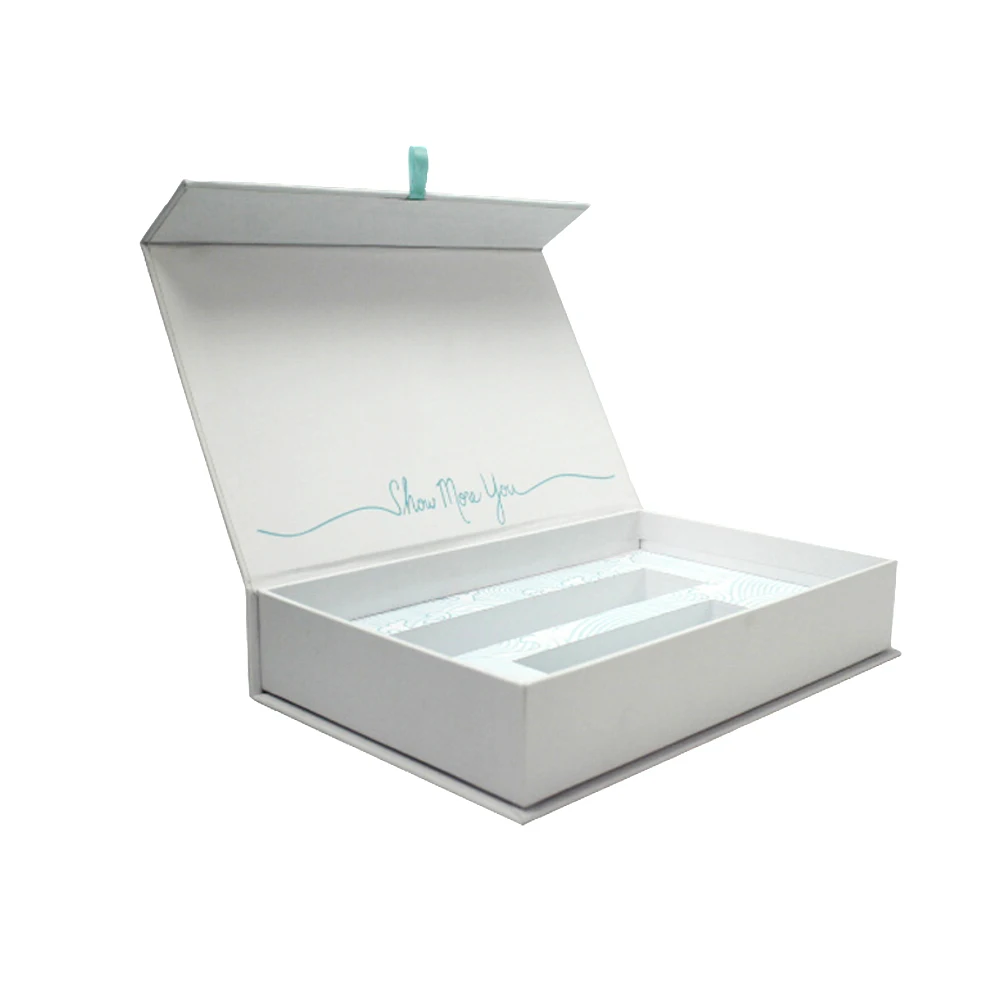
Сборка подарочной коробки с откидной крышкой требует тщательного внимания к технологиям изготовления и отделочным деталям, чтобы добиться профессионального внешнего вида. Процесс включает понимание конструктивных элементов, правильной последовательности сгибания и методов фиксации, обеспечивающих как функциональность, так и эстетическую привлекательность. Независимо от того, используете ли вы магнитные застёжки, ленточные завязки или классические модели с подворотом крышки, ключевым фактором остаётся точное исполнение и внимание к деталям на всех этапах сборки.
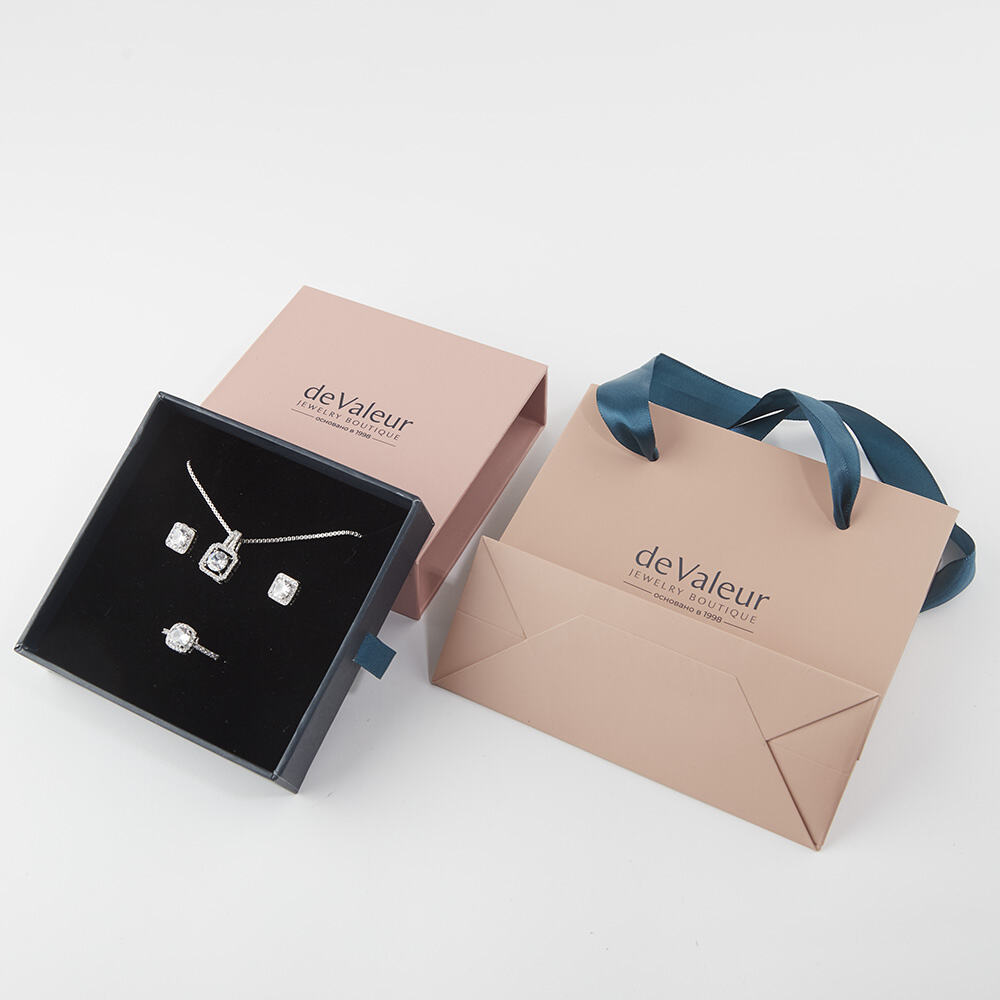
Методология сборки подарочной коробки с отдельно устанавливаемой крышкой существенно отличается от стандартных решений в виде единой упаковки, поскольку требует согласованной работы двух отдельных компонентов, которые должны безупречно состыковываться друг с другом. Достижение профессионального результата зависит от понимания взаимосвязи между конструкцией основания, точностью позиционирования крышки и механизмами закрытия, обеспечивающими структурную целостность при одновременном удобстве доступа к содержимому. Такой системный подход гарантирует, что готовое изделие соответствует как функциональным требованиям, так и визуальным стандартам, предъявляемым к упаковке премиум-класса.
Понимание компонентов конструкции подарочной коробки
Требования к сборке основания
Основой любого успешного подарочного короба с откидной крышкой является правильное изготовление основания, при котором донная панель и боковые стенки должны быть собраны с точными размерами и надежными соединениями. Основание обычно состоит из основной донной панели с четырьмя выступающими клапанами, которые при загибании вверх образуют стенки; для обеспечения прямых углов и ровных кромок требуется тщательное соблюдение линий сгиба и направлений загибов.
Усиление углов играет ключевую роль в обеспечении устойчивости основания, особенно если подарочный короб с откидной крышкой будет содержать тяжелые предметы или подвергаться частому перемещению. Технология двойных стенок, при которой угловые клапаны перекрываются и фиксируются клеем или двухсторонним скотчем, обеспечивает значительно большую прочность по сравнению с простыми методами загиба. Внутренние размеры должны учитывать толщину стенок, чтобы крышка плотно, но без чрезмерного усилия, входила в гнездо.
Аспекты проектирования компонентов крышки
Конструкция съемной крышки требует иных соображений при сборке по сравнению с основанием, поскольку она должна надеваться на уже собранное основание, сохраняя при этом аккуратный внешний вид и обеспечивая надежное закрытие. Крышка обычно включает верхнюю панель со стенками, опускающимися вниз и образующими нахлёст со стенками основания; для достижения требуемого зазора необходимо выполнить точные измерения. Расстояние нахлёста, как правило, составляет от 1/8 до 1/4 дюйма и определяет степень фиксации крышки в положении, одновременно позволяя легко её снимать.
Усиление внутренней части крышки часто включает дополнительные линии сгиба, формирующие выступ или ребро жесткости, что помогает крышке сохранять форму и обеспечивает более надежное соединение с основанием. Эта внутренняя конструкция также предотвращает деформацию крышки под давлением и гарантирует стабильное качество посадки даже при многократном использовании. Последовательность сборки крышки, как правило, следует тем же принципам сгибания по углам, что и у основания, однако требует повышенного внимания к поддержанию одинаковой высоты боковых стенок для точного совмещения.
Пошаговый процесс сборки
Подготовка материалов и инструментов
Перед началом сборки подарочной коробки с отдельно стоящей крышкой соберите все необходимые материалы: вырубленные из картона детали, подходящие клеевые составы и инструменты для отделки. Высококачественная двухсторонняя клейкая лента обеспечивает чистый и профессиональный результат при большинстве видов картонных конструкций, тогда как жидкий клей может потребоваться при работе с более тяжелыми изделиями или с покрытыми материалами, плохо принимающими клейкую ленту.
Необходимые инструменты для профессиональной сборки включают костяной шпатель для создания четких и аккуратных сгибов, линейку или прямой край для обеспечения точных измерений, а также канцелярский нож для любых необходимых подрезок или корректирующих разрезов. Чистая ровная рабочая поверхность имеет решающее значение для поддержания точности на протяжении всего процесса сборки, поскольку любые неровности рабочей поверхности могут передаться готовому изделию и испортить профессиональный внешний вид вашей подарочной коробки с откидывающейся крышкой.
Сборка основания
Начните сборку основания, поместив вырубленную заготовку основания ровно на рабочую поверхность лицевой (печатной или отделанной) стороной вниз, чтобы вы могли работать с нанесением клея, не затрагивая внешний вид изделия. Тщательно продавите все линии сгиба костяным шпателем, начиная от центра и двигаясь к краям, чтобы обеспечить равномерное давление и избежать появления нежелательных складок в соседних областях.
Согните боковые стенки вверх по одной, начиная с противоположных сторон, чтобы сохранить симметрию и обеспечить прямые углы. Нанесите клей на участки нахлёста в углах перед тем, как соединить соседние стенки, и плотно прижмите их друг к другу в течение не менее 30 секунд для надёжного склеивания. Постоянно проверяйте правильность выравнивания углов в ходе этой операции: даже незначительные отклонения в углах будут накапливаться и приведут к получению подарочной коробки с отдельной крышкой, которая будет плохо закрываться или выглядеть непрофессионально.
Изготовление и подгонка крышки
Сборка крышки основана на тех же принципах, что и сборка основания, однако требует особого внимания к соблюдению одинаковой высоты стенок и точной подгонки к уже собранному основанию. Прежде чем наносить клей, сделайте насечки по всем линиям сгиба и проверьте, как плоская заготовка крышки ложится на собранное основание — это позволит внести необходимые корректировки без риска повредить материалы.
При сгибании боковых стенок крышки следует поддерживать постоянное давление и регулярно проверять, что все стенки имеют одинаковую высоту, проверяя посадку крышки на основание. подарочная коробка с отдельной крышкой должна легко надеваться и сниматься без чрезмерного усилия, но при этом надёжно удерживаться на месте при лёгком встряхивании или обычном обращении во время транспортировки и презентации.
Способы фиксации для достижения профессионального результата
Техники нанесения клея
Правильное нанесение клея существенно влияет как на структурную прочность, так и на внешний вид готовой подарочной коробки с отдельной крышкой; при этом необходимо соблюдать точность расположения клеевого слоя, контролировать его количество и учитывать время отверждения. Для изделий из картона двухсторонняя клейкая лента обеспечивает наиболее аккуратный результат при нанесении тонкими сплошными полосами вдоль зон нахлёста, а не отдельными пятнами или сегментами, которые могут вызвать заметные выступы или неравномерное склеивание.
При использовании жидких клеев наносите тонкие и равномерные слои кистью или губкой, чтобы избежать чрезмерного насыщения, которое может привести к деформации или просачиванию клея на внешние поверхности. Работайте быстро, но аккуратно: большинство клеев начинают схватываться уже через 30–60 секунд, оставляя мало времени для корректировки положения деталей. Дайте достаточное время на отверждение перед тем, как брать в руки собранные компоненты — обычно 2–4 часа для достижения полной прочности, в зависимости от условий окружающей среды и типа клея.
Стратегии армирования
Методы усиления углов выходят за рамки простого нанесения клея и включают структурные модификации, повышающие долговечность и сохраняющие профессиональный внешний вид подарочной коробки с откидной крышкой при многократном использовании. Внутренние угловые упоры, выполненные из небольших треугольных фрагментов того же материала и приклеенные внутри угловых соединений, значительно повышают прочность без влияния на внешний вид.
Укрепление кромок с помощью тонких полосок материала, совпадающего по цвету или гармонирующего с основным материалом, повышает прочность участков, подвергающихся частому обращению, и одновременно добавляет декоративный элемент, усиливающий общую эстетику дизайна. Эти упрочняющие полоски должны быть равномерно нанесены по всем кромкам как для функционального, так и для визуального баланса, обеспечивая, чтобы усиленная конструкция не нарушала точности прилегания крышки к основанию.
Методы отделки для достижения глянцевого вида
Подготовка поверхности и очистка
Для достижения глянцевого вида готовой подарочной коробки с откидной крышкой необходимо уделить внимание деталям отделки поверхности, позволяющим устранить следы сборки и повысить общее качество презентации. Удалите любые видимые остатки клея с помощью соответствующих методов очистки, подходящих для конкретных используемых материалов, соблюдая осторожность, чтобы не повредить печатные поверхности или специальные покрытия в процессе очистки.
Обработка кромок включает обеспечение того, чтобы все вырезанные кромки были чистыми и не имели заусенцев или шероховатостей, которые могут ухудшить профессиональный внешний вид. Лёгкое шлифование мелкозернистой наждачной бумагой позволяет сгладить шероховатые кромки, а кромочная краска или совпадающая по цвету лента придают более завершённый вид в тех случаях, когда вырезанные кромки остаются видимыми в готовой сборке.
Контроль качества и финальный осмотр
Систематические процедуры контроля качества позволяют выявлять и устранять незначительные дефекты до того, как подарочная коробка с откидывающейся крышкой достигнет конечного этапа применения, предотвращая потенциальные проблемы, которые могут повлиять на функциональность или внешний вид в процессе эксплуатации. Проверьте все угловые соединения на правильность их выравнивания и надёжность склеивания, аккуратно протестировав их на наличие люфта или расхождения, что может свидетельствовать о недостаточном нанесении клея или его неполном отверждении.
Испытание на посадку крышки должно включать несколько циклов снятия и установки крышки для обеспечения стабильной работы и подтверждения того, что механизм закрытия функционирует плавно, без заеданий или чрезмерного люфта. Готовая сборка должна демонстрировать чёткие линии, прямые углы и равномерные зазоры по всему периметру при правильном положении крышки на основании.
Устранение распространенных проблем сборки
Проблемы посадки и их устранение
Проблемы посадки крышки являются наиболее распространённой трудностью при сборке подарочных коробок с отъёмной крышкой и часто возникают из-за ошибок в измерениях, неоднородной высоты стенок или неправильного формирования углов, что влияет на общие габариты. Если крышка садится слишком плотно, внимательно проверьте высоту стенок основания и крышки, чтобы определить место интерференции: выборочная подрезка на 1–2 мм зачастую устраняет проблему без ущерба для конструктивной целостности.
Свободно сидящие крышки, как правило, указывают на то, что размер перекрытия слишком мал или стенки основания не имеют правильной прямоугольной формы, что позволяет крышке смещаться или соскальзывать при обычном обращении. В некоторых случаях добавление тонких прокладочных полосок внутрь стенок крышки может компенсировать незначительные отклонения в размерах и одновременно повысить воспринимаемое качество за счёт более надёжной посадки и лёгкого амортизирующего эффекта.
Улучшение структурной устойчивости
Если готовая подарочная коробка с отдельной крышкой демонстрирует недостаточную жёсткость или деформируется при обращении, решение обычно заключается в усилении слабых участков, а не в полной переделке изделия. Угловые соединения, которые расходятся под нагрузкой, можно укрепить путём установки внутренних распорок или нанесения дополнительного клея по всей длине соединения, а не только в точках пересечения углов.
Проблемы с изгибом основания часто возникают из-за недостаточной толщины нижней панели или ненадежного крепления боковых стенок; обе эти проблемы можно устранить, добавив внутренние усиливающие панели, вырезанные так, чтобы плотно прилегать к собранному основанию. Эти усиливающие панели следует зафиксировать клеем и расположить таким образом, чтобы передавать нагрузочные силы на более прочные угловые соединения, а не полагаться исключительно на центральную панель для обеспечения структурной устойчивости.
Часто задаваемые вопросы
Какой тип клея лучше всего подходит для сборки подарочной коробки с откидной крышкой?
Двусторонний скотч обеспечивает наиболее чистый и профессиональный результат при изготовлении большинства подарочных картонных коробок, поскольку он исключает время высыхания и предотвращает деформацию или просачивание клея, характерные для жидких клеевых составов. Для более тяжелых условий эксплуатации или при работе с покрытыми материалами используйте высококачественный декоративный клей, наносимый умеренно кисточкой, чтобы избежать переувлажнения и сохранить аккуратные края на всех этапах сборки.
Как обеспечить правильную посадку крышки — чтобы она не была слишком свободной или слишком тугой?
Ключ к правильной посадке крышки заключается в поддержании одинаковой высоты стенок и обеспечении идеально прямых углов во всех углах при сборке. Перед нанесением окончательного клея проверьте посадку компонентов «на сухую», а также добейтесь перекрытия от 1/8 до 1/4 дюйма между стенками крышки и стенками основания. Крышка должна легко надеваться, но для её снятия потребуется слегка надавить — это свидетельствует о надёжном закрытии без излишних усилий.
Можно ли отремонтировать подарочную коробку с отдельно стоящей крышкой, если после сборки разошлись углы?
Да, разошедшиеся углы, как правило, можно отремонтировать: аккуратно раскройте соединение, удалите остатки старого клея и нанесите свежий клей с дополнительным усилением. Для повышения прочности и предотвращения повторного расхождения добавьте внутри соединения небольшие треугольные угловые упоры, вырезанные из того же материала, что и коробка. Дайте клею полностью затвердеть перед тем, как брать отремонтированную коробку в руки, чтобы обеспечить максимальную прочность соединения.
Что делать, если собранная подарочная коробка выглядит кривой или неровной?
Искривлённый внешний вид обычно возникает из-за неровных линий сгиба или неодинаковых углов в углах при сборке. Хотя для устранения серьёзных отклонений может потребоваться разборка и повторная сборка, незначительные корректировки иногда можно выполнить, аккуратно подправляя конструкцию, пока клей ещё остаётся пластичным. В будущих проектах используйте линейку и костяной штифт, чтобы обеспечить идеальную прямолинейность всех линий сгиба и равномерное давление по всей длине процесса сгибания.
Содержание
- Понимание компонентов конструкции подарочной коробки
- Пошаговый процесс сборки
- Способы фиксации для достижения профессионального результата
- Методы отделки для достижения глянцевого вида
- Устранение распространенных проблем сборки
-
Часто задаваемые вопросы
- Какой тип клея лучше всего подходит для сборки подарочной коробки с откидной крышкой?
- Как обеспечить правильную посадку крышки — чтобы она не была слишком свободной или слишком тугой?
- Можно ли отремонтировать подарочную коробку с отдельно стоящей крышкой, если после сборки разошлись углы?
- Что делать, если собранная подарочная коробка выглядит кривой или неровной?

