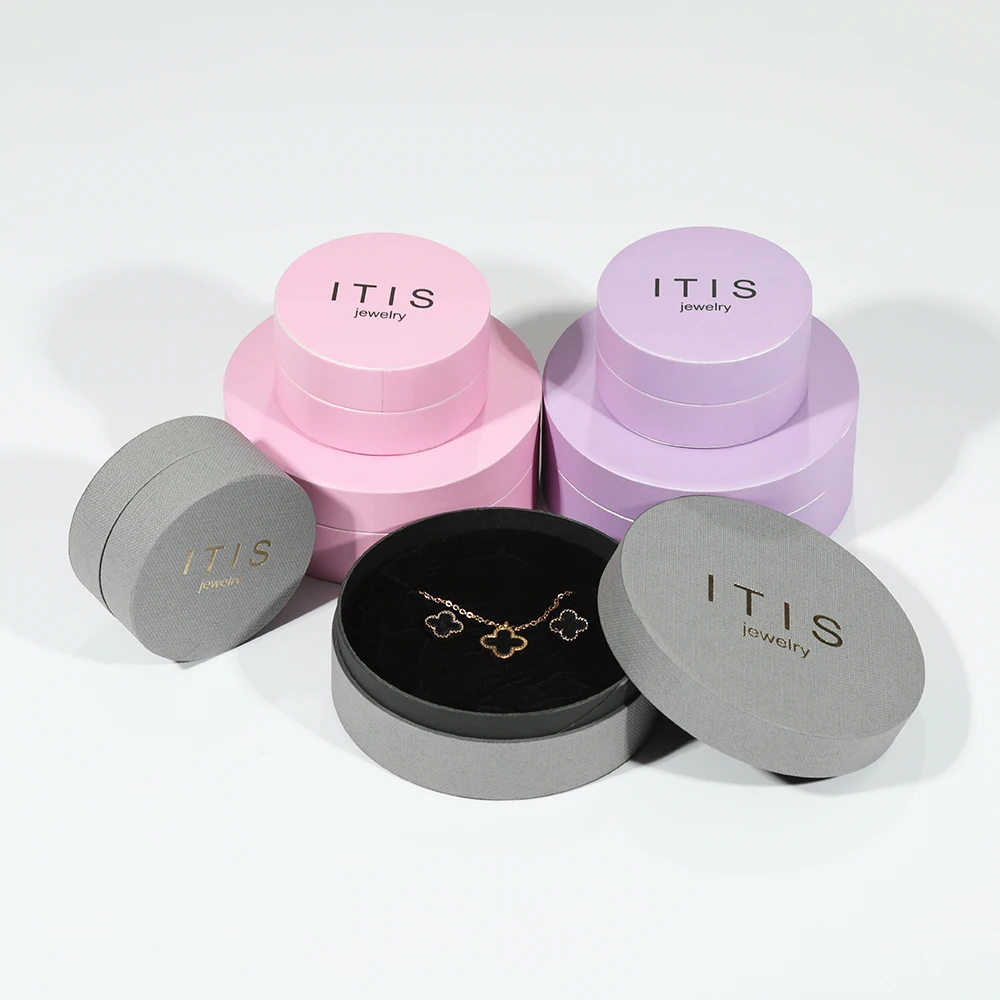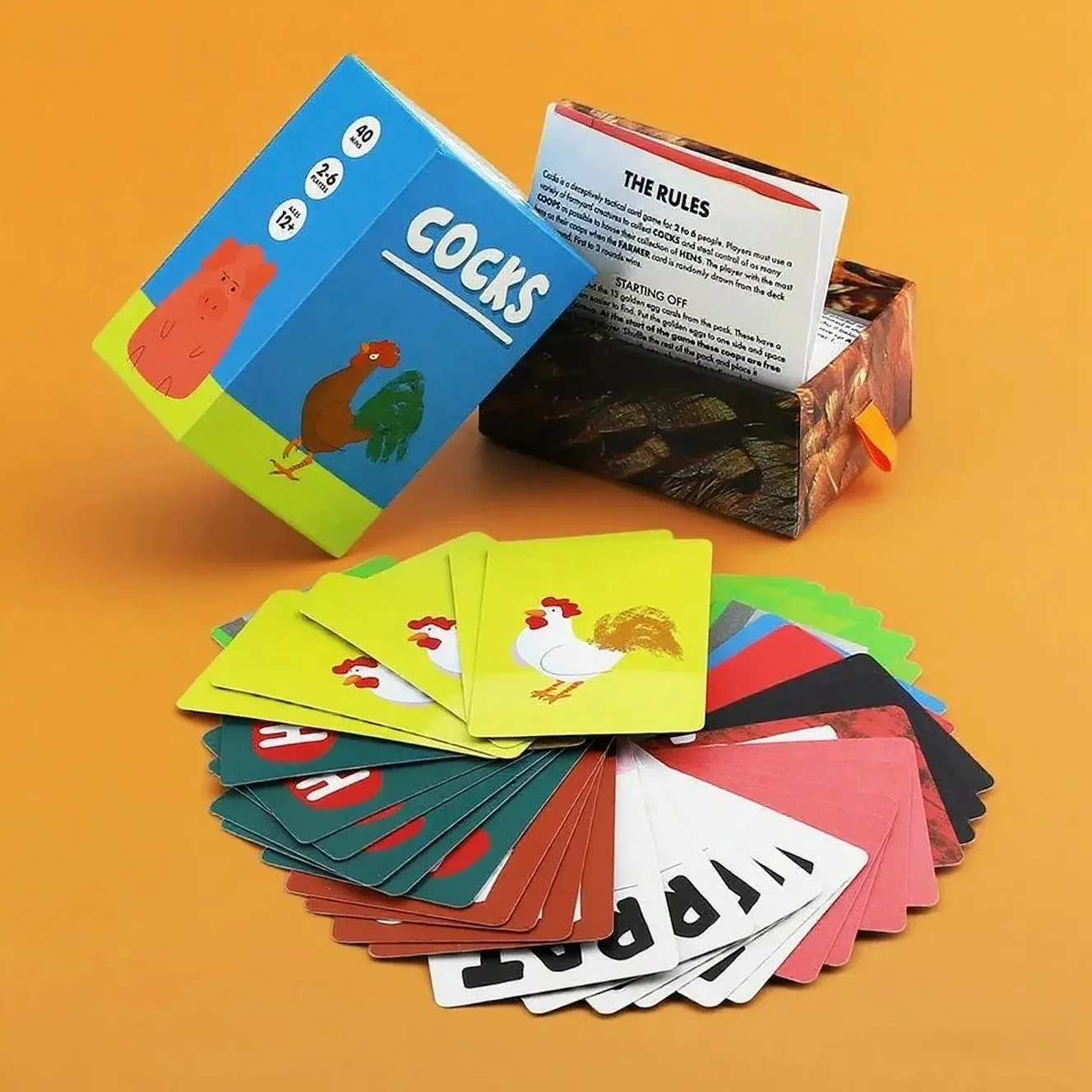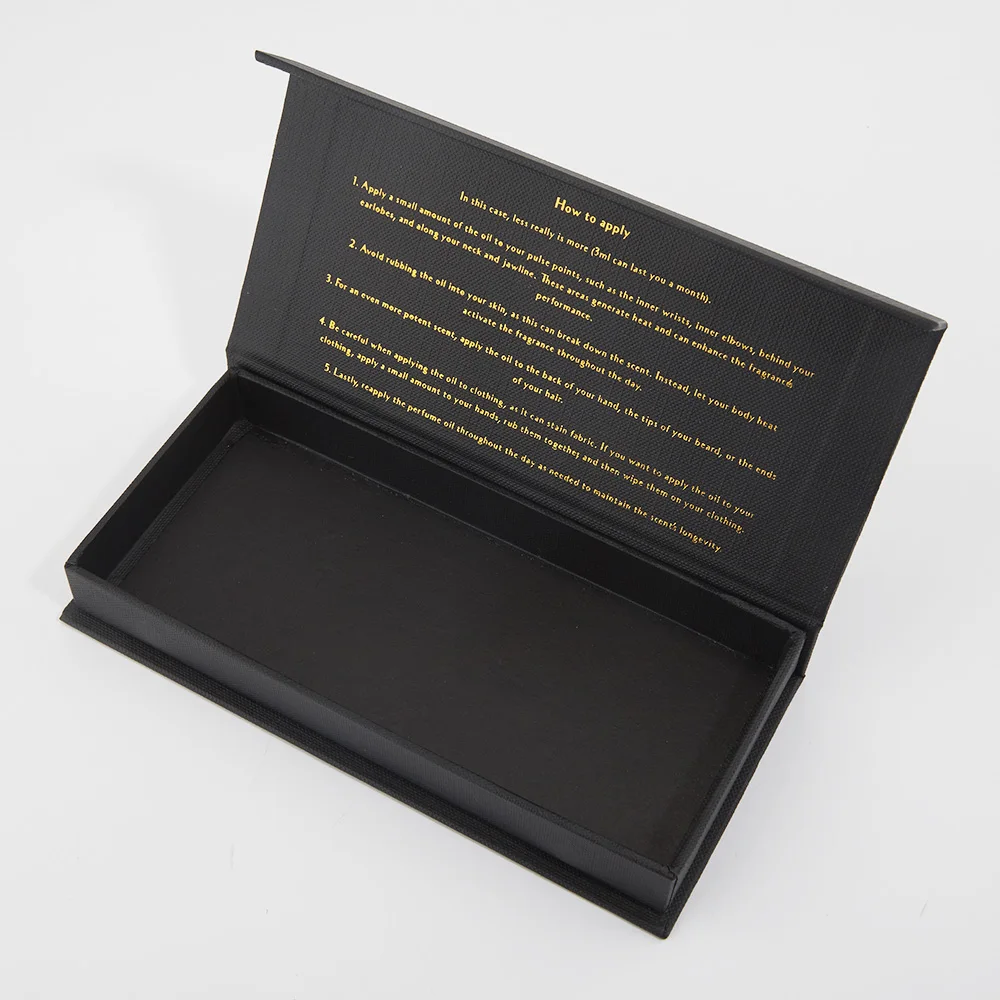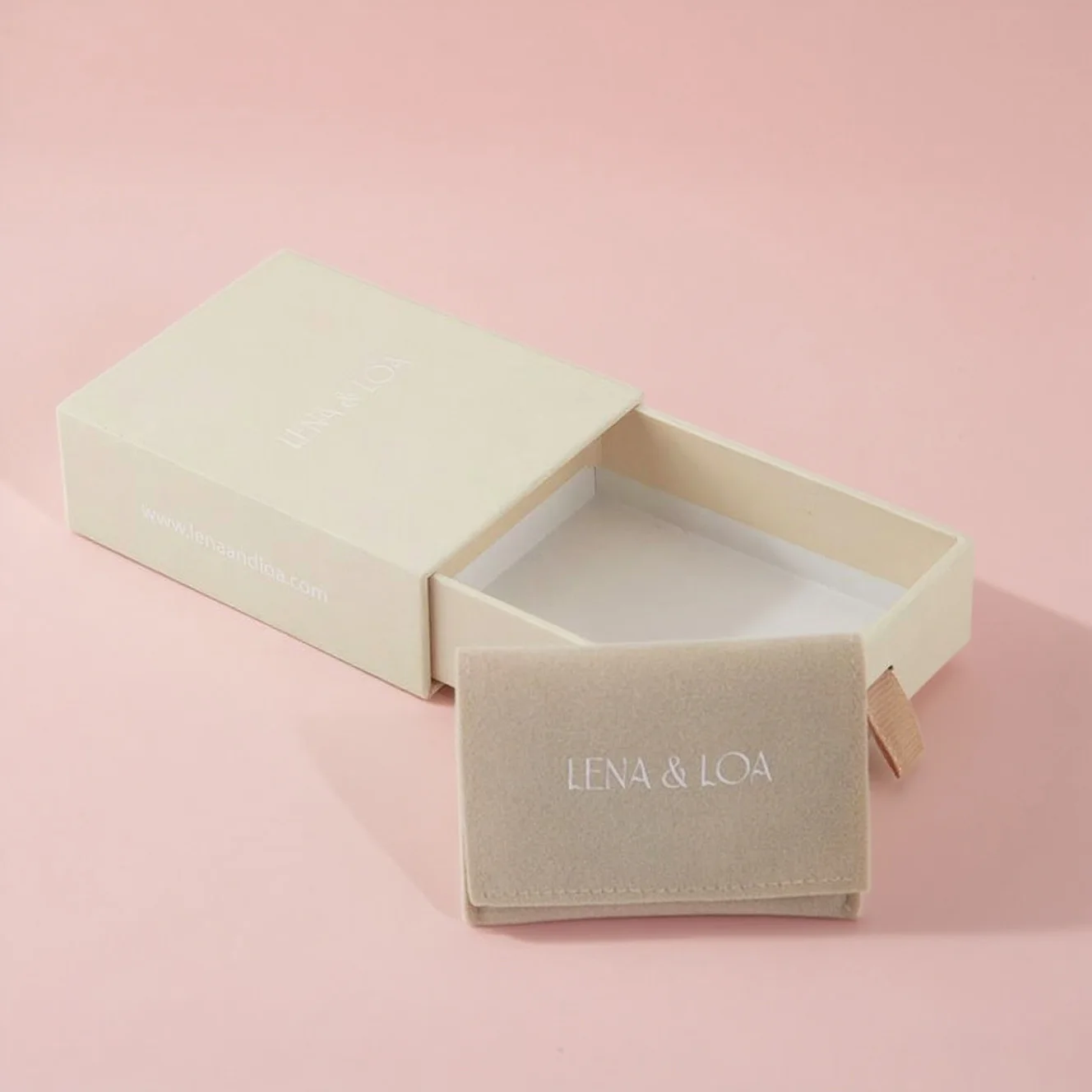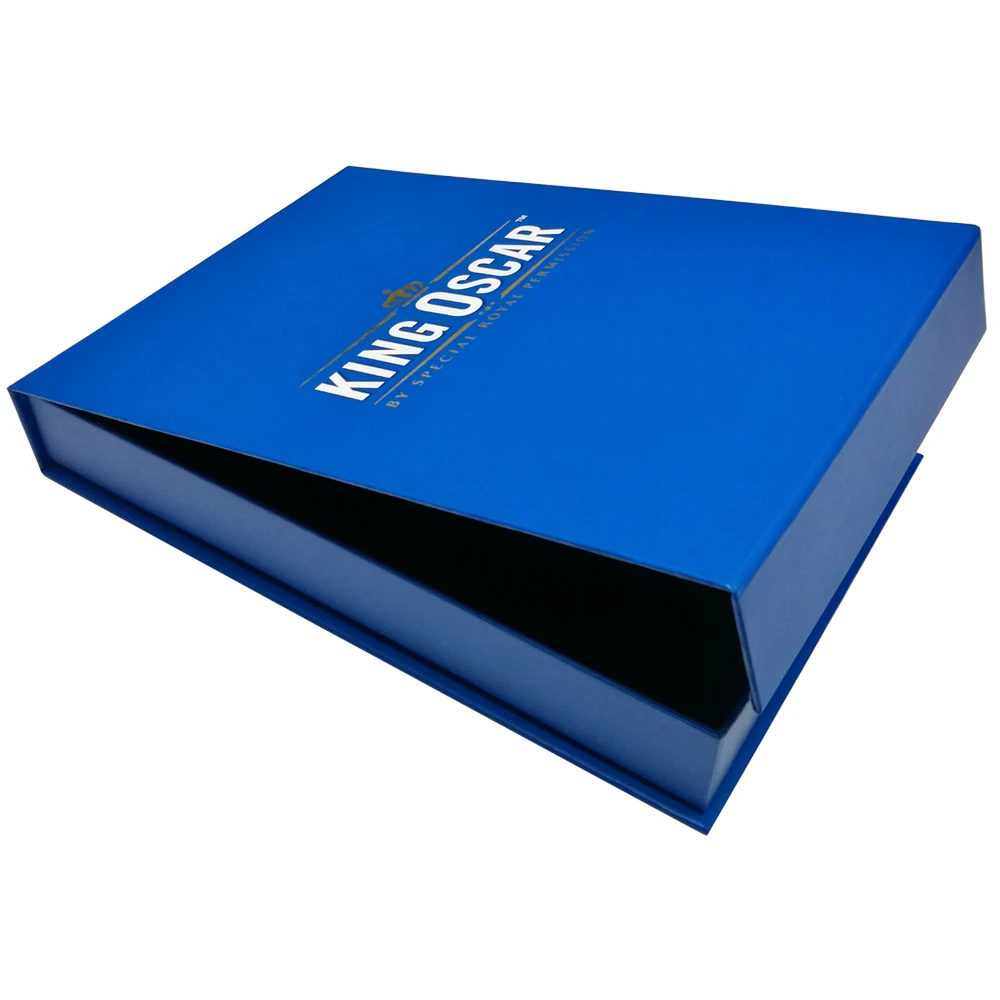

In 2026, Extended Producer Responsibility (EPR) laws are no longer a distant policy discussion — they are actively reshaping how brands design, produce, and dispose of their packaging across the United States.
For jewelry brands that rely on custom jewelry packaging to convey luxury and brand identity, these regulations present both a compliance challenge and a strategic opportunity. Understanding EPR requirements now can help you avoid costly penalties, reduce packaging fees, and position your brand ahead of competitors still using traditional packaging structures.
This guide explains what EPR means for jewelry packaging, which states have active laws, and how to design sustainable jewelry packaging that meets regulatory requirements without compromising the unboxing experience your customers expect.
EPR is a policy approach that holds brand owners financially and physically responsible for the end-of-life management of their packaging. Instead of local governments bearing the full cost of recycling programs, producers pay fees based on the type, weight, and recyclability of the packaging they place on the market.
The core principle is simple: If you put packaging into the market, you share responsibility for what happens to it after the consumer is done.
While a custom jewelry box may seem small — often weighing just 100-300 grams — the cumulative impact matters. Jewelry brands typically ship high volumes of individually packaged items, and the packaging often includes multiple material layers:
Each material component factors into EPR calculations. The more complex and less recyclable the structure, the higher the compliance fees.
Oregon's EPR program went into full effect in July 2025, making it the first operational state-level packaging EPR law in the US. Key features:
Colorado's program began full implementation in January 2026, with producer reporting and fee obligations now active.
California's SB 343 "truth-in-labeling" law goes into full effect in October 2026. This law restricts the use of recycling symbols (the "chasing arrows") on packaging that cannot be practically recycled in curbside or store drop-off programs.
What this means for jewelry packaging: If your custom jewelry box includes materials that are not widely recyclable — such as certain foam inserts, mixed-material laminations, or composite structures — you may need to update your recyclability labeling before October 2026.
In 2025, 16 states introduced 41 packaging EPR bills. Maryland and Washington passed full EPR programs. Additional states — including New Jersey, New York, Massachusetts, Rhode Island, and Tennessee — are expected to introduce or advance EPR legislation in 2026-2027.
EPR fees are typically calculated based on three factors:
| Factor | Impact on Fee |
|---|---|
| Material weight | Heavier packaging = higher fees |
| Material type | Some materials have higher base rates |
| Recyclability | Less recyclable = higher fees; more recyclable = potential discounts |
To illustrate the financial impact, consider this comparison from Oregon's EPR program data:
| Packaging Type | Supply Weight | Base Fee Rate | Total Fees |
|---|---|---|---|
| Multi-material rigid container (HDPE + PP cap + PE label) | 1,000,000 lbs | Variable by material | $222,400 |
| Mono-material PE film pouch | 180,000 lbs (82% reduction) | $0.55/lb | $99,000 base |
| Mono-material PE + eco-modulation bonus | — | — | $79,200 net (55.5% reduction) |
The takeaway: Switching to simpler, more recyclable material structures can reduce EPR fees by more than half.
For custom jewelry packaging, the same principles apply:
| Design Choice | EPR Impact |
|---|---|
| Multiple material layers (cardboard + plastic insert + ribbon + magnet) | Higher fees — each material type is assessed separately |
| EVA foam insert with cloth wrapping | Moderate — partially recyclable depending on adhesive |
| Paper pulp molded insert | Lower — fully recyclable, qualifies for eco-modulation discounts |
| Mono-material paper-based structure | Lowest — single material stream, highest recyclability |
The fewer material types in your custom jewelry box, the easier it is to recycle — and the lower your EPR fees.
Recommended approach:
| Component | Traditional Approach | EPR-Compliant Alternative |
|---|---|---|
| Box structure | Grey board + art paper with plastic lamination | Grey board + art paper with water-based varnish |
| Insert | EVA foam or plastic blister | Molded paper pulp or die-cut paper card |
| Closure | Plastic clasp or metal hardware | Magnet (minimal) or friction-fit |
| Ribbon | Synthetic satin ribbon | Paper ribbon or cotton cord |
| Surface treatment | Glossy plastic lamination | Matte water-based varnish or soft-touch bio-film |
Under California's SB 343 (effective October 2026), you cannot use the recycling symbol on packaging unless:
For jewelry packaging:
If your custom jewelry box must include multiple materials (e.g., a magnet for closure), design the structure so that different materials can be easily separated by the consumer before disposal.
Example: A magnetic closure box where the magnet is housed in a removable paper sleeve — the paper box goes into recycling, the magnet sleeve into a separate collection stream.
EPR compliance is the floor, not the ceiling. Forward-thinking jewelry brands are using sustainable packaging as a brand differentiator.
Research consistently shows that a significant majority of consumers — particularly in the luxury and jewelry segments — prefer brands that demonstrate environmental responsibility. Sustainable custom jewelry packaging signals that your brand values extend beyond the product itself.
| Material | Sustainability Profile | Luxury Feel |
|---|---|---|
| FSC-certified grey board | Responsibly sourced, recyclable | Excellent — rigid, premium hand feel |
| Water-based varnish | No plastic film, low VOC | Matte or glossy finish, comparable to lamination |
| Molded paper pulp insert | Fully recyclable, biodegradable | Clean, modern aesthetic; can be dyed to brand colors |
| Organic cotton lining | Natural, biodegradable | Soft, tactile luxury |
| Soy-based ink printing | Renewable, low environmental impact | Rich color reproduction |
| Hot foil stamping (minimal) | Small area metallic accent | High-end brand expression |
A custom jewelry box may be light, but if you ship thousands of units, the cumulative material weight is significant. EPR fees are calculated on total tonnage placed on the market — not per-unit weight.
Many brands focus on the outer box structure but ignore the insert. An EVA foam insert with adhesive backing can be the least recyclable component of your packaging, yet it's often the most hidden from the consumer's view.
Using the "chasing arrows" recycling symbol on packaging that includes non-recyclable components (such as certain foams, laminations, or mixed materials) can trigger compliance issues, particularly under California's SB 343.
EPR programs require annual reporting of packaging material data by type and weight. Inaccurate or incomplete reporting can result in penalties.
At ITIS Printing & Packaging, we have specialized in custom paper packaging since 2008, working with jewelry brands and luxury product companies across global markets. Our approach to sustainable jewelry packaging aligns with emerging EPR requirements:
Our capabilities include gift boxes, paper bags, paper cards, and envelopes — all customizable to your brand specifications.
EPR (Extended Producer Responsibility) requires brand owners to share responsibility for the end-of-life management of their packaging. For jewelry brands, this means fees based on the type, weight, and recyclability of your custom jewelry box and its components. More recyclable packaging typically results in lower fees.
Oregon (full effect July 2025), Colorado (full effect January 2026), and California (labeling law SB 343 effective October 2026). Maryland and Washington also passed EPR programs. Additional states are expected to follow.
Yes, but EVA foam is generally not accepted in curbside recycling programs and may result in higher EPR fees. For lower fees and better recyclability, consider paper pulp molded inserts or precision die-cut paper card inserts as alternatives.
If you sell into California, yes — SB 343 takes full effect in October 2026 and restricts the use of recycling symbols on packaging that is not widely recyclable. Review your packaging components to ensure accurate labeling.
A packaging item is considered recyclable if it is collected for recycling by programs serving at least 60% of consumers and is actually sorted and reprocessed into new products at a 60% capture rate. Paper-based structures (grey board, art paper, paper inserts) typically meet this threshold.
Simplify your material structure (fewer material types), use widely recyclable materials (paper-based over plastic), design for disassembly, and explore mono-material options where possible. These changes can significantly reduce both base fees and qualify for eco-modulation discounts.
 Hot News

 EN
EN