 EN
EN

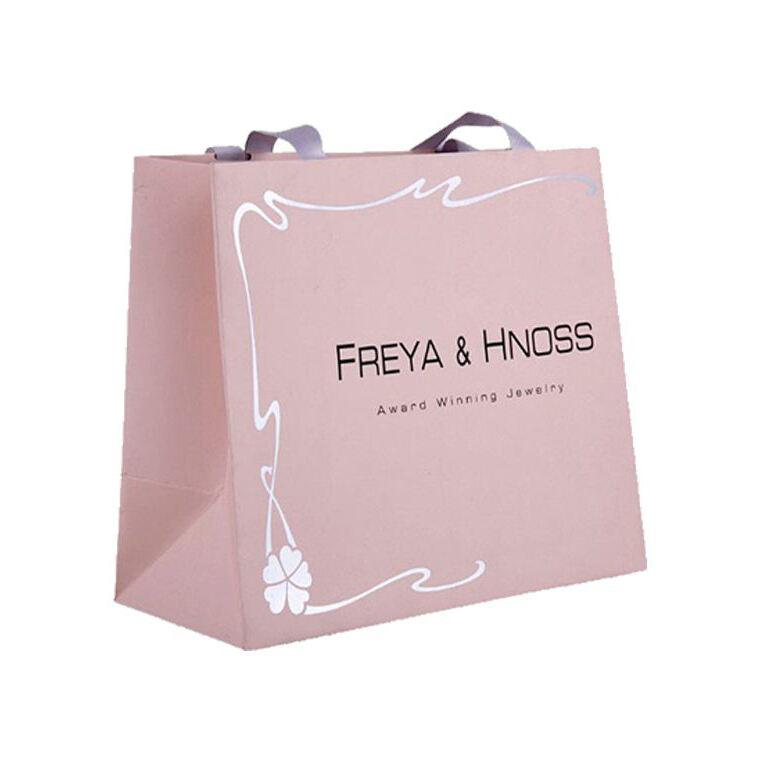
The presentation of jewelry extends far beyond the precious metals and gemstones themselves, encompassing every aspect of the customer experience from the moment they encounter your brand. Professional jewelry packaging boxes serve as the first physical touchpoint between your brand and customers, creating lasting impressions that influence purchasing decisions and brand loyalty. The design elements, materials, and craftsmanship of these packaging solutions directly impact how customers perceive the value and quality of the jewelry within. Understanding the critical role that thoughtful design plays in jewelry presentation helps businesses make informed decisions that enhance their brand positioning and customer satisfaction.
Visual Appeal and First Impressions
Color Psychology in Packaging Design
The color scheme of jewelry packaging boxes significantly influences customer emotions and purchasing behavior. Deep, rich colors like navy blue, burgundy, or forest green convey luxury and sophistication, while lighter tones such as ivory or champagne suggest elegance and refinement. Black packaging creates an aura of premium quality and timeless appeal, making it a popular choice for high-end jewelry brands. The psychological impact of color extends beyond mere aesthetics, as different hues can evoke specific emotions and associations that align with your brand identity and target market preferences.
Color consistency across all packaging elements reinforces brand recognition and creates a cohesive visual experience. When customers encounter your jewelry packaging boxes repeatedly, consistent color schemes help build brand familiarity and trust. The interplay between primary and accent colors can also highlight specific features or create visual hierarchy, drawing attention to important elements like brand logos or product information. Professional color selection considers factors such as target demographics, cultural preferences, and seasonal variations to maximize appeal and market effectiveness.
Typography and Brand Recognition
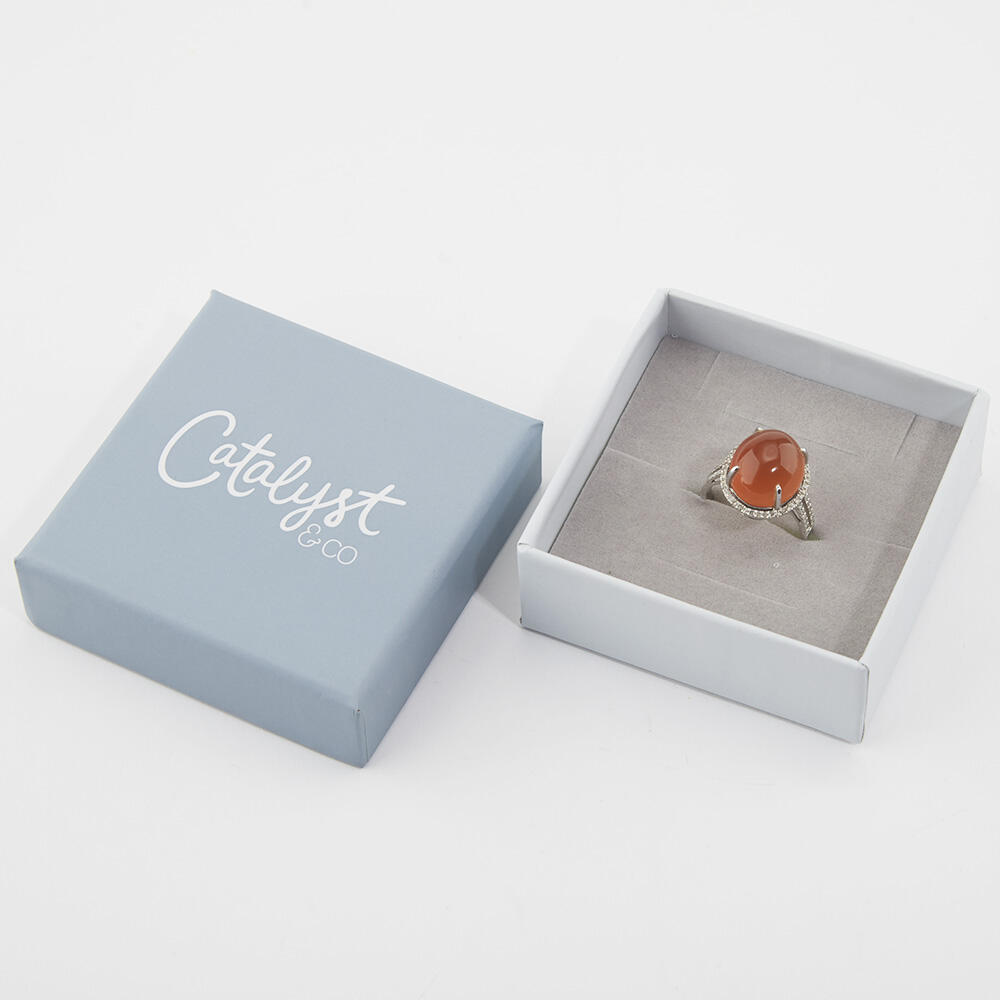
Typography choices in jewelry packaging design communicate brand personality and establish visual hierarchy. Serif fonts often convey tradition, elegance, and craftsmanship, making them suitable for heritage jewelry brands or classic collections. Sans-serif typefaces project modernity, simplicity, and contemporary appeal, aligning well with minimalist or trendy jewelry lines. The size, weight, and spacing of typography elements must balance readability with aesthetic appeal, ensuring that brand names, product information, and care instructions remain clear and accessible.
Custom typography or distinctive lettering can become signature elements that differentiate your brand from competitors. Embossed or foil-stamped text adds tactile dimension and perceived value, creating a premium unboxing experience that customers remember and appreciate. The placement of typographic elements should complement the overall design layout while maintaining proper emphasis on essential information like brand identity and product details.
Material Selection and Quality Perception
Premium Material Options
The choice of materials for jewelry packaging boxes directly correlates with perceived product value and brand positioning. High-quality cardboard with smooth finishes provides durability while allowing for various printing and finishing techniques. Rigid box construction offers superior protection and creates a substantial feel that suggests premium contents. Specialty papers with unique textures, patterns, or metallic accents can elevate the unboxing experience and create memorable tactile impressions that reinforce luxury positioning.
Sustainable material options increasingly appeal to environmentally conscious consumers while maintaining design integrity and protection standards. Recycled cardboard, FSC-certified papers, and biodegradable coatings allow brands to demonstrate environmental responsibility without compromising packaging quality. The selection of materials must balance aesthetic goals, functional requirements, cost considerations, and sustainability objectives to create packaging solutions that align with brand values and customer expectations.
Texture and Finishing Techniques
Surface textures and finishing techniques add depth and sophistication to jewelry packaging boxes while creating distinctive brand experiences. Soft-touch coatings provide velvety tactile sensations that suggest luxury and refinement. Spot UV applications can highlight specific design elements, creating contrast between matte and glossy surfaces that draws attention to important features. Embossing and debossing techniques add dimensional interest and premium feel, making packaging more engaging and memorable.
Metallic foils in gold, silver, or specialized colors create eye-catching accents that suggest precious metal content and luxury positioning. The application of multiple finishing techniques requires careful coordination to maintain design harmony while achieving desired visual and tactile effects. Professional finishing enhances the perceived value of both packaging and contents, justifying premium pricing and reinforcing brand positioning in competitive markets.
Functional Design Considerations
Protection and Security Features
Effective jewelry packaging boxes must balance aesthetic appeal with practical protection requirements. Interior cushioning systems, including foam inserts, fabric-lined compartments, and custom-fitted holders, prevent movement and damage during transportation and storage. The structural integrity of packaging materials must withstand handling, shipping, and storage conditions while maintaining visual appeal throughout the product lifecycle. Reinforced corners, secure closure mechanisms, and appropriate wall thickness provide necessary protection without excessive bulk or weight.
Security features such as tamper-evident seals, locking mechanisms, or discrete closing systems can enhance customer confidence in product integrity and authenticity. The visibility of these security elements should complement rather than detract from overall design aesthetics. Proper protection design extends product lifespan and reduces return rates while maintaining customer satisfaction with both packaging and jewelry quality.
Storage and Organization Solutions
Well-designed jewelry packaging boxes often serve dual purposes as both presentation and storage solutions, extending their utility beyond initial purchase. Compartmentalized designs with removable inserts allow customers to organize different jewelry pieces safely and accessibly. Stackable designs maximize storage efficiency while maintaining protection and easy access to individual items. The integration of storage functionality adds perceived value and encourages customers to retain packaging for long-term use.
Thoughtful organization features such as ring slots, necklace hooks, or earring holders demonstrate understanding of customer needs and enhance user experience. The durability of storage features must match the expected lifespan of jewelry pieces, ensuring that packaging continues to provide value throughout the ownership period. Effective storage design reduces jewelry tangling, scratching, and loss while maintaining organized presentation that reflects the care invested in both product and packaging.
Brand Communication Through Design
Logo Integration and Brand Visibility
Strategic logo placement on jewelry packaging boxes ensures optimal brand visibility while maintaining design balance and aesthetic appeal. The size, position, and treatment of brand logos must command appropriate attention without overwhelming other design elements. Multiple logo applications throughout packaging surfaces increase brand exposure and recognition opportunities, particularly important for gift purchases where recipients may not be familiar with the brand. Subtle logo integration through embossing, foil stamping, or tonal printing can maintain elegance while ensuring brand presence.
Logo visibility extends beyond external surfaces to interior elements, creating comprehensive brand experiences throughout the unboxing process. Interior logo placement reinforces brand identity during product use and storage, maintaining ongoing brand awareness and association. The consistency of logo application across different packaging sizes and styles strengthens brand recognition and professional appearance across product lines.
Storytelling Through Visual Elements
Effective jewelry packaging boxes serve as storytelling mediums that communicate brand heritage, values, and product narratives through visual design elements. Historical references, cultural motifs, or artistic patterns can convey brand stories and create emotional connections with customers. The integration of meaningful symbols, colors, or imagery helps differentiate products and create memorable associations that extend beyond functional packaging purposes.
Visual storytelling elements should align with target audience preferences and cultural contexts to maximize relevance and appeal. The balance between storytelling ambition and design clarity ensures that narrative elements enhance rather than complicate overall packaging effectiveness. Professional storytelling through packaging design creates opportunities for deeper customer engagement and brand loyalty development.
Market Differentiation Strategies
Competitive Advantage Through Unique Design
Distinctive jewelry packaging boxes create competitive advantages by establishing unique brand identities that stand out in crowded marketplaces. Custom shapes, innovative closure systems, or unexpected design elements can capture attention and create talking points that generate word-of-mouth marketing. The development of signature packaging styles that become associated with specific brands helps build recognition and preference among target customers. Unique design approaches must balance creativity with practical considerations such as manufacturing feasibility, shipping efficiency, and cost effectiveness.
Innovation in packaging design can open new market opportunities and attract customers seeking distinctive presentation options. Limited edition or seasonal packaging variations create excitement and urgency while demonstrating brand creativity and market awareness. The protection of unique design elements through appropriate intellectual property measures ensures long-term competitive advantages and prevents unauthorized copying by competitors.
Target Audience Alignment
Successful jewelry packaging boxes reflect deep understanding of target customer preferences, lifestyle characteristics, and purchasing motivations. Age demographics influence color preferences, design complexity, and functionality priorities, requiring customized approaches for different market segments. Cultural considerations affect symbolism, color meanings, and aesthetic preferences that must be incorporated into design decisions for global or multicultural markets. Income levels and value perceptions influence material choices, finishing techniques, and overall packaging sophistication expectations.
Gender-specific design approaches, while avoiding stereotypes, can enhance appeal and relevance for targeted customer groups. Contemporary trends toward gender-neutral design options reflect evolving market preferences and broader customer appeal. The alignment of packaging design with target audience characteristics increases conversion rates, customer satisfaction, and brand loyalty while optimizing marketing effectiveness and return on investment.
Cost Effectiveness and ROI Considerations
Budget Optimization Strategies
Strategic approaches to jewelry packaging boxes design can achieve premium appearance and functionality within budget constraints through careful material selection and process optimization. Standard sizes and shapes reduce tooling costs while allowing customization through printing, finishing, and interior design elements. Volume considerations and order quantities significantly impact per-unit costs, making careful demand forecasting essential for cost optimization. The balance between quality, appearance, and cost requires thorough understanding of customer value perceptions and competitive positioning requirements.
Alternative material options and simplified construction techniques can reduce costs while maintaining acceptable quality and appearance standards. The strategic use of high-impact design elements in combination with cost-effective base materials creates perceived value that exceeds actual production costs. Collaborative relationships with packaging suppliers can identify cost-saving opportunities while maintaining design integrity and quality standards.
Long-term Value Creation
Investment in quality jewelry packaging boxes design generates long-term returns through increased customer satisfaction, brand recognition, and repeat purchases. Premium packaging justifies higher product pricing while reducing price sensitivity among quality-conscious customers. The reusability of well-designed packaging extends brand exposure and creates ongoing marketing value that exceeds initial packaging costs. Customer retention improvements and referral generation from impressive packaging experiences provide measurable returns on packaging investments.
Brand building through consistent, high-quality packaging design creates intangible assets that appreciate over time and contribute to overall business valuation. The cumulative effect of professional packaging across multiple customer touchpoints strengthens brand equity and market position. Long-term value creation requires patience and consistent investment but provides sustainable competitive advantages and improved profitability over time.
FAQ
What materials work best for luxury jewelry packaging boxes
Luxury jewelry packaging boxes typically utilize high-grade rigid cardboard with premium paper coverings, often featuring special finishes like soft-touch coatings or metallic foils. Velvet or silk interior linings provide protection and enhance the unboxing experience. Sustainable options include FSC-certified papers and recyclable materials that maintain luxury appearance while meeting environmental standards.
How does packaging design affect jewelry sales performance
Professional packaging design significantly impacts sales by creating positive first impressions, justifying premium pricing, and encouraging gift purchases. Well-designed packaging can increase perceived product value by up to 30% and improve customer retention rates. The investment in quality packaging design typically generates returns through higher conversion rates and reduced price sensitivity among target customers.
What size considerations are important for jewelry packaging boxes
Jewelry packaging boxes should provide adequate protection without excessive bulk, considering shipping costs and storage efficiency. Standard sizing options reduce production costs while custom dimensions ensure optimal fit and presentation. Interior space must accommodate jewelry pieces comfortably while preventing movement, with consideration for different jewelry types and sizes within product lines.
How can small jewelry businesses compete with packaging design on limited budgets
Small jewelry businesses can achieve professional results through strategic design choices, focusing on one or two high-impact elements rather than comprehensive customization. Standard box sizes with custom printing, simple but elegant finishing techniques, and creative interior design solutions provide cost-effective differentiation. Partnerships with packaging suppliers and volume purchasing with other small businesses can reduce per-unit costs while maintaining quality standards.

