 EN
EN

Finding the right drawer box is not simply about picking a container that looks attractive on the shelf. For brands in cosmetics, perfume, or premium gifting, the drawer box must deliver a specific tactile experience — one where the inner tray glides out with measured, controlled tension. Too loose, and the box feels cheap. Too tight, and the user experience becomes frustrating. Getting that balance right begins long before production, at the sourcing stage itself.
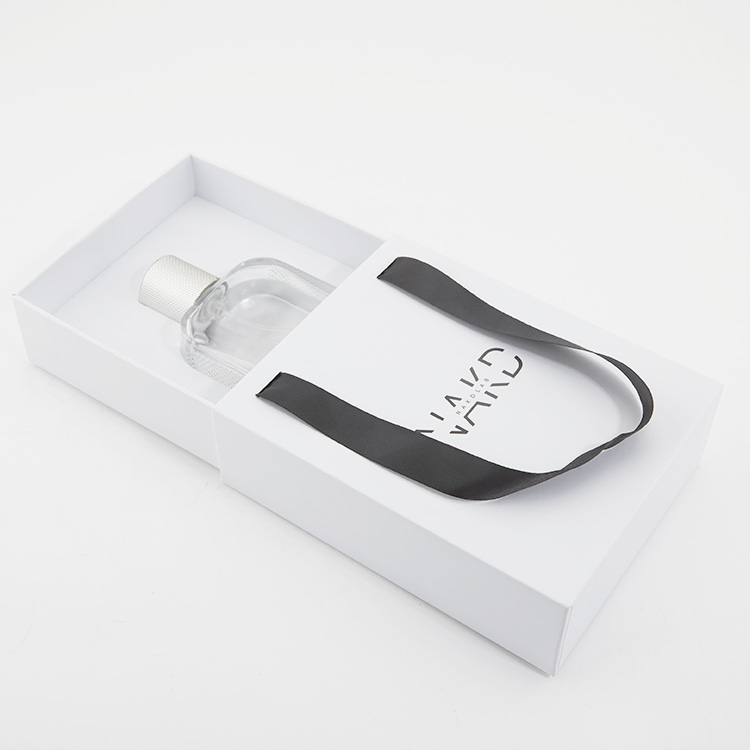
Every drawer box project involves a chain of decisions: which materials to specify, what structural tolerances to demand, how to evaluate a supplier's capability, and how to confirm quality before committing to a full production run. This guide walks through the core factors you need to address when sourcing a drawer box built for both durability and a perfectly calibrated sliding feel.
Material and Structure of a Quality Drawer Box
Choosing the Right Board for Your Drawer Box
The foundation of any well-performing drawer box is the paperboard or rigid board used in its construction. A drawer box made from low-weight or inconsistent board will warp under humidity, collapse under stacking pressure, and lose its structural integrity within weeks of use. For most premium applications, a drawer box should be constructed from greyboard, chipboard, or a laminated duplex board with a minimum caliper suited to the box dimensions. Heavier products such as perfume bottles demand a thicker core to prevent the drawer box from bowing when the inner tray bears weight.
The outer wrap of the drawer box matters equally. A matte laminated art paper wrap not only gives the drawer box a premium visual appearance but also adds surface resistance against scuffs and fingerprints. Some sourcing buyers overlook the wrap specification and focus only on the board, but both layers define how the finished drawer box performs in the field. When requesting samples, always specify both the board weight and the wrap finish so you can evaluate the complete drawer box construction.
Structural Tolerances That Govern Sliding Tension
The sliding tension of a drawer box is determined primarily by the gap tolerance between the inner tray and the outer sleeve. A well-manufactured drawer box maintains a gap of roughly 0.3 to 0.5 millimeters on each side, which creates the smooth, controlled resistance that premium brands rely on. If a drawer box supplier cannot hold this tolerance consistently across a production batch, buyers will find significant variation in feel from unit to unit. This inconsistency is one of the most common complaints in drawer box sourcing and is usually traceable to poor die-cutting precision or inadequate quality control during gluing.
When evaluating any drawer box supplier, ask directly about their die-cutting equipment and their tolerance control process. A capable drawer box manufacturer will be able to share batch inspection records or demonstrate tolerance checks during a factory visit or video audit. Suppliers who cannot clearly explain how they control drawer box tolerances are unlikely to deliver consistent results at scale.
Evaluating Drawer Box Suppliers Effectively
Sampling as a Sourcing Tool
Before committing volume to any drawer box source, request a pre-production sample that reflects your exact specifications. A generic drawer box sample from a supplier's catalog tells you relatively little about how your specific drawer box will perform. The sample should be made with your chosen board weight, your selected outer material, and your specified dimensions. Only then can you judge whether the drawer box sliding tension meets your standard and whether the structural rigidity is appropriate for your product weight.
When you receive a drawer box sample, test it repeatedly. Open and close the drawer box at least thirty to forty times and check whether the tension remains consistent or loosens over repeated use. A high-quality drawer box will maintain its sliding resistance across many cycles. If the drawer box tray begins to loosen after only a few openings, the gluing or material calibration is insufficient and must be corrected before production begins.
Supplier Verification for Drawer Box Production
A reliable drawer box supplier should be able to demonstrate experience with premium packaging, evidence of quality management systems, and capacity to manage color accuracy across print runs. For a drawer box used in luxury cosmetics or perfume, color consistency between the sample and the bulk production run is critical. Request printed color proofs and compare them against your brand standards before approving the drawer box for production. Suppliers with in-house printing and lamination lines typically offer better drawer box consistency than those who outsource key production steps.
Beyond quality systems, consider the supplier's communication responsiveness and willingness to share production details. A supplier who proactively shares drawer box production timelines, inspection checkpoints, and packing methods is more likely to deliver a drawer box order that meets expectations. Transparency at the sourcing stage is a reliable predictor of reliability during production.
Sustainability and Customization in Drawer Box Sourcing
Eco-Friendly Drawer Box Options
Sustainability has become a genuine procurement criterion for many brands sourcing a drawer box today. Eco-friendly drawer box options typically use FSC-certified boards, water-based inks, and recyclable lamination finishes. A matte finish drawer box produced with these materials can still achieve a luxury appearance while meeting environmental standards required by retail buyers or brand sustainability policies. When discussing drawer box specifications with suppliers, ask explicitly whether their materials carry recognized certifications and whether the drawer box construction avoids plastic-based laminates that cannot be recycled.
Custom Printing and Finish Options for Your Drawer Box
A drawer box serves as a direct brand touchpoint, so custom printing quality directly affects perceived product value. High-resolution offset printing on the outer sleeve of a drawer box allows for precise color reproduction, fine typographic detail, and consistent branding across large volumes. Finish options such as spot UV coating, embossing, or foil stamping can further elevate the drawer box beyond a plain packaging solution. When specifying these finishes, always confirm with your drawer box supplier that the structural tolerances will be maintained after the finishing process, since some surface treatments add micro-thickness that can affect the drawer box sliding tension if not accounted for in the dieline.
FAQ
What causes uneven sliding tension in a drawer box?
Uneven sliding tension in a drawer box is most commonly caused by inconsistent die-cutting tolerances, variation in board caliper across a production batch, or improper gluing that distorts the inner tray dimensions. Specifying tight tolerances and requesting batch inspection records from your drawer box supplier can significantly reduce this issue.
How do I confirm a drawer box supplier can handle luxury packaging requirements?
Ask the supplier for references or photos of previous drawer box projects in comparable luxury categories such as cosmetics, perfume, or premium gifts. Evaluate their printed samples for color accuracy, surface finish quality, and structural rigidity. A supplier experienced in luxury drawer box production will also be familiar with premium finish options and able to advise on material combinations.
Can eco-friendly materials still produce a premium-feel drawer box?
Yes. A drawer box made from FSC-certified board with a matte water-based lamination finish can achieve the same visual and tactile premium quality as a drawer box made from conventional materials. The key is selecting the right board weight and ensuring that the eco-friendly outer wrap is calendered smoothly enough to accept high-resolution printing and fine finishing techniques without surface inconsistency.

